 In Stock
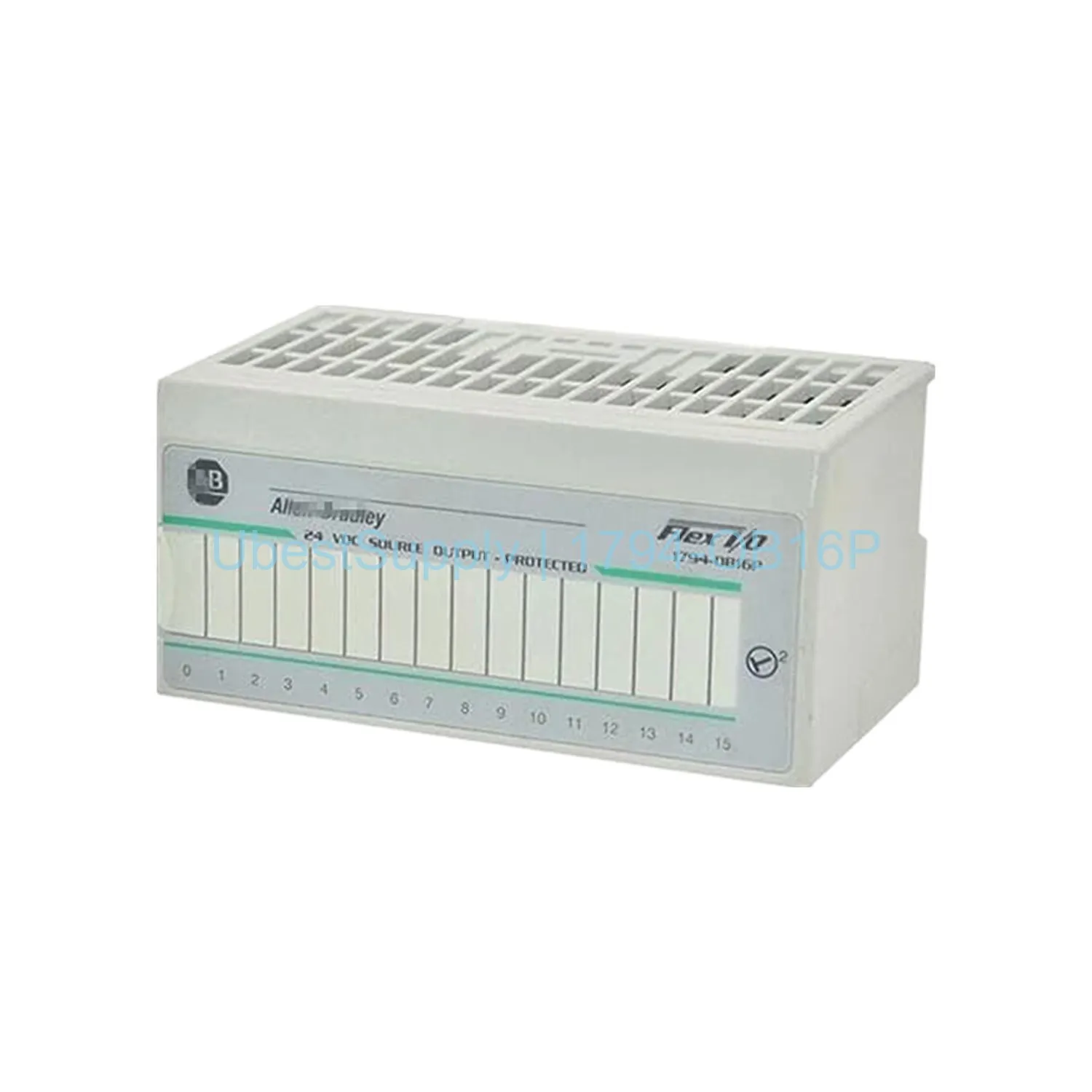
 Allen-Bradley 1794-OB16P Flex I/O Discrete Output Module
1794-OB16P
The 1794-OB16P is a 16-channel sourcing output module for Flex I/O, featuring...

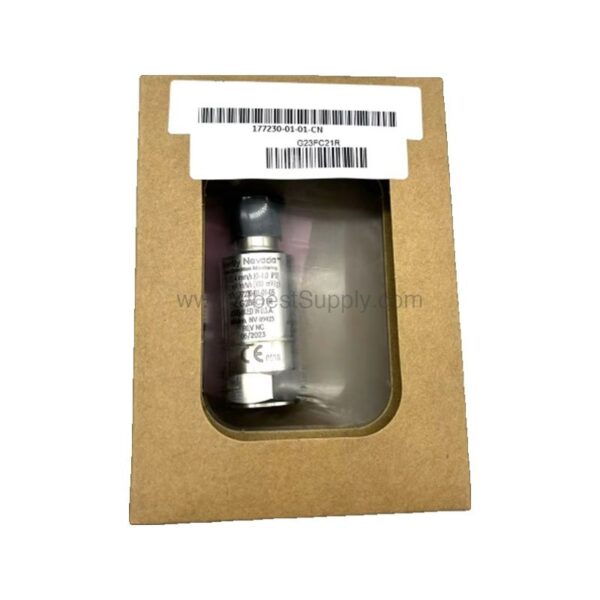
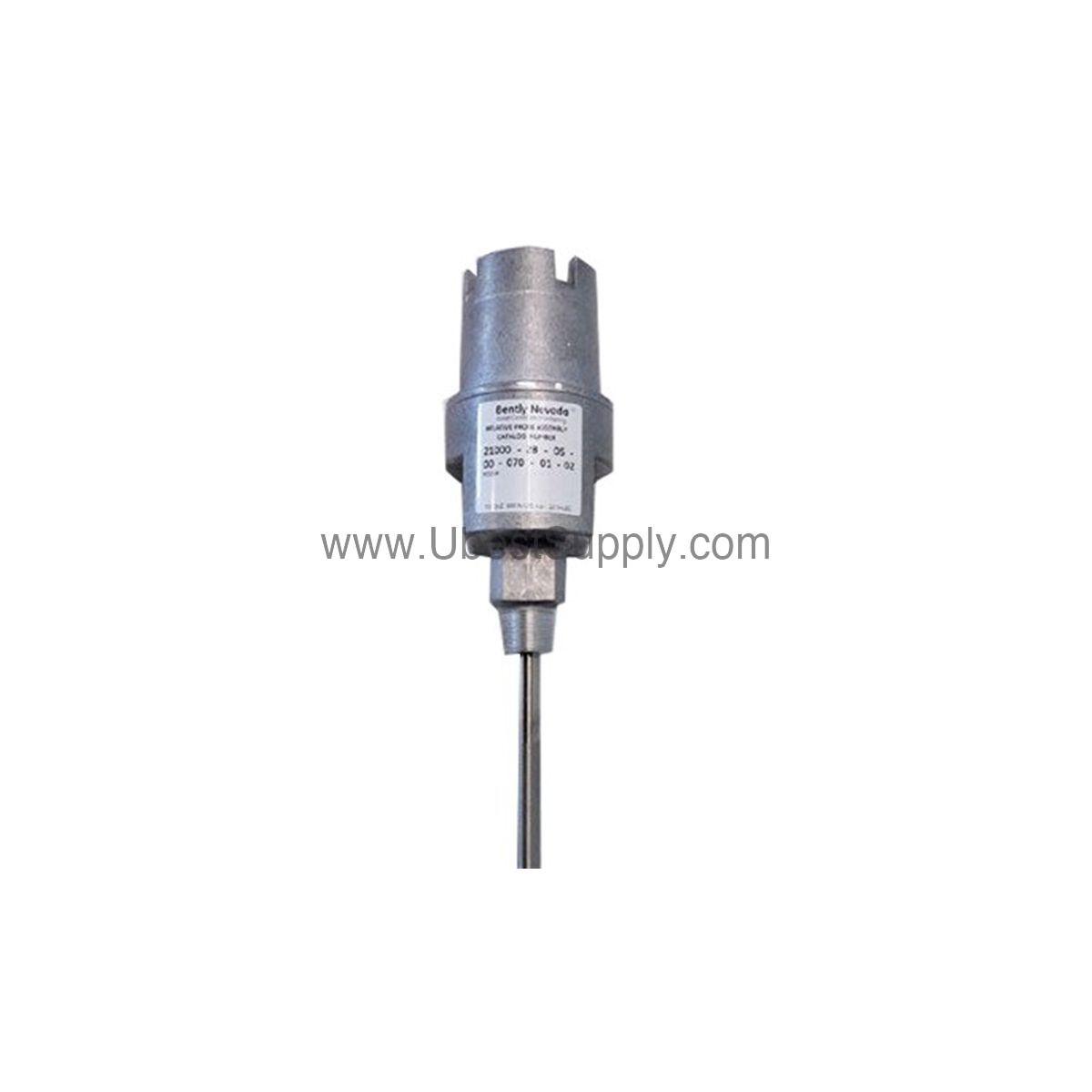
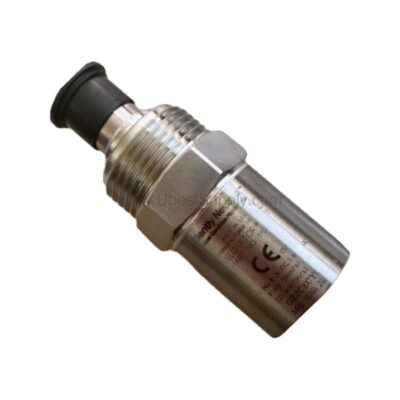
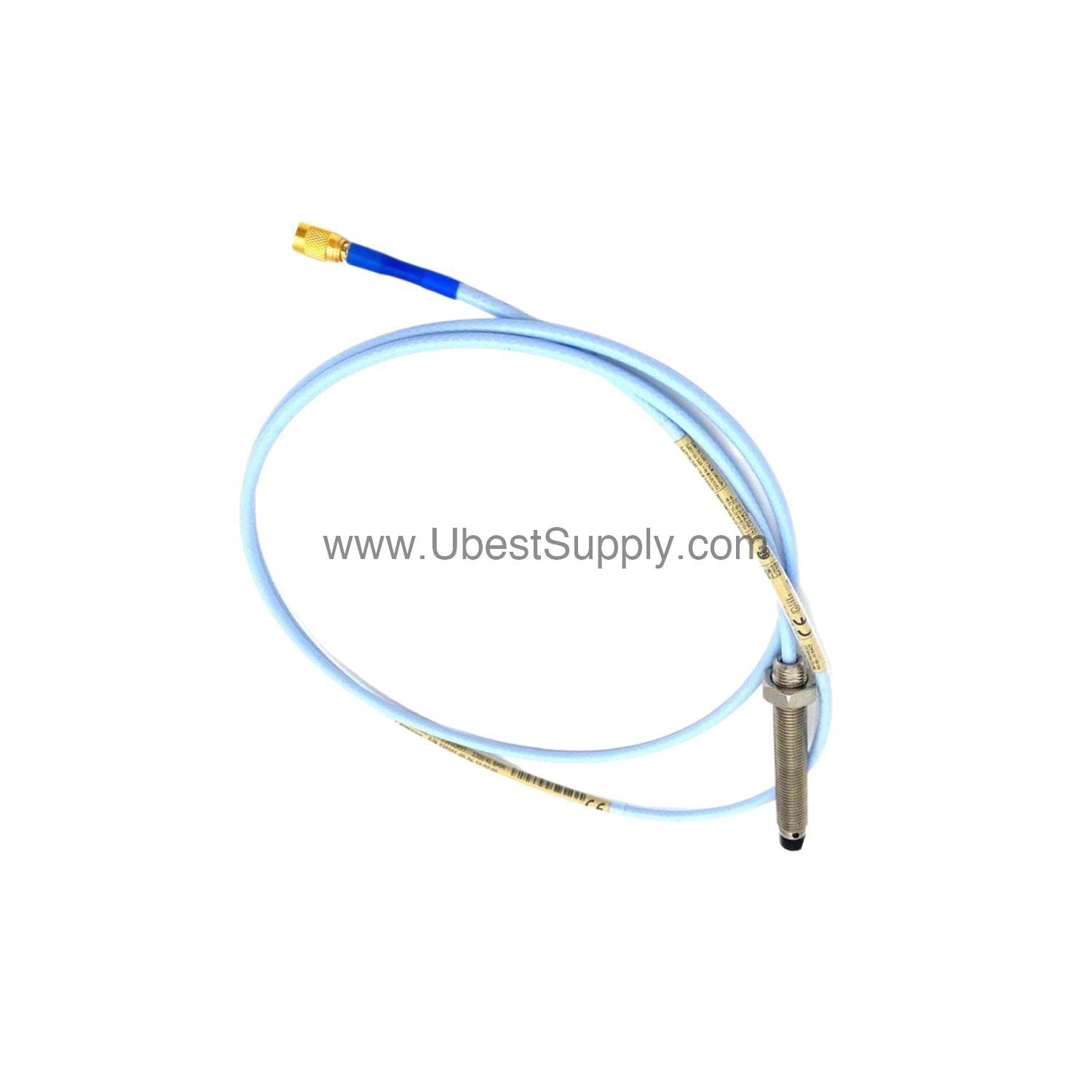
When machine vibration threatens uptime, the 177230-00-02-05 provides a reliable measurement solution. This Bently Nevada seismic transmitter converts vibration into a standard 4-20 mA signal. It is designed for integration with PLCs, DCS, and SCADA systems. The transmitter is manufactured in the U.S.A. and offers a measurement range of 0 to 12.7 mm/s (0 to 0.5 in/s) peak.
This device is engineered for continuous monitoring in demanding industrial environments. Its robust construction ensures long-term performance. The 177230-00-02-05 is a key component for predictive maintenance programs. It helps detect machinery faults before they cause costly downtime.
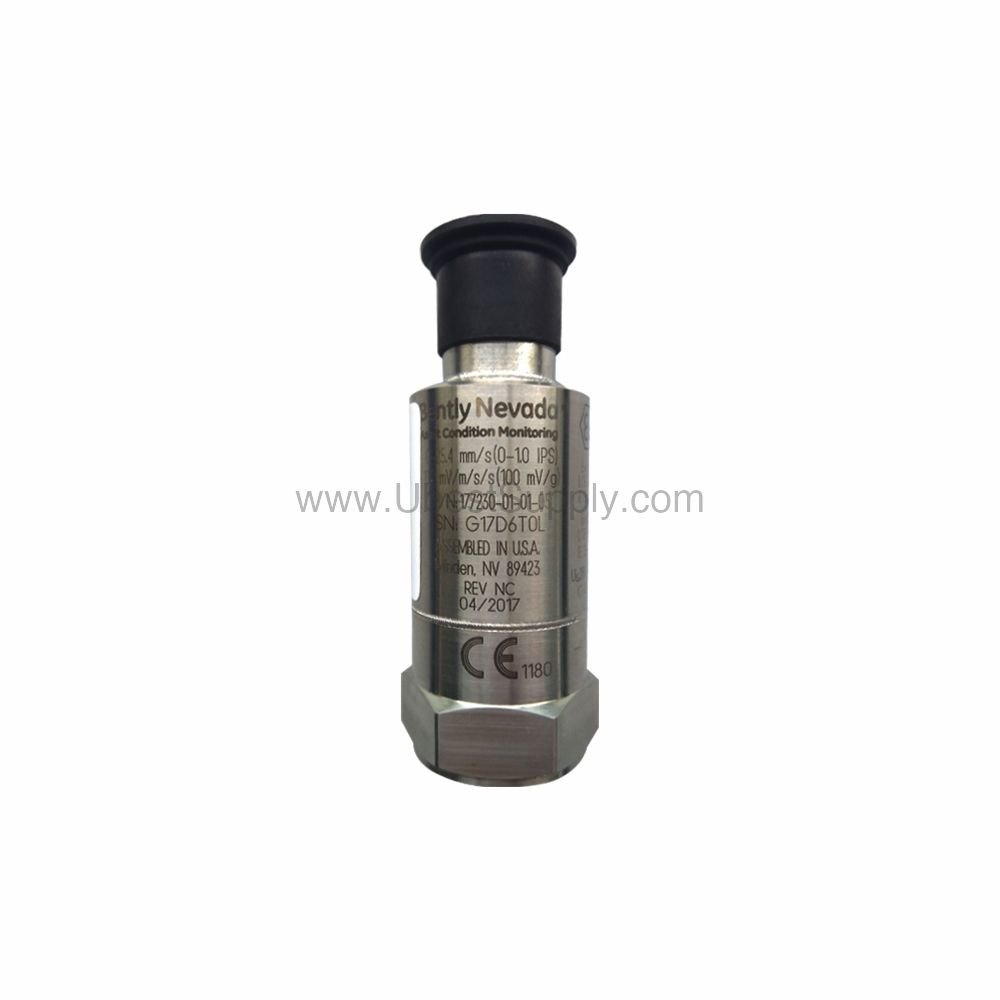
The 177230-00-02-05 is built with precision and durability in mind. Below are the core specifications from the manufacturer's datasheet:
Notably, the transmitter is hermetically sealed and can operate in relative humidity up to 100% non-submerged. This makes it suitable for harsh environments. The ceramic/shear sensing element ensures stable and accurate readings.
The 177230-00-02-05 is ideal for vibration monitoring on pumps, fans, motors, and other rotating equipment. It provides a continuous 4-20 mA signal that can be fed directly into existing control systems. This enables real-time condition monitoring and alarm management. By integrating this transmitter, facilities can implement predictive maintenance strategies. Consequently, they reduce unplanned downtime and extend equipment life.
In a typical scenario, the transmitter is mounted on a bearing housing. It measures casing vibration and sends data to a PLC or DCS. The control system can then trigger alerts when vibration levels exceed setpoints. This proactive approach helps prevent catastrophic failures.
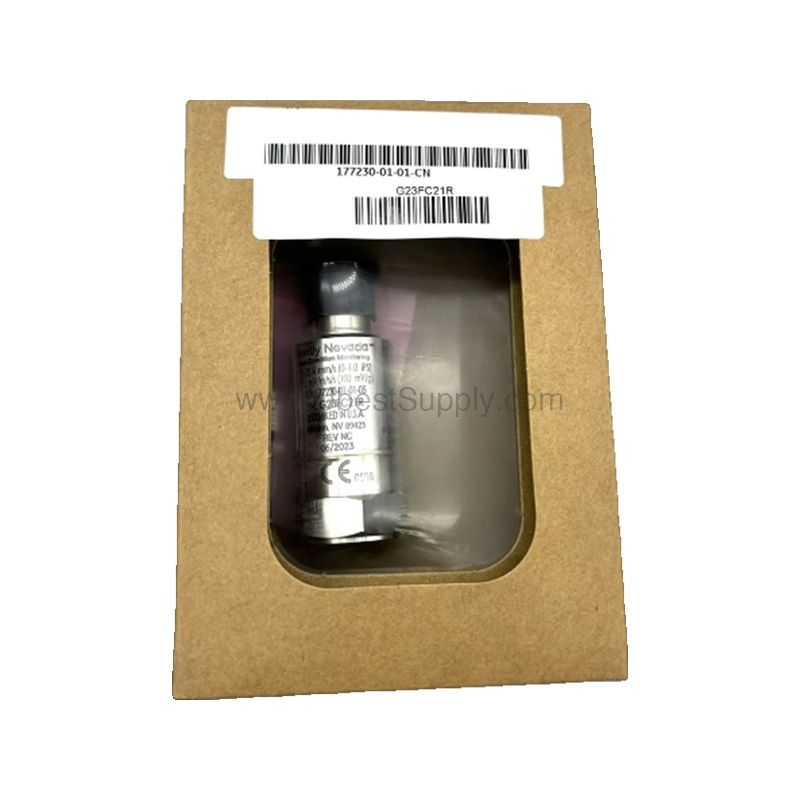
Proper installation is crucial for accurate vibration measurement. The 177230-00-02-05 features a 1/4-28 UNF mounting hole. It also supports M6 x 1 SI and M8 x 1.25 SI mounting threads. Recommended mounting torque is 4 to 7 N-m (35.4 to 62.0 in-lbf). Ensure the mounting surface is clean and flat. Use a stud or adhesive mount as appropriate. After mounting, connect the wiring according to the connector convention: Pin A for 4-20 mA positive loop, Pin B for loop return, and Pin C for dynamic acceleration signal. Verify the power supply is within 12 to 30 Vdc and current-limited to 40 mA. Finally, check the output signal at zero vibration (should be 4 ± 0.3 mA).
Routine maintenance is minimal but essential. Inspect the transmitter periodically for physical damage or corrosion. Check the connector and cable for wear. Ensure the mounting remains tight. Because the unit is hermetically sealed, internal components are protected from moisture. This enhances long-term reliability. Regular verification of the output signal against a known vibration source is recommended. If readings drift, consult the manufacturer's manual. Following these practices maximizes the service life of the 177230-00-02-05.
The 4-20 mA output makes the 177230-00-02-05 universally compatible with most industrial control systems. It works directly with PLCs, DCS, and SCADA systems that have internal power supplies typically current-limited to 30-35 mA. No special interface is required. The dynamic acceleration signal on Pin C can be used for additional diagnostics. This flexibility simplifies integration into existing monitoring networks.
If the output signal is missing or erratic, first check the power supply. Ensure the voltage is between 12 and 30 Vdc. Verify the current is limited to 40 mA. Next, inspect the wiring connections. Confirm Pin A and Pin B are correctly connected. If the signal is offset, check for mounting issues or loose connections. A slow settling time may indicate a faulty sensor. In such cases, contact Petro Auto Tech for replacement options. Always refer to the official Bently Nevada documentation for detailed troubleshooting.
A: The measurement range is 0 to 12.7 mm/s (0 to 0.5 in/s) peak.
A: It provides a 4-20 mA current loop signal from Pin A to Pin B.
A: The operating temperature range is -40°C to +85°C (-40°F to +185°F).
A: Yes, it is designed for use with PLCs, DCS, and SCADA systems.
A: The mounting hole is 1/4-28 UNF, and it also supports M6 x 1 SI and M8 x 1.25 SI threads.
The Bently Nevada 177230-00-02-05 is available from Petro Auto Tech. We are a trusted supplier of industrial automation parts. Contact us for pricing and delivery information. Our team can assist with product selection and technical support.
| Part Number | 177230-00-02-05 |
| Condition | In Stock |
| Stock Status | In Stock (Ready to Ship) |
| Weight | 0.5 kg |
| Warranty | 12 Month |
Shipping Port: Xiamen
We ship worldwide via DHL, FedEx, UPS, TNT, and EMS. In-stock items are dispatched within 24 hours of payment confirmation. Tracking number will be provided after shipment.
Secure payment processing. Contact us for corporate account and bulk order pricing.
All products come with a 1-year warranty against manufacturing defects. We guarantee 100% new and original products sourced directly from authorized manufacturers.
In Stock  In Stock
  In Stock
  In Stock
  In Stock
  In Stock
  In Stock
  In Stock
 Stay informed with the latest industry insights, product announcements, and technical articles.