 In Stock
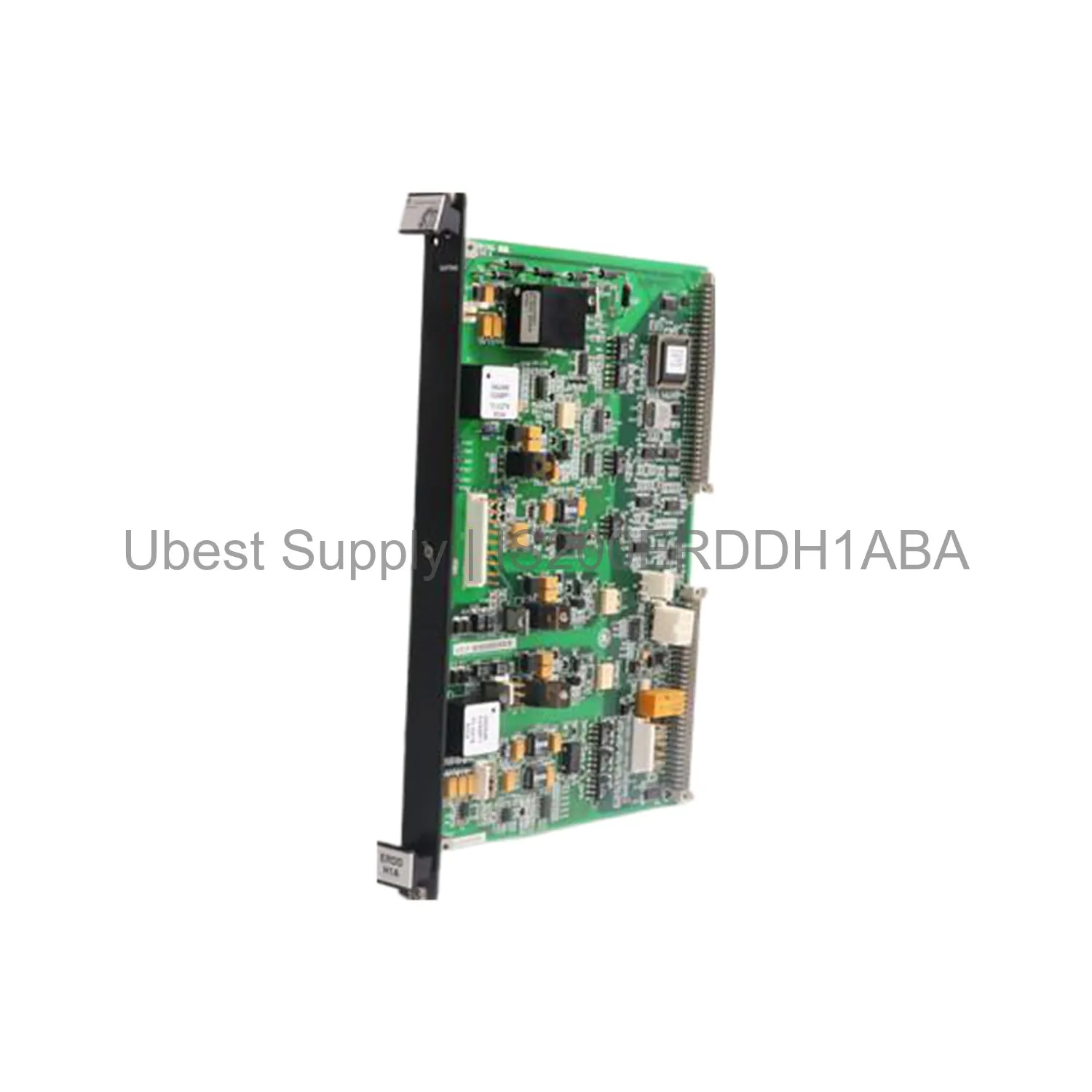
 GE IS200ERDDH1ABA Exciter Regulator Dynamics Discharge Board
IS200ERDDH1ABA
The IS200ERDDH1A is an Exciter Regulator Dynamics Discharge Board for the GE...

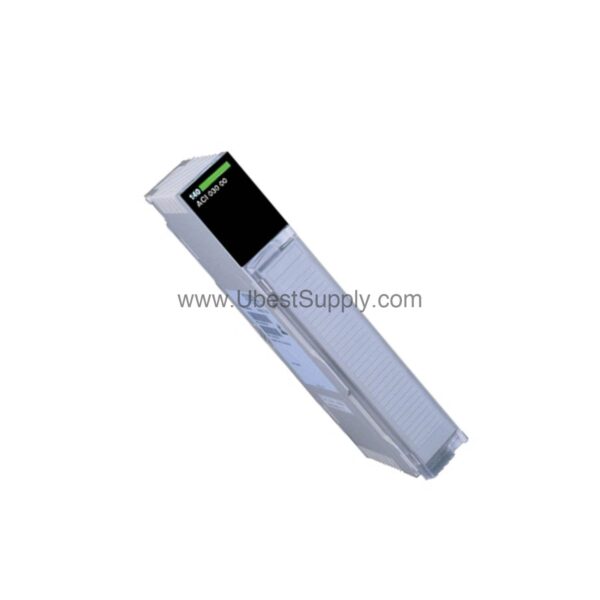
When a control system demands exact analog measurements, the 140AII33000C from Schneider Electric provides a reliable solution. This input module, part of the Modicon Quantum series, is engineered for precise data acquisition in demanding industrial environments. With a measurement current of 0.5 mA, it captures subtle signal variations that standard modules might miss.
The module's high input impedance of greater than 10 mOhm ensures minimal loading on the source, preserving signal integrity. This feature is critical for applications where sensor output is weak or susceptible to interference.
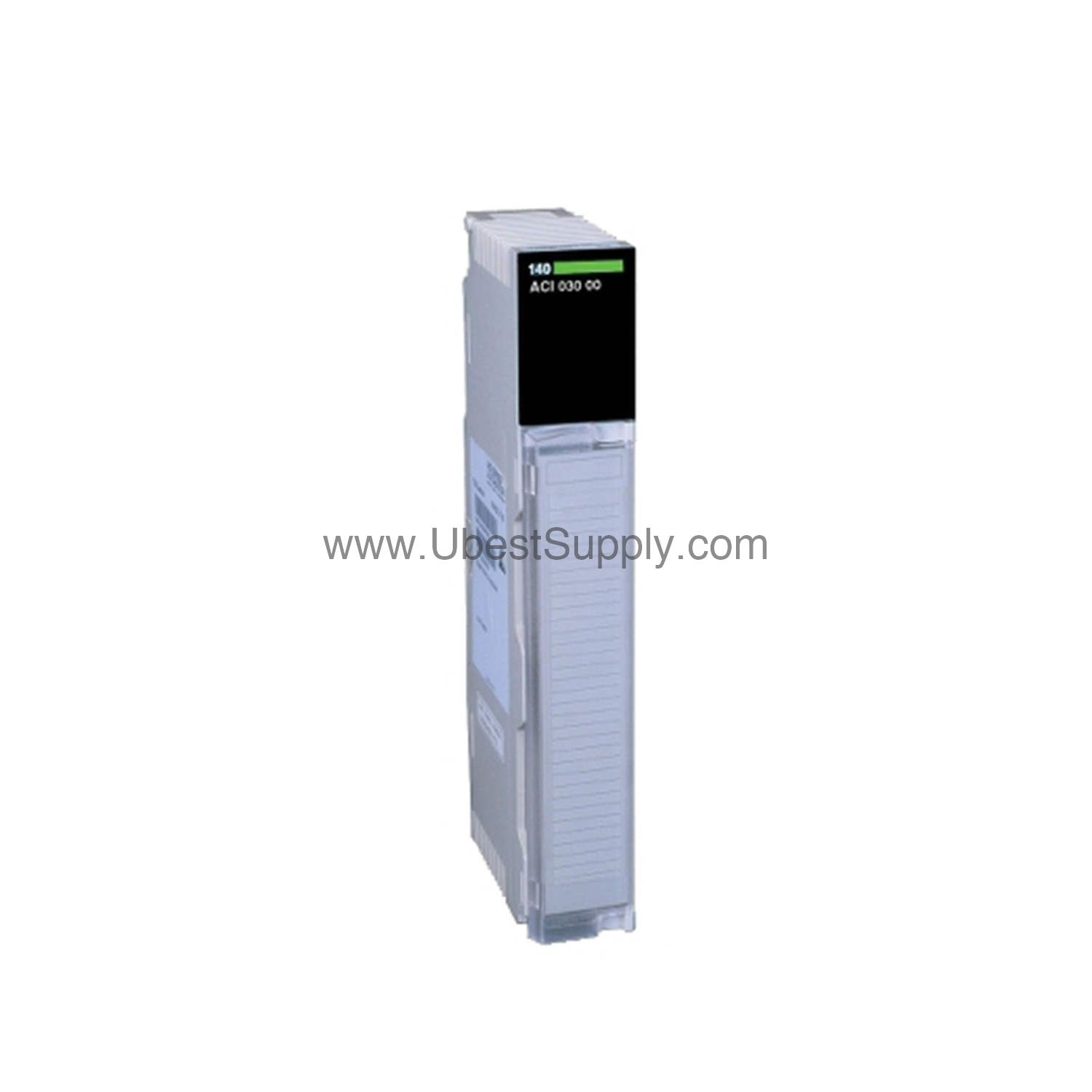
The 140AII33000C offers a suite of specifications that enhance measurement accuracy and system reliability:
One standout feature is the 0.76 µV resolution, which allows the module to detect minute changes in input signals. This capability is invaluable in precision measurement applications, such as process control and quality monitoring.
The 140AII33000C is well-suited for industries that rely on accurate analog input, including manufacturing, energy, and water treatment. In a typical scenario, the module interfaces with sensors that measure temperature, pressure, or flow, converting analog signals into digital data for the PLC. Its high impedance reduces signal distortion, ensuring that the controller receives clean data for decision-making.
Moreover, the internal fuse protects against overcurrent events, reducing downtime caused by module failure. This reliability makes it a preferred choice for continuous process operations where unplanned stops are costly.
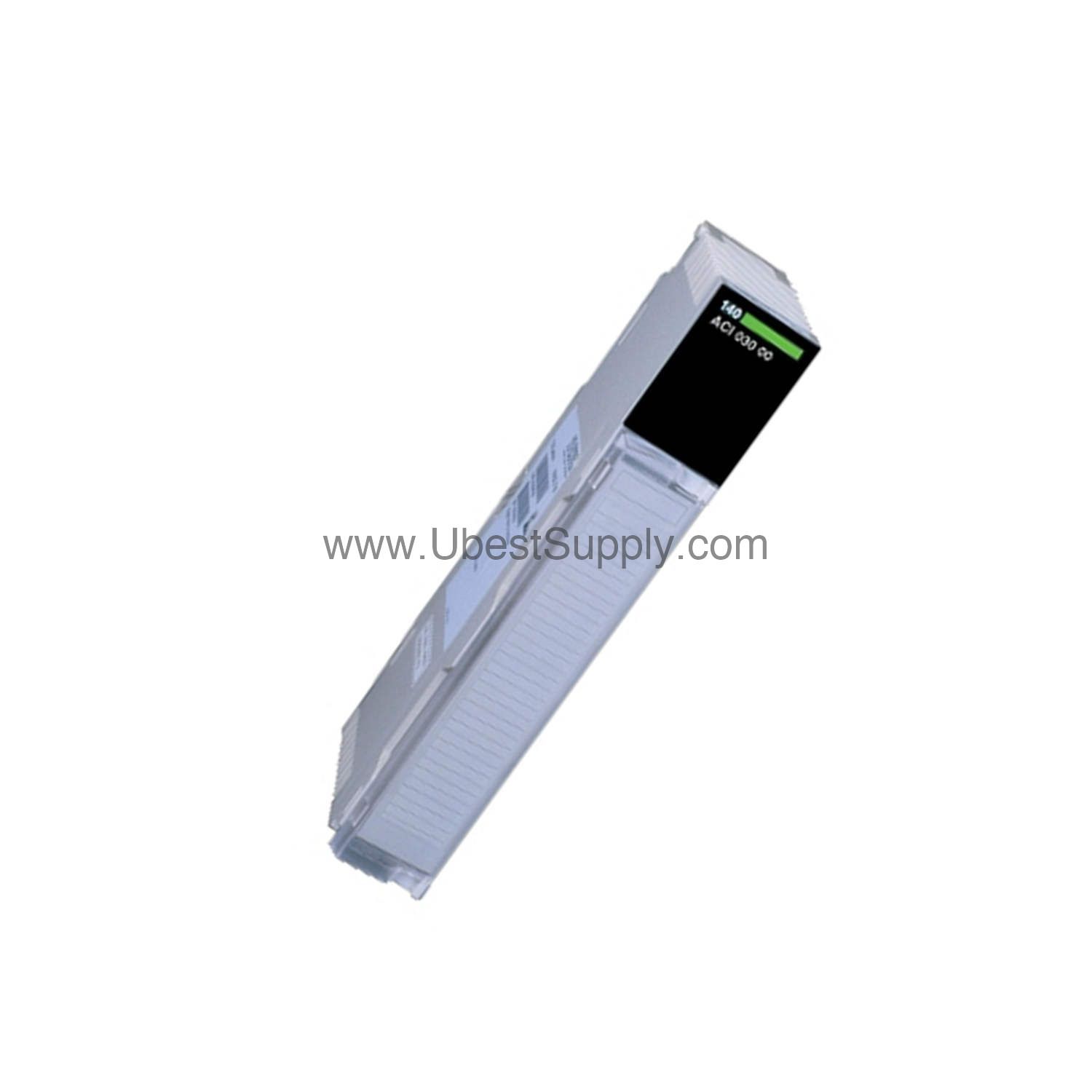
Installing the 140AII33000C is straightforward, thanks to its Quantum series design. The module fits into any standard Quantum I/O rack, and the bus current requirement of 400 mA ensures compatibility with typical power supplies. Before mounting, verify that the rack is powered down to avoid electrical hazards.
Connect the input wiring to the module's terminals, ensuring that the source resistance remains below 200 Ohm to maintain accuracy. After installation, configure the module's addressing and scaling parameters in the PLC program, following the manufacturer's guidelines.
Regular inspection of the 140AII33000C is recommended to ensure long-term performance. Check the internal fuse status periodically, as a blown fuse indicates an overload condition that may need attention. Keep the module free from dust and moisture, and operate within the specified altitude limit of 1000 meters to avoid derating.
The module's 4 kV electrostatic discharge resistance adds robustness, but proper grounding of the rack and cabling is still essential to prevent damage. By following these simple practices, you can maximize the module's service life and minimize unexpected failures.
As part of the Modicon Quantum family, the 140AII33000C integrates seamlessly with Quantum PLCs and I/O systems. It communicates over the Quantum backplane, requiring a bus current of 400 mA, which is standard for most configurations. No special adapters are needed for installation in a Quantum rack.
For system expansion, the module can be combined with other Quantum I/O modules to create a comprehensive control solution. Its low power dissipation of 2W helps maintain thermal stability within the enclosure.
If the module fails to read signals correctly, first verify that the input wiring is secure and that the source resistance is within the specified limit. A high source resistance can degrade accuracy, so check for loose connections or damaged cables.
If the internal fuse blows, inspect the connected field devices for short circuits or overcurrent conditions. Replace the fuse only with the correct rating as specified in the manual. For persistent issues, consult the official Schneider documentation or contact Petro Auto Tech for technical support.
A: The measurement current is 0.5 mA, allowing precise signal acquisition.
A: The input impedance is greater than 10 mOhm, ensuring high sensitivity.
A: Yes, it includes an internal fuse for overload protection.
A: The module dissipates 2W, minimizing energy usage.
A: It operates up to 1000 meters above sea level.
The 140AII33000C is available from Petro Auto Tech, an industrial automation parts supplier. In stock and ready to ship, this module can be ordered with confidence. For lifecycle status or technical inquiries, contact Petro Auto Tech to ensure compatibility with your system.
| Part Number | 140AII33000C |
| Condition | In Stock |
| Stock Status | In Stock (Ready to Ship) |
| Weight | 0.5 kg |
| Warranty | 12 Month |
Shipping Port: Xiamen
We ship worldwide via DHL, FedEx, UPS, TNT, and EMS. In-stock items are dispatched within 24 hours of payment confirmation. Tracking number will be provided after shipment.
Secure payment processing. Contact us for corporate account and bulk order pricing.
All products come with a 1-year warranty against manufacturing defects. We guarantee 100% new and original products sourced directly from authorized manufacturers.
In Stock  In Stock
  In Stock
  In Stock
  In Stock
  In Stock
  In Stock
  In Stock
 Stay informed with the latest industry insights, product announcements, and technical articles.