 In Stock
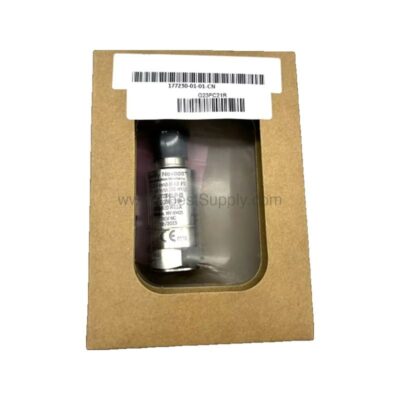
 177230-02-01-05 | Bently Nevada Seismic Transmitter
177230-02-01-05
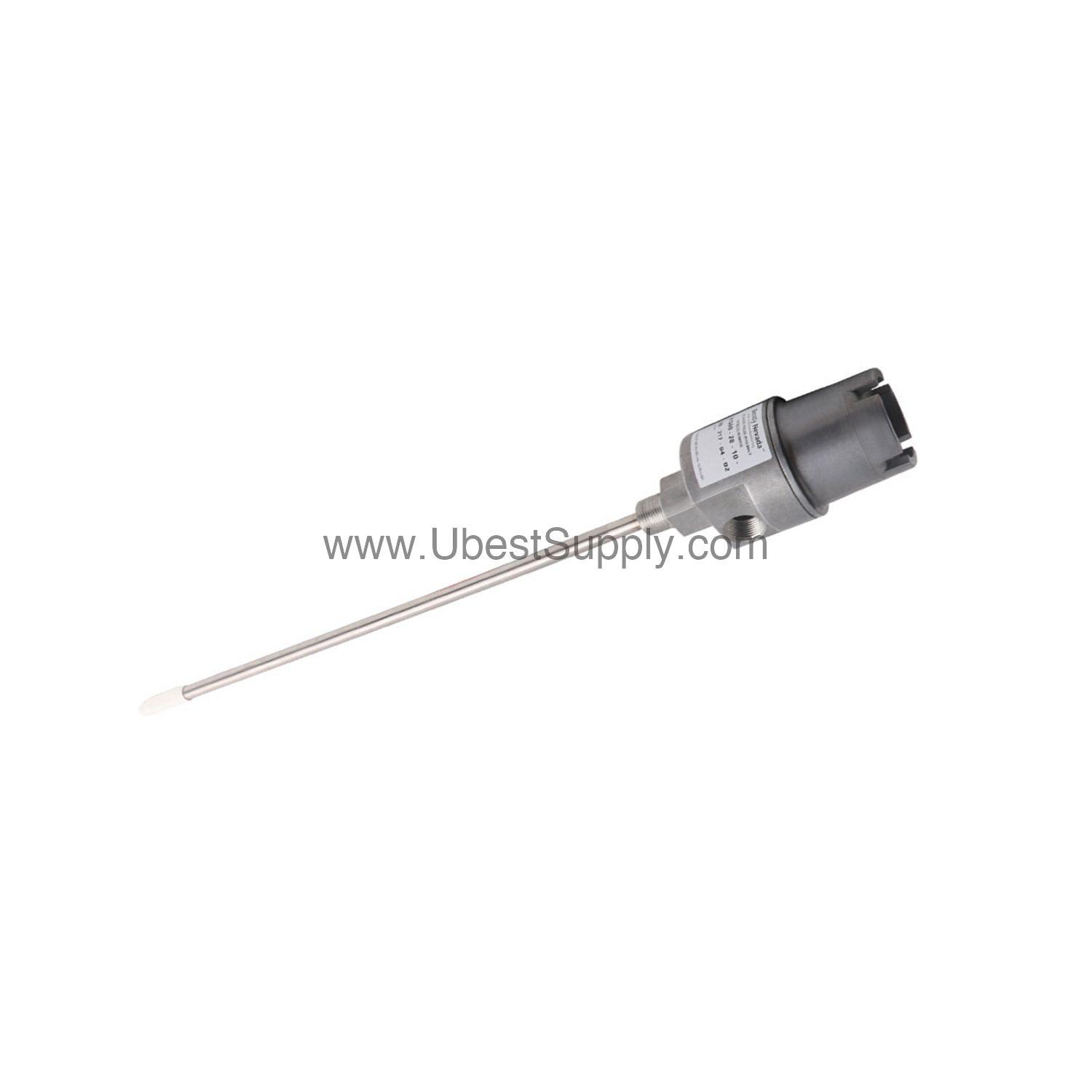
The Bently Nevada 177230-02-01-05 seismic transmitter delivers a 4-20 mA loop output...

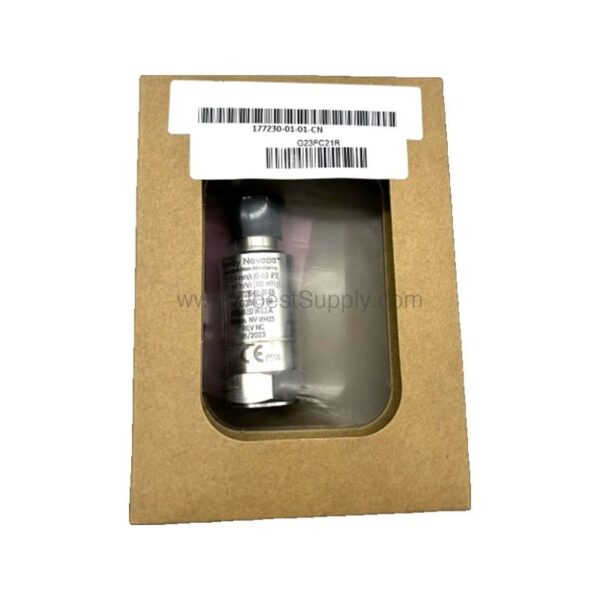
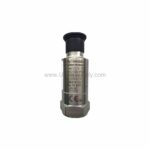
When machinery vibration threatens uptime, the 177230-01-02-05 from Bently Nevada provides a dependable solution. This seismic transmitter converts vibration levels into a standard 4-20 mA signal, enabling seamless integration with PLCs, DCS, and SCADA systems. Built for continuous operation in harsh environments, it helps you monitor rotating equipment with confidence.
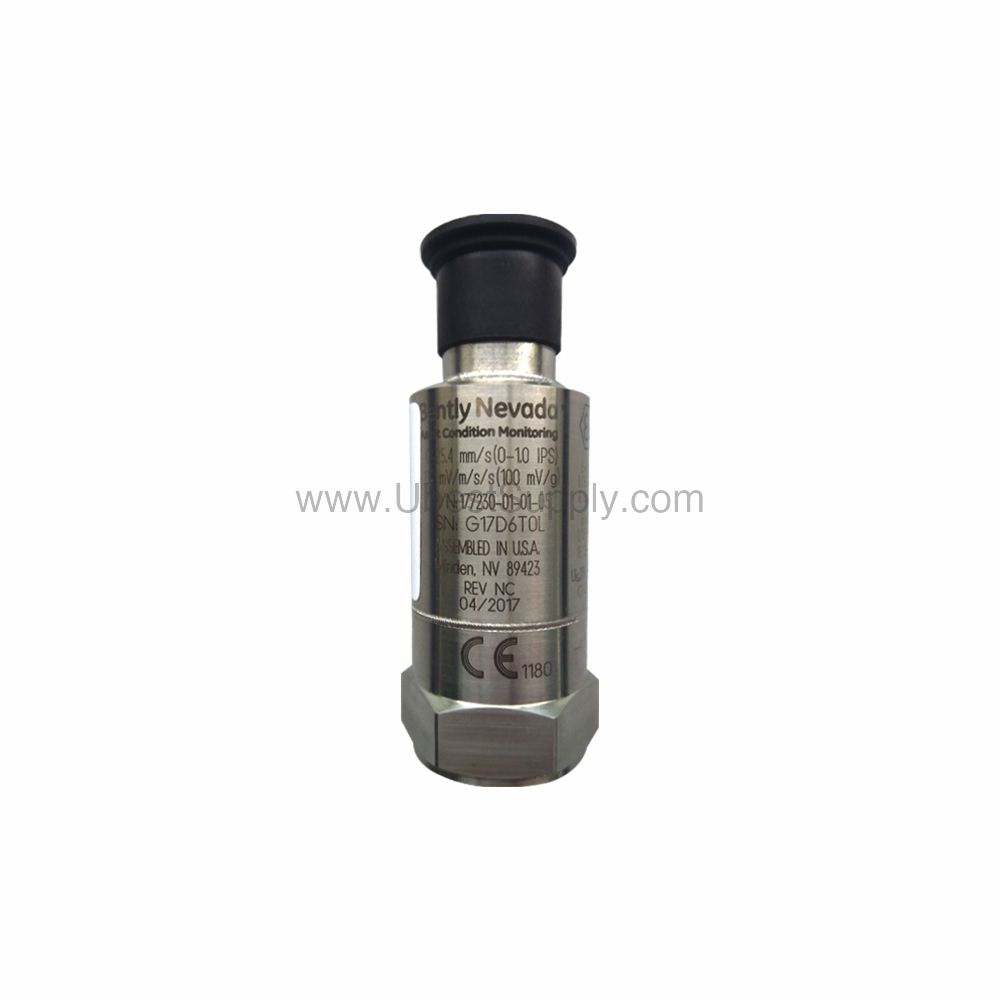
The 177230-01-02-05 is engineered for precision and durability. Its key specifications include:
These specs ensure accurate vibration measurement even in demanding industrial settings. The hermetically sealed sensor and 316L stainless steel construction provide excellent corrosion resistance.
The 177230-01-02-05 is ideal for vibration monitoring on pumps, fans, motors, and other rotating machinery. Its 4-20 mA output simplifies integration with existing control systems, making it a cost-effective choice for condition monitoring. For example, in a petrochemical plant, this transmitter can help detect bearing wear early, preventing unplanned downtime. Similarly, in a water treatment facility, it can monitor pump vibration to optimize maintenance schedules.
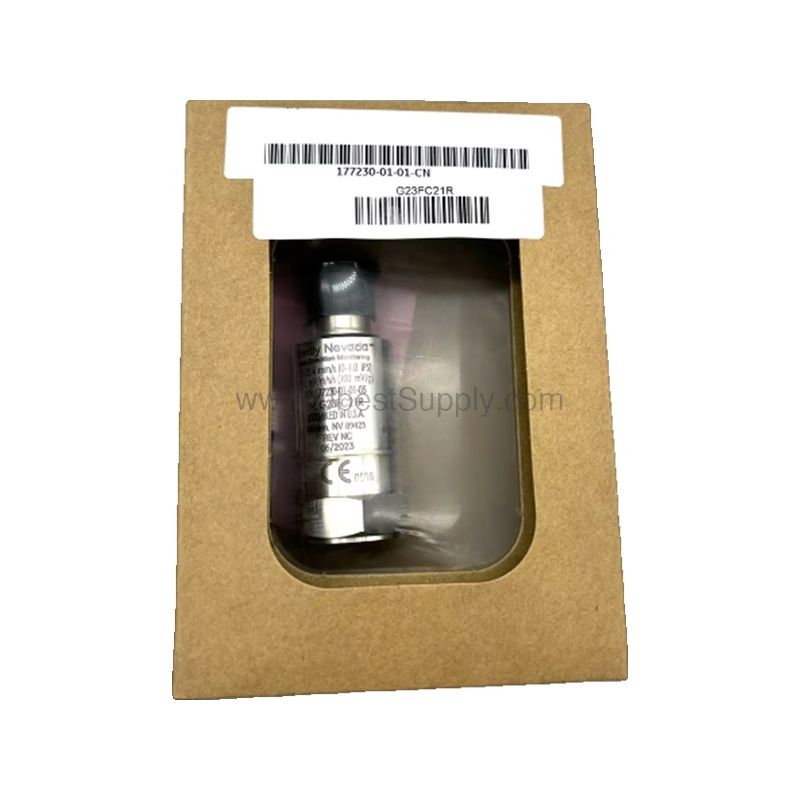
Proper installation is crucial for accurate readings. The transmitter mounts via a 1/4-28 UNF hole or M6 x 1 SI / M8 x 1.25 SI threads. Recommended mounting torque is 4 to 7 N-m (35.4 to 62.0 in-lbf). Ensure the mounting surface is clean and flat to achieve optimal coupling. The 3-pin MIL-C-5015 connector simplifies wiring: Pin A is the 4-20 mA positive loop, Pin B is the loop return, and Pin C provides a dynamic acceleration signal.
Routine inspection of the transmitter and its mounting is recommended to ensure long-term reliability. Check for any signs of physical damage or loosening. The hermetically sealed design protects against moisture and contaminants, allowing operation in up to 100% relative humidity (non-submerged). With proper care, this transmitter can provide years of dependable service, reducing total cost of ownership.
Compared to accelerometers with raw voltage outputs, the 177230-01-02-05 offers a direct 4-20 mA signal that is less susceptible to noise over long cable runs. Unlike velocity sensors that require separate signal conditioning, this transmitter integrates the sensing element and loop-powered electronics in one compact package. Its 316L stainless steel case and MIL-C-5015 connector also provide superior durability versus plastic-bodied sensors.
The 177230-01-02-05 is designed for use with PLCs, DCS, and SCADA systems that have internal power supplies typically current-limited to 30-35 mA. The 4-20 mA output is universally accepted by analog input modules, making integration straightforward. For dynamic analysis, the unbuffered acceleration signal on Pin C can be connected to a data collector or vibration analyzer.
If the output signal is not within the expected 4-20 mA range, first verify the excitation voltage is between 12 and 30 Vdc. Check the loop wiring: Pin A must be positive with respect to Pin B. Ensure the transmitter is mounted securely and not experiencing excessive transverse vibration. If issues persist, consult the official Bently Nevada documentation or contact Petro Auto Tech for technical support.
A: The transmitter measures vibration velocity from 0 to 25.4 mm/s (0 to 1.0 in/s) peak.
A: It provides a 4-20 mA current loop signal proportional to peak vibration levels.
A: The operating temperature range is -40°C to +85°C (-40°F to +185°F).
A: Yes, it has multiple approvals including CSA/NRTL/C and ATEX/IECEx, making it suitable for hazardous locations.
A: It can be mounted using a 1/4-28 UNF hole or M6/M8 threads, with a recommended torque of 4 to 7 N-m.
The 177230-01-02-05 is available through Petro Auto Tech, an industrial automation parts supplier. Contact Petro Auto Tech for current pricing and lead times. In-stock units are ready to ship, ensuring minimal downtime for your operations.
| Part Number | 177230-01-02-05 |
| Condition | In Stock |
| Stock Status | In Stock (Ready to Ship) |
| Weight | 0.5 kg |
| Warranty | 12 Month |
Shipping Port: Xiamen
We ship worldwide via DHL, FedEx, UPS, TNT, and EMS. In-stock items are dispatched within 24 hours of payment confirmation. Tracking number will be provided after shipment.
Secure payment processing. Contact us for corporate account and bulk order pricing.
All products come with a 1-year warranty against manufacturing defects. We guarantee 100% new and original products sourced directly from authorized manufacturers.
In Stock  In Stock
  In Stock
  In Stock
  In Stock
  In Stock
  In Stock
  In Stock
 Stay informed with the latest industry insights, product announcements, and technical articles.