 In Stock
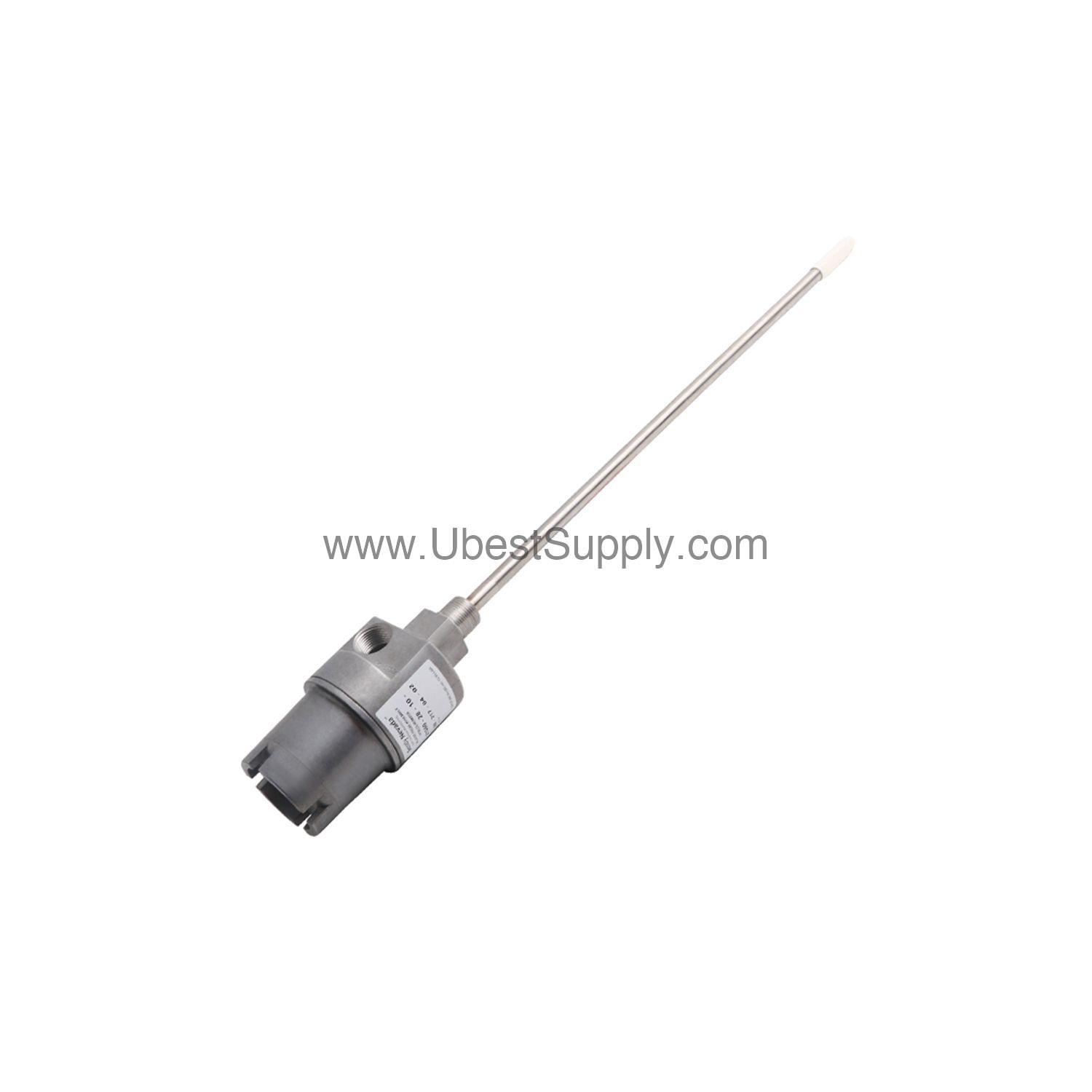
 21000-28-05-35-020-04-02 | Bently Nevada 8 mm Probe Housing Assembly
21000-28-05-35-020-04-02
The 21000-28-05-35-020-04-02 from Bently Nevada is a proximity probe housing assembly with...

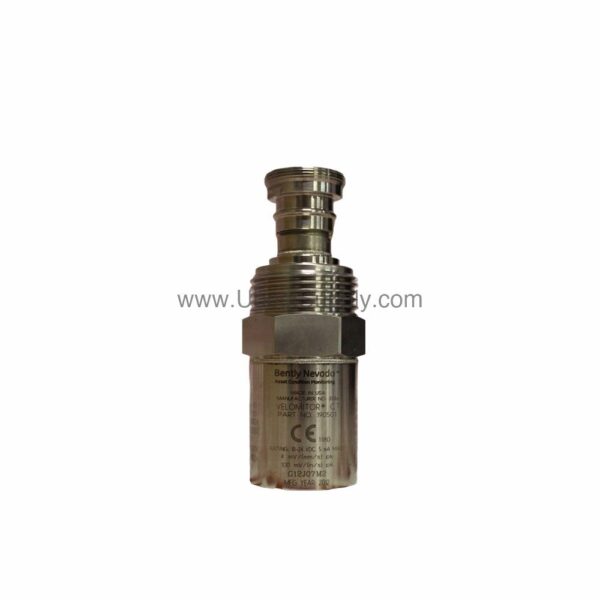
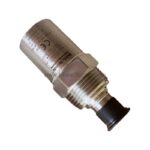
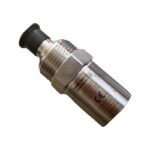
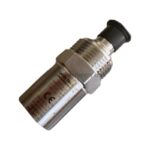
When rotating machinery begins to vibrate abnormally, the cause may be misalignment, unbalance, or bearing wear. The 190501-02-00-01 from Bently Nevada provides a dependable solution for capturing velocity signals in industrial environments. This Velomitor CT velocity transducer is engineered to convert mechanical vibration into an electrical signal that monitoring systems can interpret.
Part of the trusted Bently Nevada product line, the 190501-02-00-01 offers a sensitivity of 3.94 mV/mm/s (100 mV/in/s) with a tolerance of ±5%. This makes it suitable for a wide range of condition monitoring applications where precise vibration data is essential.
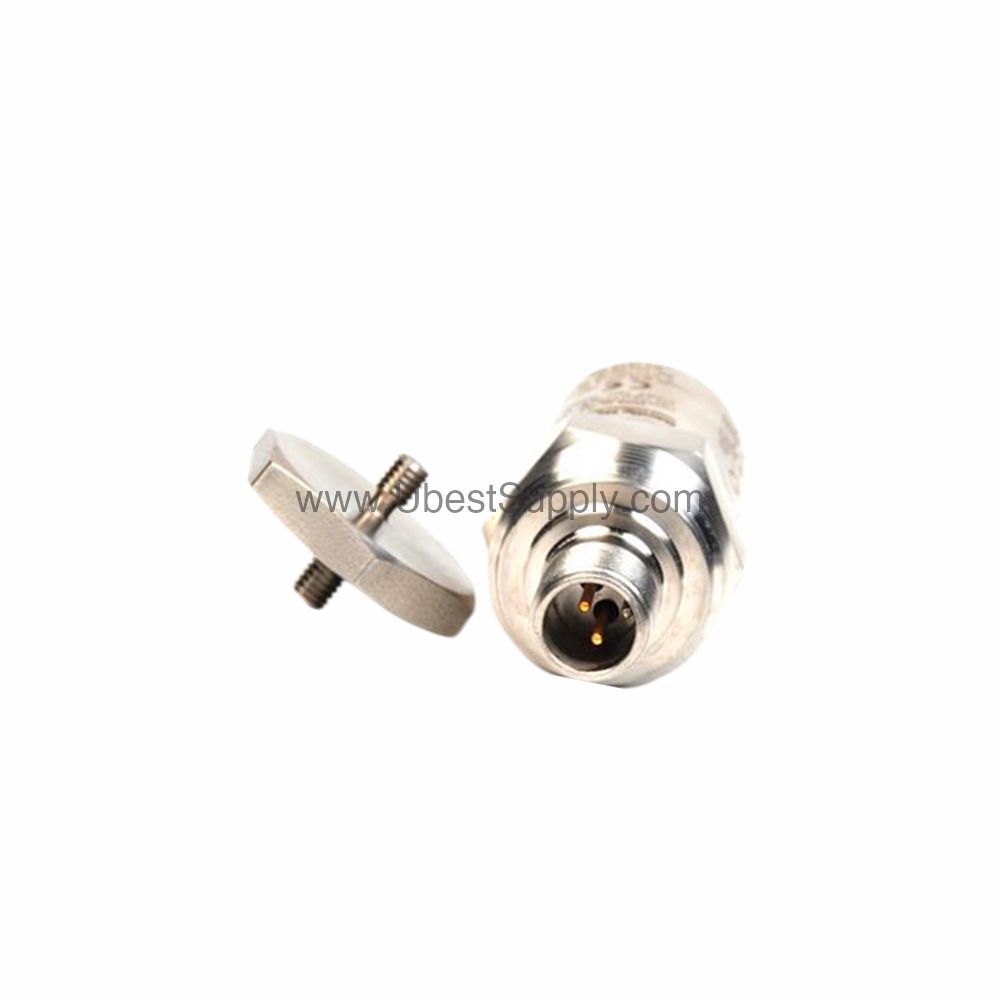
The 190501-02-00-01 is designed with several notable specifications that support accurate and consistent performance:
These specifications indicate that the transducer can handle demanding vibration monitoring tasks while maintaining signal integrity over long cable runs.
The 190501-02-00-01 is built to withstand harsh industrial conditions. Its operating temperature range is -40°C to +85°C (-40°F to +185°F), and it can be stored at -40°C to +100°C (-40°F to +212°F). The shock limit is 5000 g pk, maximum, and it can operate in 100% condensing humidity (non-submerged). Magnetic field susceptibility is <0.0068 mm/s/gauss (0.268 mil/s/gauss) at 50 gauss, 50-60 Hz.
Mechanically, the transducer weighs less than 297 g (10.5 oz.) and has a mounting surface of 33 mm diameter (1.3 in diameter) with a height of 82 mm (3.2 in). The case is made of 316L stainless steel, and the connector is a 2-pin 316L stainless steel MIL-C-5015, top-mounted. The mounting torque is 4.5 N-m ± 0.6 N-m (40 in-lbf ± 5 in-lbf). The polarity is such that Pin A goes positive with respect to Pin B when velocity is from base to top of the transducer. The transducer can be mounted in any orientation.
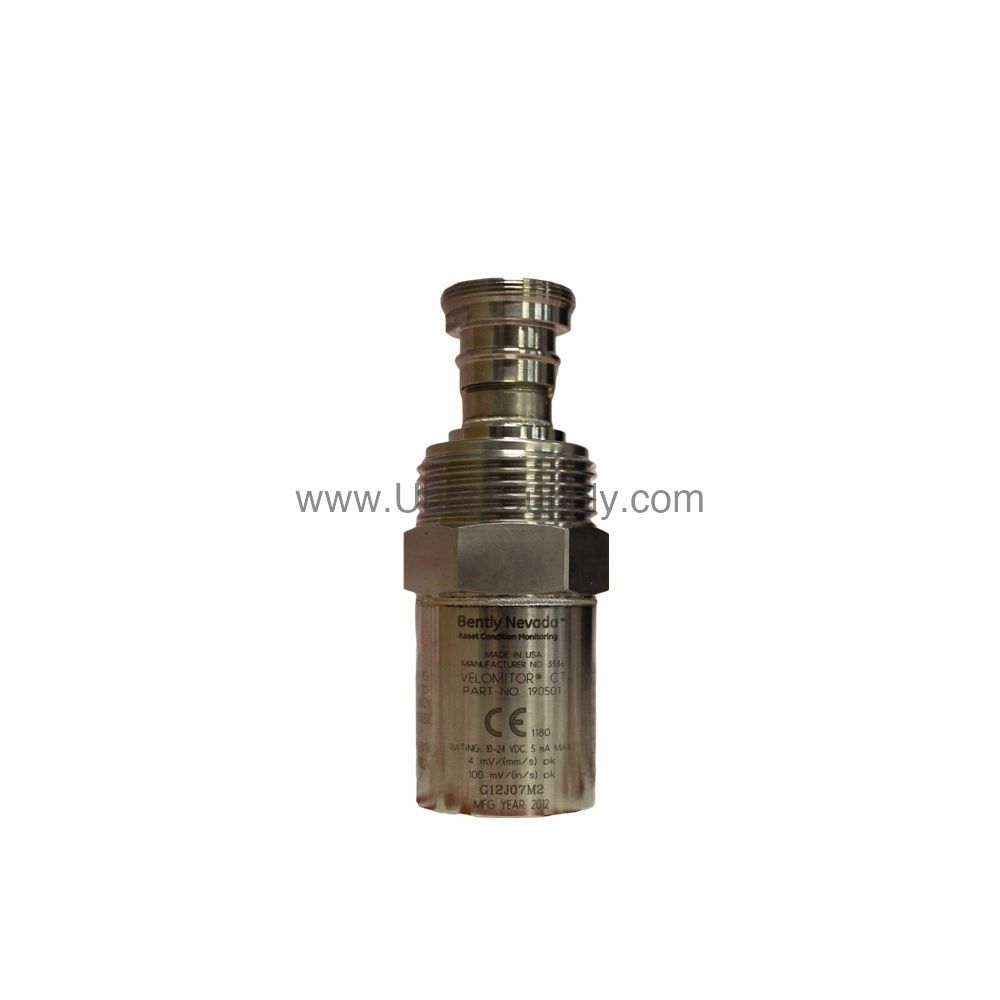
The 190501-02-00-01 is commonly used in industries such as power generation, oil and gas, and manufacturing, where rotating equipment like turbines, compressors, and pumps require continuous vibration monitoring. Its robust design and intrinsic safety approvals make it suitable for hazardous areas. For example, in a petrochemical plant, the transducer can be installed on a motor-driven pump to detect early signs of bearing failure, allowing maintenance teams to schedule repairs before a costly breakdown occurs.
Furthermore, the transducer's wide frequency response and high shock limit enable it to perform reliably in high-vibration environments, such as those found in steel mills or paper mills.
Proper installation is key to obtaining accurate vibration data. The 190501-02-00-01 features a stud mounting option (3/8-in 24 to 1/2-in 20) and a MIL-C-5015 connection interface. When mounting, ensure the mounting surface is clean and flat. Apply the recommended mounting torque of 4.5 N-m ± 0.6 N-m (40 in-lbf ± 5 in-lbf) to secure the transducer. The transducer can be oriented in any direction, so it can be positioned to best suit the measurement axis.
For electrical connections, use the specified cable (part number 02173006) up to 305 metres (1,000 ft.) without signal degradation. Verify that the output bias voltage is within the specified range (10.1 Vdc ± 1.0 Vdc) after installation.
To ensure long-term reliability, inspect the transducer periodically for any physical damage or loose mounting. Check the cable and connector for wear or corrosion, especially in harsh environments. The 316L stainless steel case provides excellent corrosion resistance, but regular inspection is still recommended.
Because the transducer is intrinsically safe (Ex ia IIC T4, AEx ia IIC T4), it is designed to operate safely in hazardous areas. However, always follow the manufacturer's safety manual and installation drawing (167536) for maintenance procedures.
If the vibration signal appears noisy or unstable, first verify that the mounting torque is correct and that the transducer is securely attached. Check the cable for damage or loose connections. Also, confirm that the output bias voltage is within the specified range. If issues persist, consult the Bently Nevada documentation or contact Petro Auto Tech for assistance.
A: The sensitivity is 3.94 mV/mm/s (100 mV/in/s) ±5%.
A: The maximum cable length is 305 metres (1,000 ft.) using cable part number 02173006, with no signal degradation.
A: It has CSA/NRTL/C (Class I, Division 1) and ATEX/IECEx/CSA (Class I, Zone 0/1) approvals, with intrinsic safety ratings Ex ia IIC T4 and AEx ia IIC T4.
A: The operating temperature range is -40°C to +85°C (-40°F to +185°F).
A: The mounting torque is 4.5 N-m ± 0.6 N-m (40 in-lbf ± 5 in-lbf).
The Bently Nevada 190501-02-00-01 is available through Petro Auto Tech. For current lifecycle status and availability, please contact Petro Auto Tech before ordering. Our team can provide technical support and assist with your vibration monitoring needs.
| Part Number | 190501-02-00-01 |
| Condition | In Stock |
| Stock Status | In Stock (Ready to Ship) |
| Weight | 0.5 kg |
| Warranty | 12 Month |
Shipping Port: Xiamen
We ship worldwide via DHL, FedEx, UPS, TNT, and EMS. In-stock items are dispatched within 24 hours of payment confirmation. Tracking number will be provided after shipment.
Secure payment processing. Contact us for corporate account and bulk order pricing.
All products come with a 1-year warranty against manufacturing defects. We guarantee 100% new and original products sourced directly from authorized manufacturers.
In Stock  In Stock
  In Stock
  In Stock
  In Stock
  In Stock
  In Stock
  In Stock
 Stay informed with the latest industry insights, product announcements, and technical articles.