 In Stock
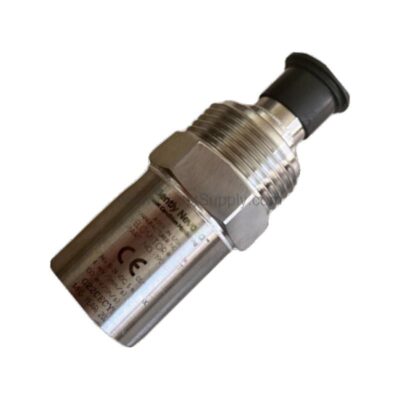
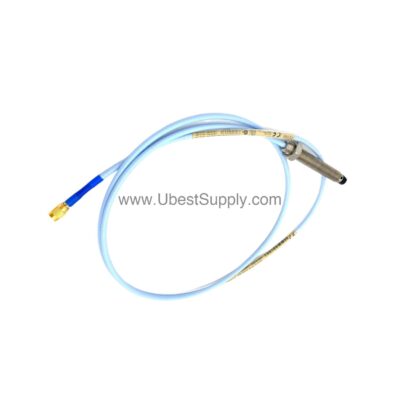
 190501-01-00-00 | Bently Nevada 3.94 mV/mm/s Velocity Transducer
190501-01-00-00
The Bently Nevada 190501-01-00-00 Velomitor CT velocity transducer delivers reliable vibration monitoring...

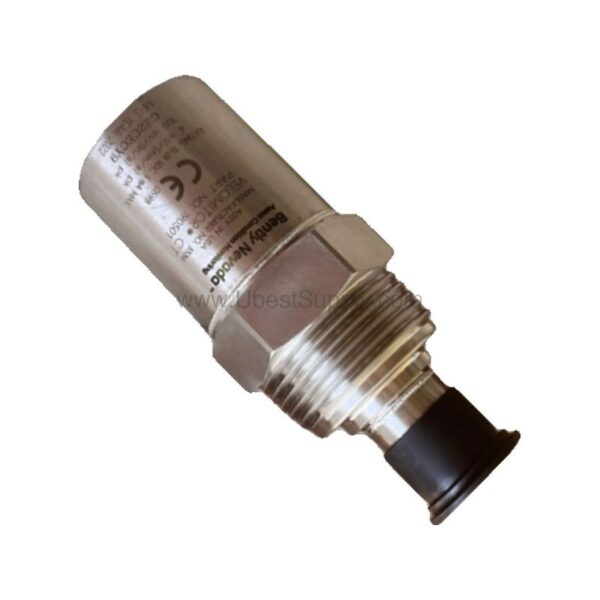
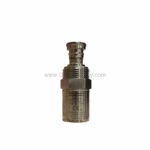
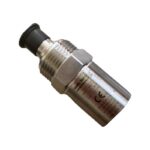
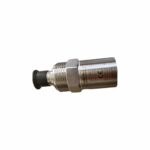
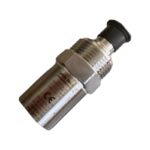
When machine vibration threatens uptime, the 190501-02-00-01 from Bently Nevada provides accurate velocity measurements. This Velomitor CT velocity transducer is engineered for industrial rotating equipment. It delivers consistent performance across demanding environments.
With a sensitivity of 3.94 mV/mm/s (100 mV/in/s) ±5%, this transducer converts mechanical vibration into a usable electrical signal. Its frequency response spans 3.0 Hz to 900 Hz (180 to 54,000 cpm) ±1.0 dB, covering typical machine vibration ranges. The device operates from -40°C to +85°C, making it suitable for harsh industrial settings.
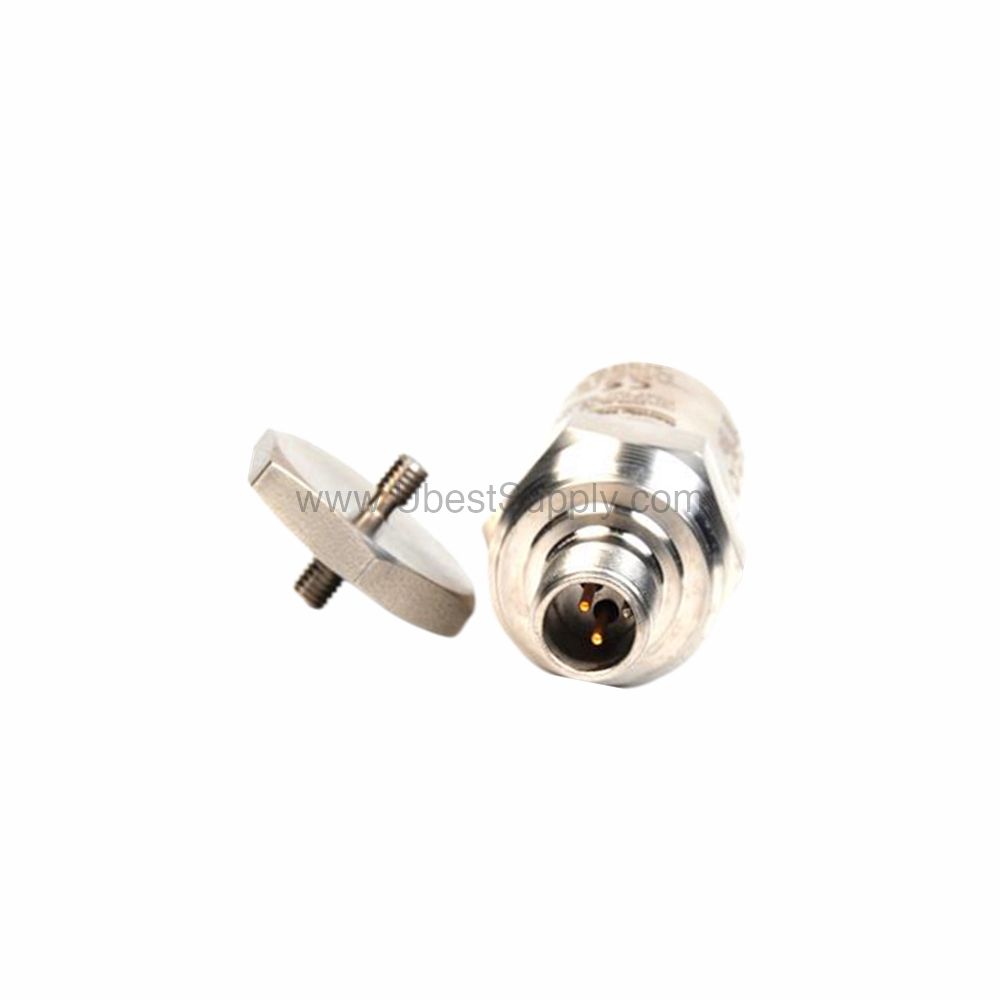
The 190501-02-00-01 offers several distinctive features that support reliable condition monitoring:
These specifications ensure accurate vibration data collection. The low transverse response minimizes cross-axis errors. The high resonant frequency avoids interference in most operating ranges.
When selecting a velocity transducer, consider the following factors. First, verify the frequency range matches your machine's vibration characteristics. The 3.0 Hz to 900 Hz range covers most rotating equipment. Second, check the mounting hardware option. This model includes a stud 3/8-in 24 to 1/2-in 20 mounting option, which provides a secure attachment.
Third, assess environmental conditions. The transducer withstands 100% condensing humidity and shock up to 5000 g pk. Its 316L stainless steel case resists corrosion. Fourth, confirm the connection interface. The MIL-C-5015 connection interface ensures a robust electrical connection.
Finally, consider the agency approvals. This unit carries CSA/NRTL/C (Class I, Division 1) and ATEX/IECEx/CSA (Class I, Zone 0/1) approvals, making it suitable for hazardous areas.
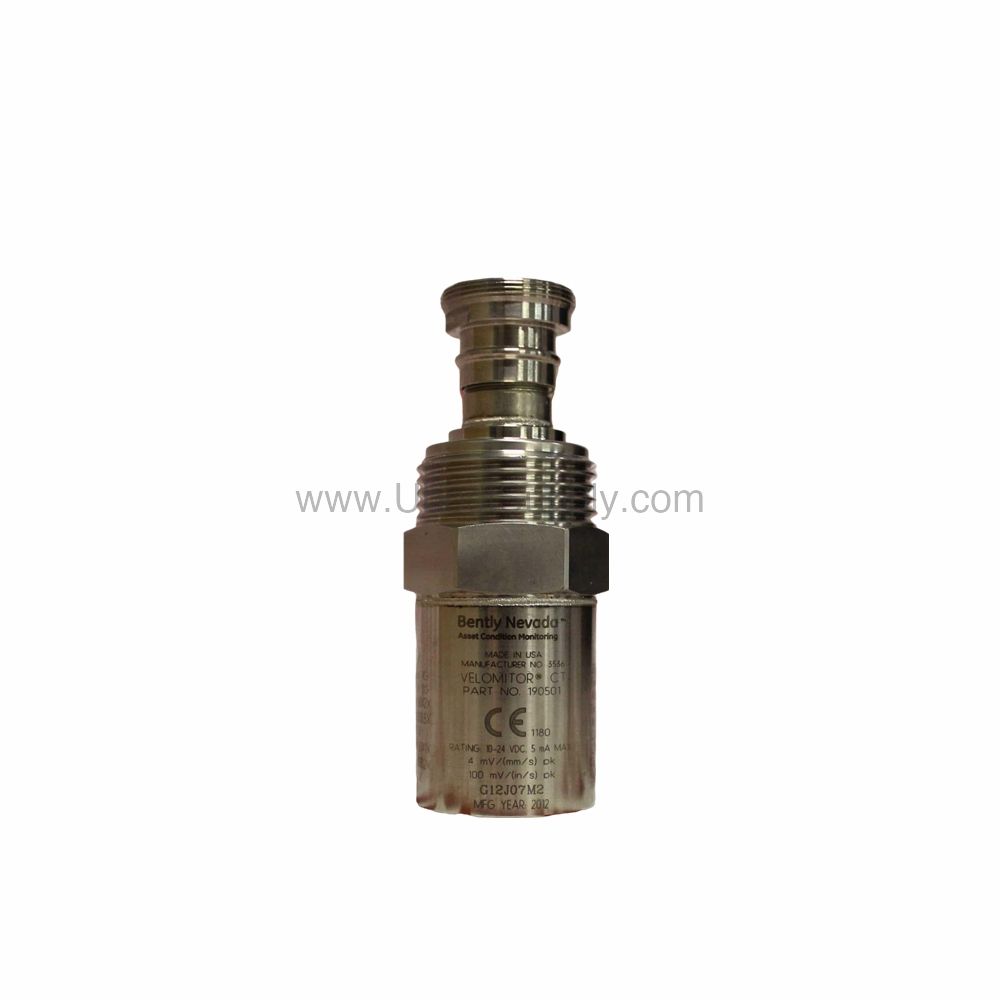
The 190501-02-00-01 is ideal for monitoring pumps, fans, compressors, and turbines. In petrochemical plants, it helps detect bearing wear and imbalance. In power generation, it monitors shaft vibration to prevent catastrophic failures. Its intrinsic safety approvals (Ex ia IIC T4) allow installation in explosive atmospheres.
Furthermore, the transducer's temperature sensitivity of -8% to +5% typical ensures stable output across its operating range. This reliability reduces false alarms and maintenance costs. Consequently, the device supports predictive maintenance programs, extending equipment life and reducing downtime.
Proper installation is crucial for accurate measurements. Mount the transducer on a flat, clean surface using the provided stud. Apply the specified mounting torque of 4.5 N-m ± 0.6 N-m (40 in-lbf ± 5 in-lbf). Ensure the mounting surface is free of paint or debris to achieve good contact.
Connect the MIL-C-5015 connector to the mating cable. Observe polarity: Pin A goes positive with respect to Pin B when velocity is from base to top. The transducer can be mounted in any orientation, simplifying installation in tight spaces.
For hazardous area installations, follow the installation drawing 167536. This ensures compliance with intrinsic safety requirements.
Routine maintenance is minimal due to the rugged design. Periodically inspect the mounting integrity and cable condition. Check for any signs of corrosion or damage. The internal electronics are isolated from the case, reducing ground loop issues.
The transducer's 316L stainless steel construction resists harsh chemicals and moisture. With no moving parts, it offers long service life. Regular calibration checks are recommended to maintain measurement accuracy.
The 190501-02-00-01 integrates with Bently Nevada monitoring systems. It provides a standard velocity signal compatible with most vibration monitors. The maximum cable length of 305 meters allows flexible placement of monitoring electronics.
For replacement applications, this transducer matches the form and function of original Velomitor CT units. Always verify compatibility with your existing system before ordering.
A: The sensitivity is 3.94 mV/mm/s (100 mV/in/s) ±5%.
A: The operating temperature range is -40°C to +85°C (-40°F to +185°F).
A: It has CSA/NRTL/C (Class I, Division 1) and ATEX/IECEx/CSA (Class I, Zone 0/1) approvals.
A: The maximum cable length is 305 meters (1,000 ft) with no signal degradation.
A: The mounting torque is 4.5 N-m ± 0.6 N-m (40 in-lbf ± 5 in-lbf).
The 190501-02-00-01 is available from Petro Auto Tech. Contact our team for current pricing and lead times. We provide fast shipping and responsive support. Please verify lifecycle status and availability before ordering.
| Part Number | 190501-02-00-01 |
| Condition | In Stock |
| Stock Status | In Stock (Ready to Ship) |
| Weight | 0.5 kg |
| Warranty | 12 Month |
Shipping Port: Xiamen
We ship worldwide via DHL, FedEx, UPS, TNT, and EMS. In-stock items are dispatched within 24 hours of payment confirmation. Tracking number will be provided after shipment.
Secure payment processing. Contact us for corporate account and bulk order pricing.
All products come with a 1-year warranty against manufacturing defects. We guarantee 100% new and original products sourced directly from authorized manufacturers.
In Stock  In Stock
  In Stock
  In Stock
  In Stock
  In Stock
  In Stock
  In Stock
 Stay informed with the latest industry insights, product announcements, and technical articles.