 In Stock
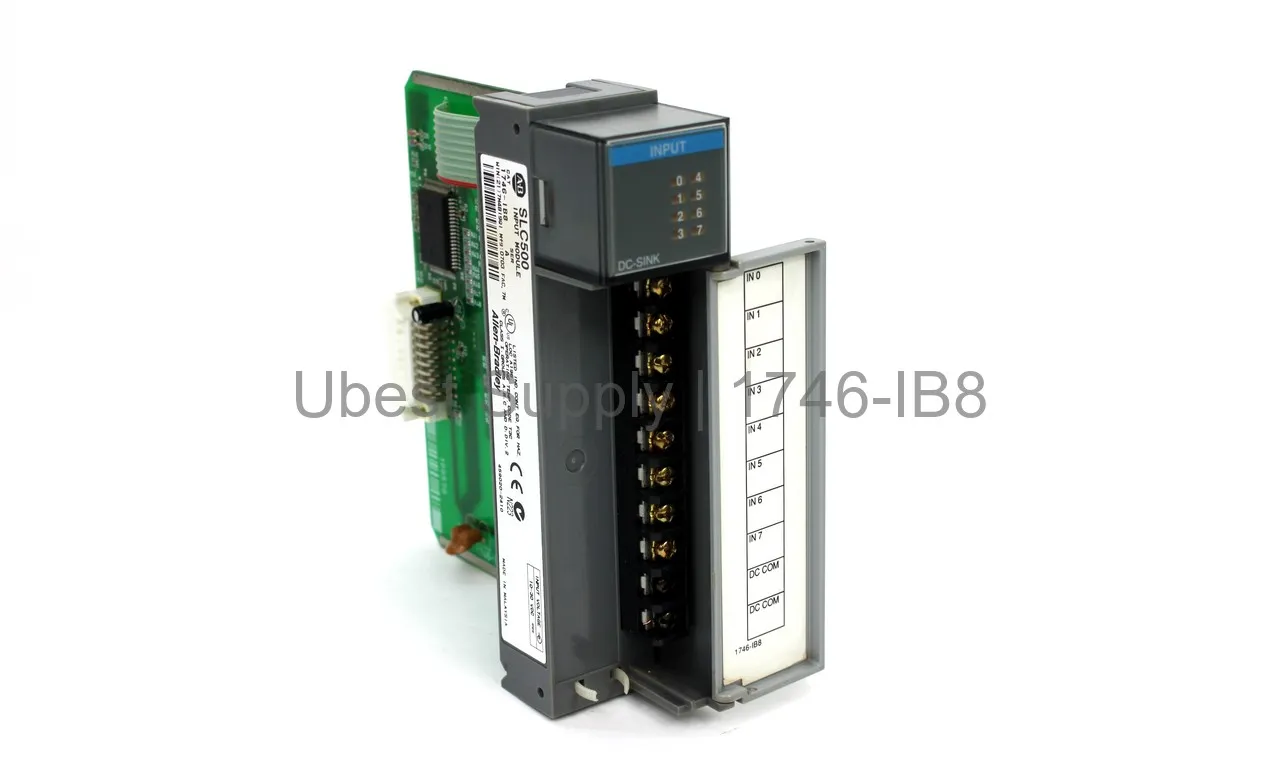
 1746-IB8 SLC 500 Digital DC Input Module by Allen-Bradley
1746-IB8
The 1746-IB8 is an 8-point 24V DC sinking input module for SLC...

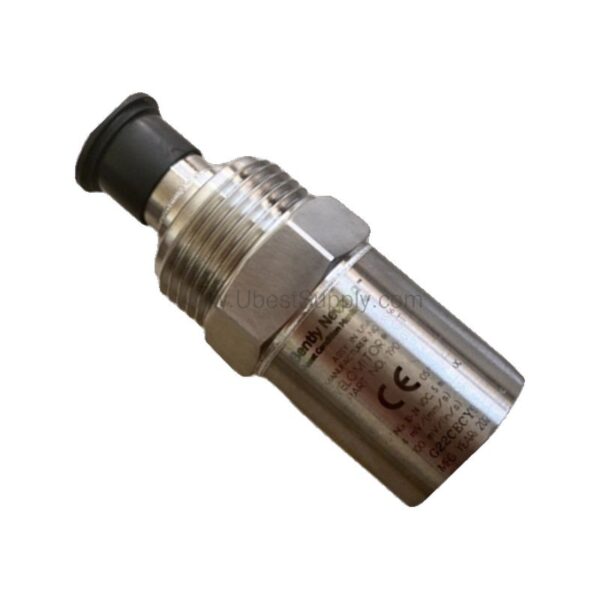
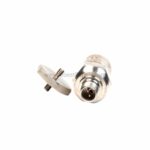
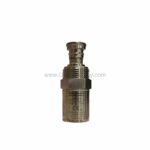
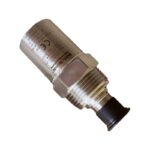
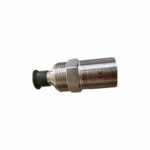
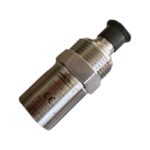
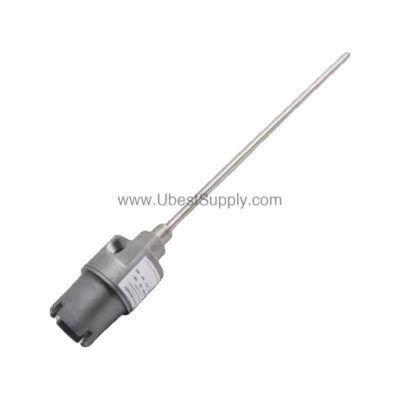
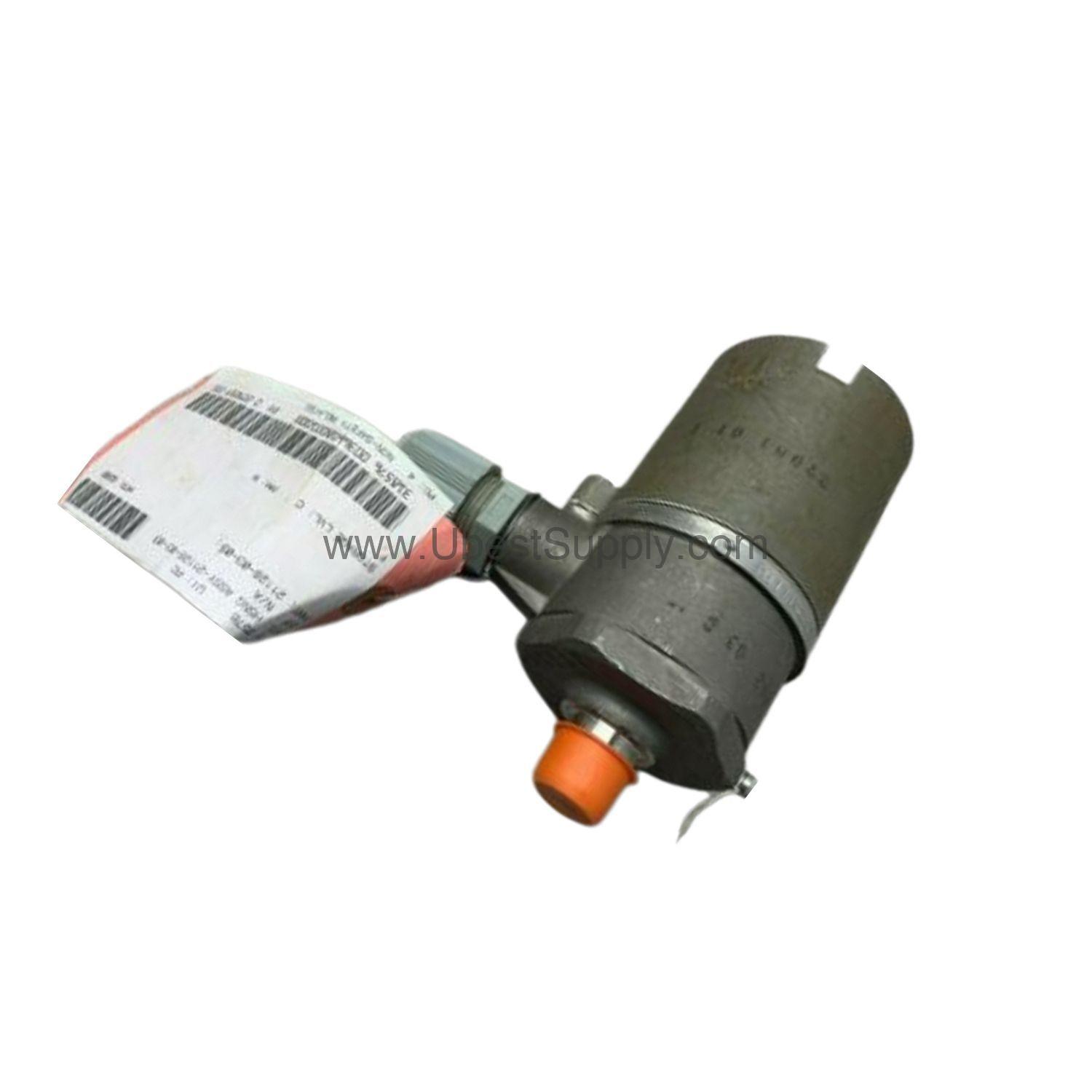
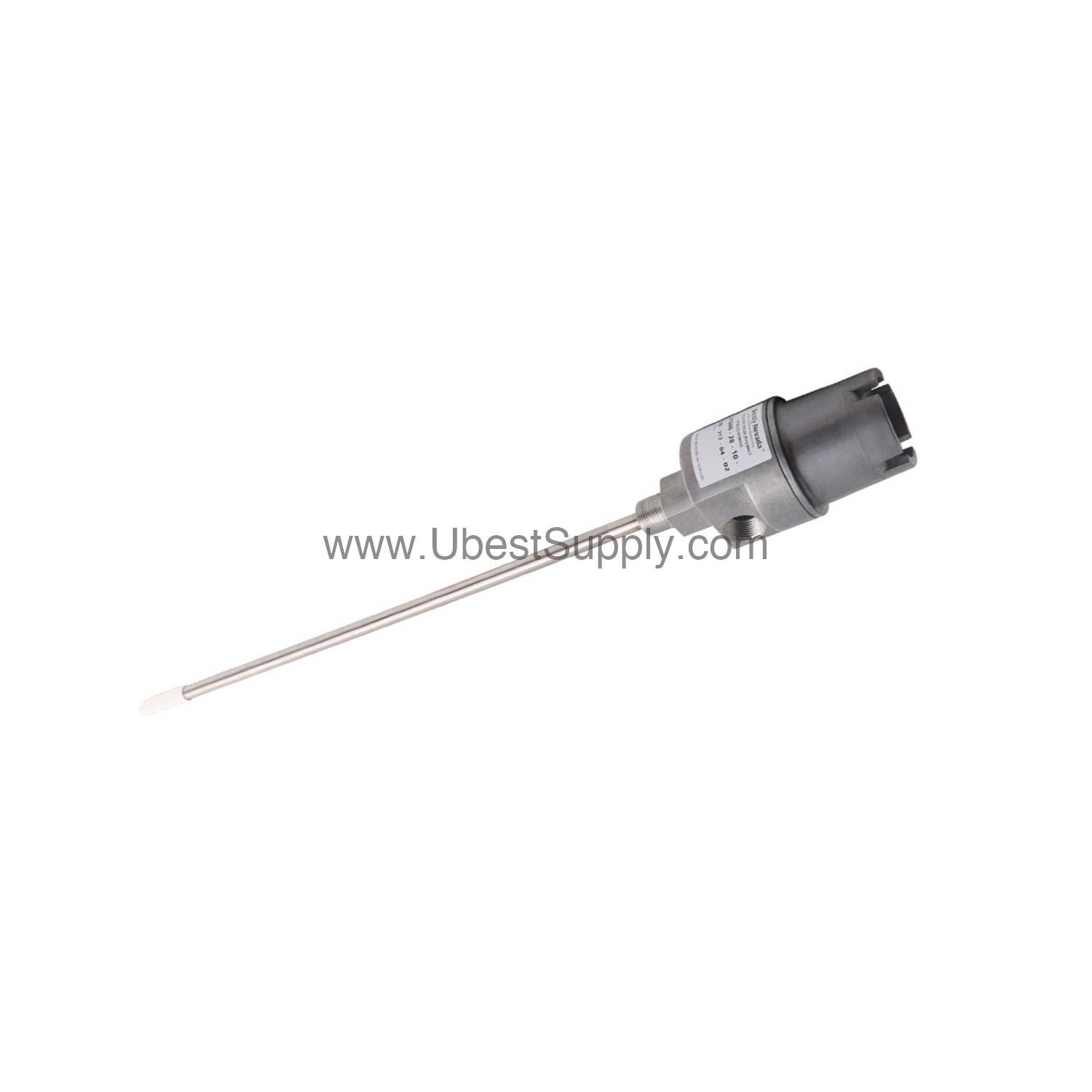
When rotating machinery reliability is critical, the 190501-07-00-04 from Bently Nevada provides precise velocity measurements. This Velomitor CT velocity transducer is engineered for permanent installation on industrial assets. It offers a dependable solution for vibration monitoring in demanding environments.
This model is part of the Velomitor CT series, known for its rugged design and consistent performance. The 190501-07-00-04 is built to deliver accurate data over a wide frequency range. This makes it suitable for various machinery protection applications.
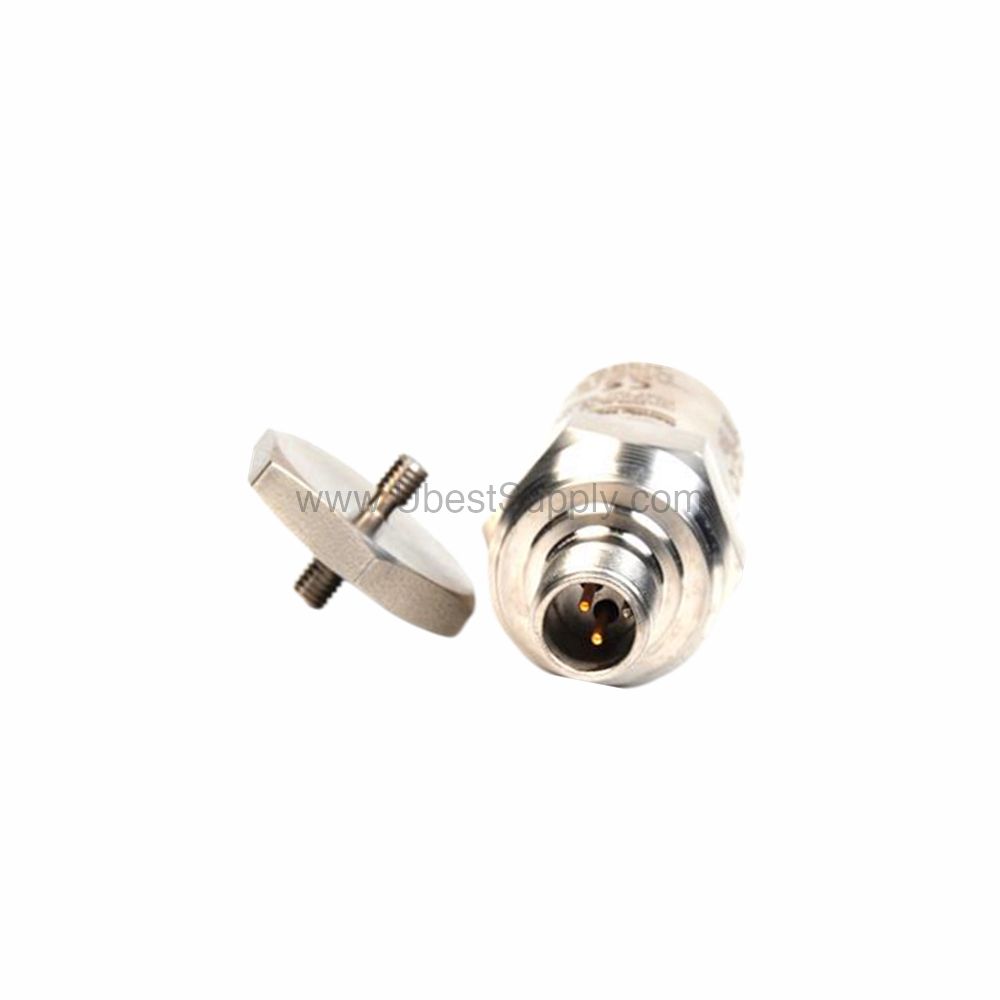
The 190501-07-00-04 is packed with features that ensure accurate and reliable operation. Its specifications are designed to meet the needs of modern industrial plants. Below are the core technical parameters:
The transducer's internal electronics are isolated from the case, ensuring grounding flexibility. This design helps prevent ground loops and improves signal integrity.
Investing in the 190501-07-00-04 offers long-term value. Its robust construction and accurate measurements help reduce downtime. By providing early warning of mechanical issues, it supports proactive maintenance strategies. This can lead to significant cost savings over the equipment's lifetime.
The transducer's wide frequency response captures both low-speed and high-speed machine vibrations. This makes it a versatile tool for condition monitoring. Its high shock limit of 5000 g ensures survival in harsh industrial environments.
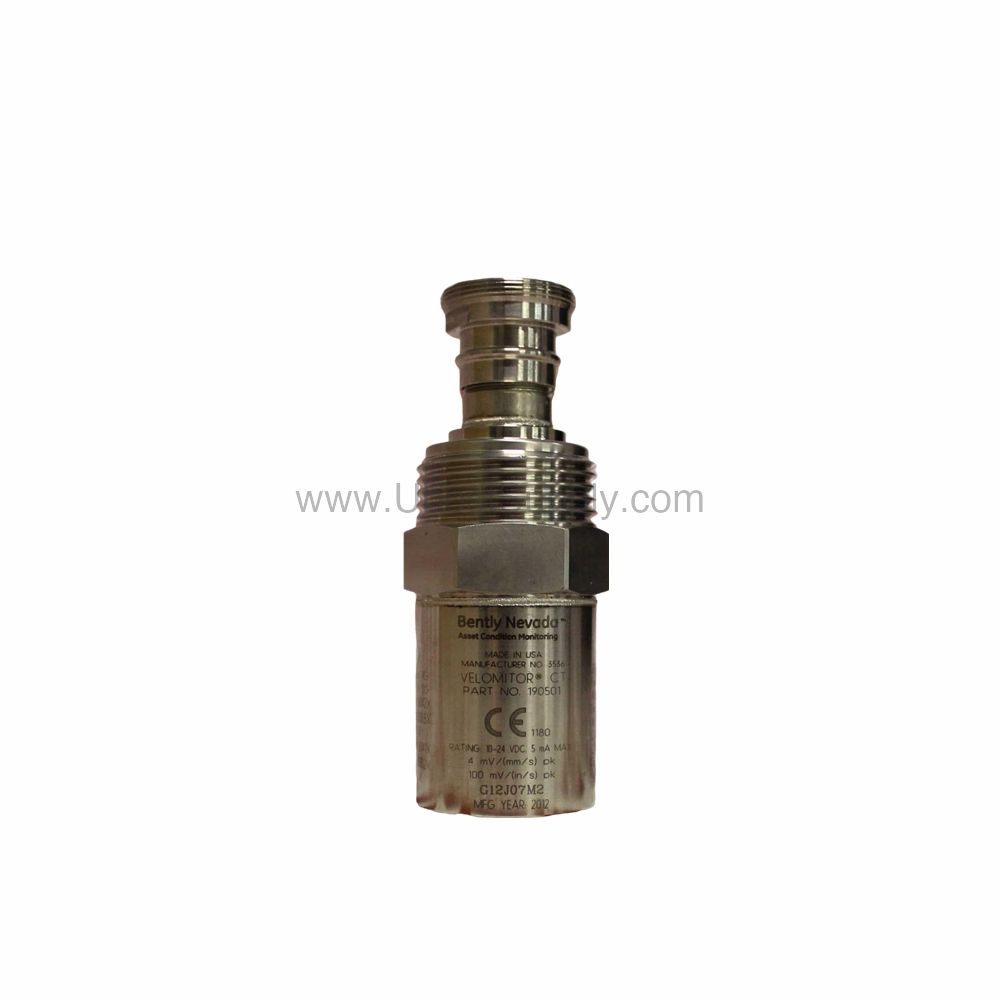
Proper installation is key to achieving accurate measurements. The 190501-07-00-04 features a plate stud mounting option (3/8-in 24 to 3/8-in 24). This provides a secure and stable attachment point. The recommended mounting torque is 4.5 N-m ± 0.6 N-m (40 in–lbf ± 5 in-lbf).
The transducer can be mounted in any orientation, offering flexibility in tight spaces. The MIL-C-5015 connection interface ensures a reliable electrical connection. For optimal performance, follow the manufacturer's installation guidelines.
The 190501-07-00-04 is designed for minimal maintenance. Its 316L stainless steel case resists corrosion and wear. Periodic inspection should be performed according to the manufacturer's recommendations. This includes verifying the transducer's output and checking for any physical damage.
The transducer's temperature sensitivity is -8% to +5% typical over the operating temperature range. This ensures stable performance across varying thermal conditions. Its magnetic field susceptibility is low, minimizing interference from nearby electrical equipment.
The 190501-07-00-04 is compatible with Bently Nevada monitoring systems. It provides a standard velocity output signal that can be integrated into existing protection racks. The transducer's output bias voltage of 10.1 Vdc is typical for Bently Nevada sensors.
For extended cable runs, the transducer supports up to 305 metres (1,000 ft.) of cable without signal degradation. This allows for flexible placement of monitoring equipment. Always use the specified cable part number 02173006 for best results.
A: The sensitivity is 3.94 mV/mm/s (100 mV/in/s) ±5%.
A: The operating temperature range is -40°C to +85°C (-40°F to +185°F).
A: The maximum cable length is 305 metres (1,000 ft.) using cable part number 02173006.
A: The mounting hardware option is a plate stud 3/8-in 24 to 3/8-in 24.
A: The output bias voltage is 10.1 Vdc ± 1.0 Vdc, Pin A referenced to Pin B.
The 190501-07-00-04 is available from Petro Auto Tech. We are a trusted supplier of industrial automation parts. Contact us for current pricing and lead times. Ensure your machinery is protected with this reliable velocity transducer.
| Part Number | 190501-07-00-04 |
| Condition | In Stock |
| Stock Status | In Stock (Ready to Ship) |
| Weight | 0.5 kg |
| Warranty | 12 Month |
Shipping Port: Xiamen
We ship worldwide via DHL, FedEx, UPS, TNT, and EMS. In-stock items are dispatched within 24 hours of payment confirmation. Tracking number will be provided after shipment.
Secure payment processing. Contact us for corporate account and bulk order pricing.
All products come with a 1-year warranty against manufacturing defects. We guarantee 100% new and original products sourced directly from authorized manufacturers.
In Stock  In Stock
  In Stock
  In Stock
  In Stock
  In Stock
  In Stock
  In Stock
 Stay informed with the latest industry insights, product announcements, and technical articles.