 In Stock
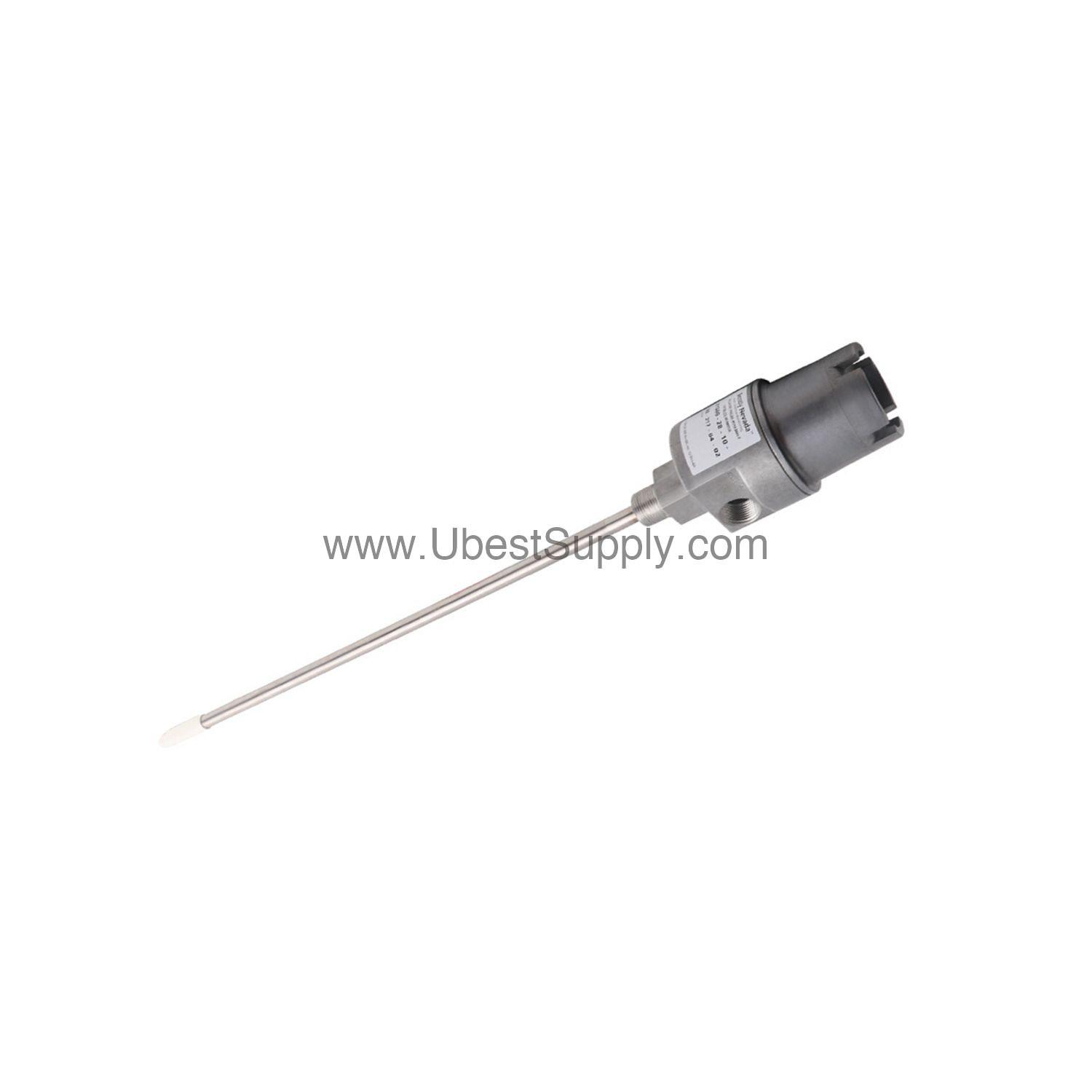
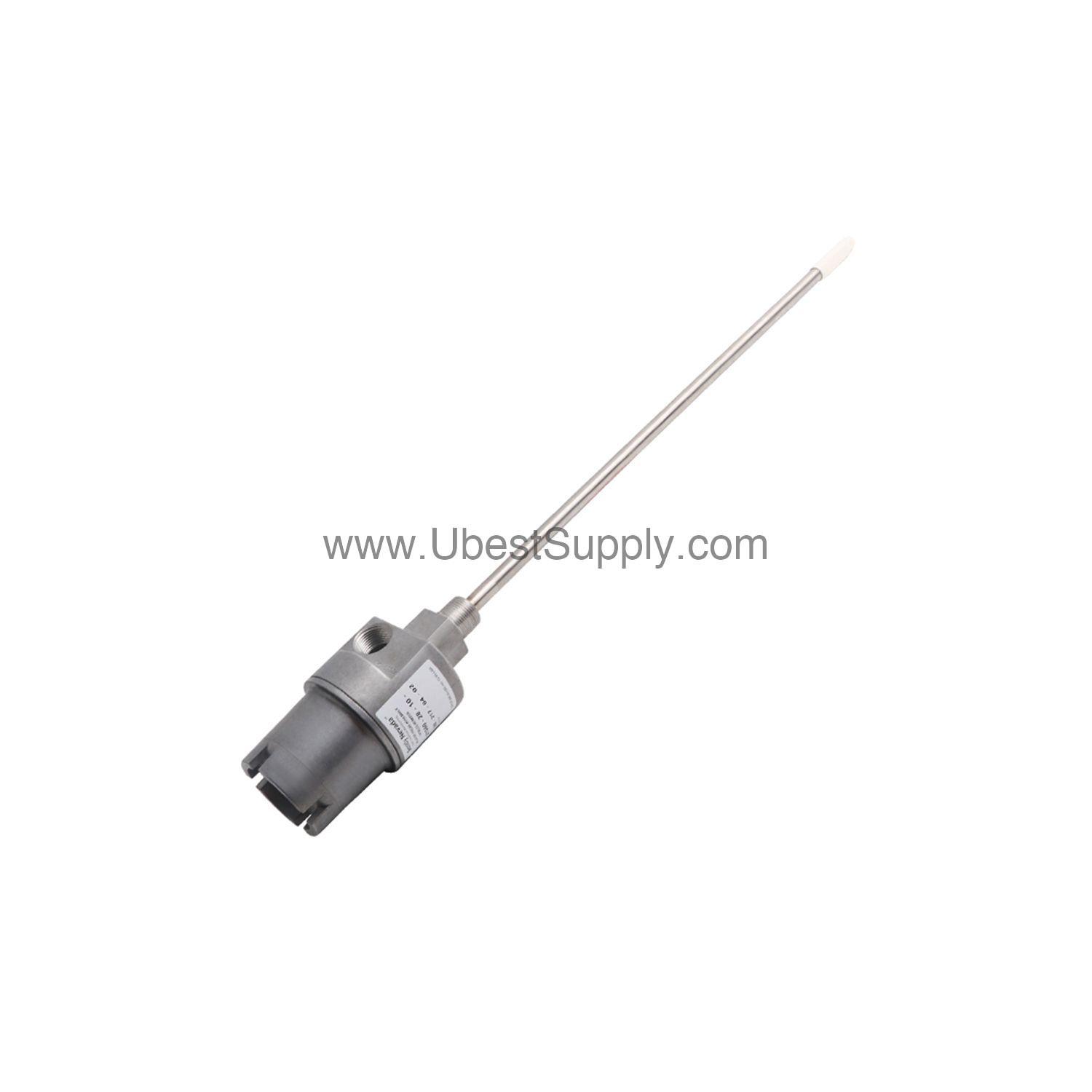
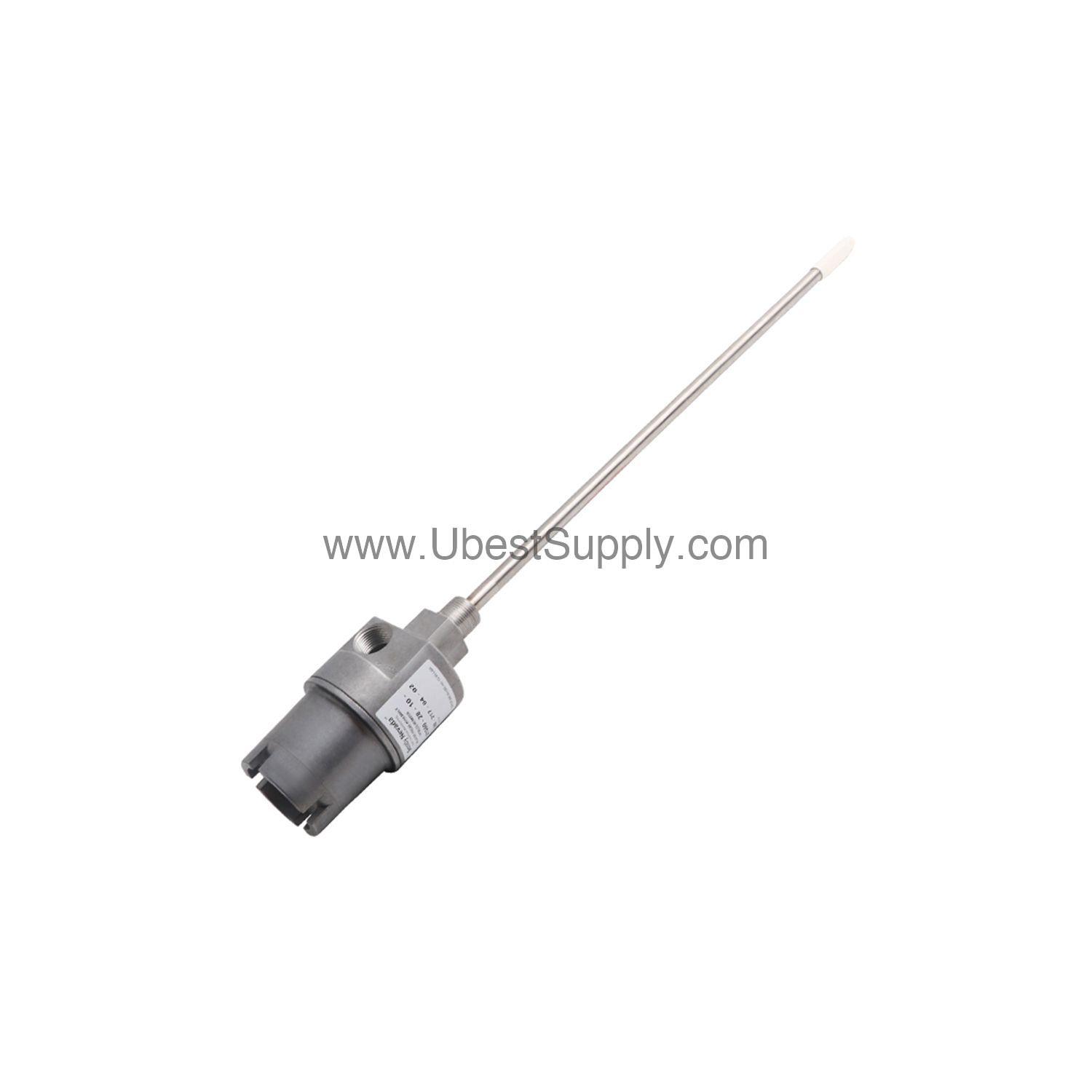
 21000-28-05-00-070-01-02 | Bently Nevada 8 mm Probe Housing Assembly
21000-28-05-00-070-01-02
The Bently Nevada 21000-28-05-00-070-01-02 proximity probe housing assembly offers a 0.5 m...

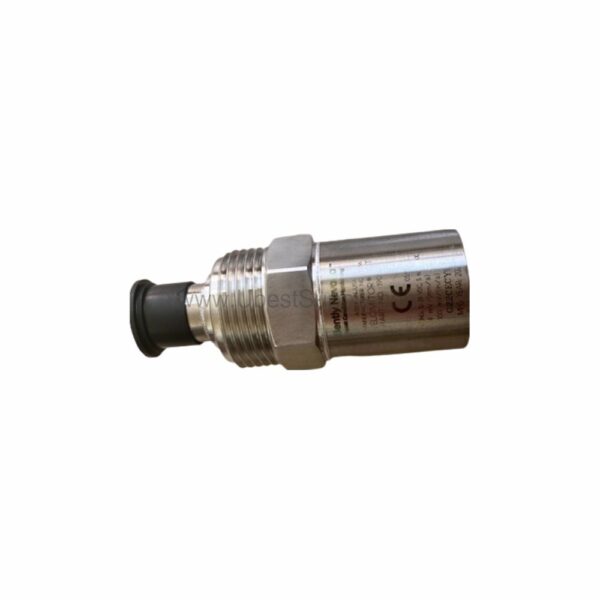
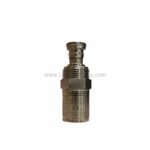
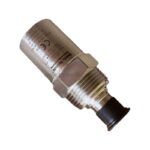
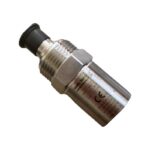
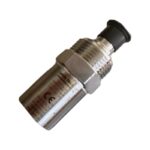
When rotating machinery vibration threatens uptime, the 190501-11-00-04 from Bently Nevada provides precise, continuous velocity measurement. This Velomitor CT velocity transducer is engineered for industrial environments where early fault detection prevents costly failures. With a sensitivity of 3.94 mV/mm/s (100 mV/in/s) ±5%, it delivers accurate data for condition monitoring systems.
Built for reliability, the 190501-11-00-04 features a 316L stainless steel case and a 2-pin MIL-C-5015 connector. Its internal electronics are isolated from the case, reducing ground loop issues. This transducer is a dependable choice for maintenance teams seeking to extend machine life and minimize unplanned downtime.
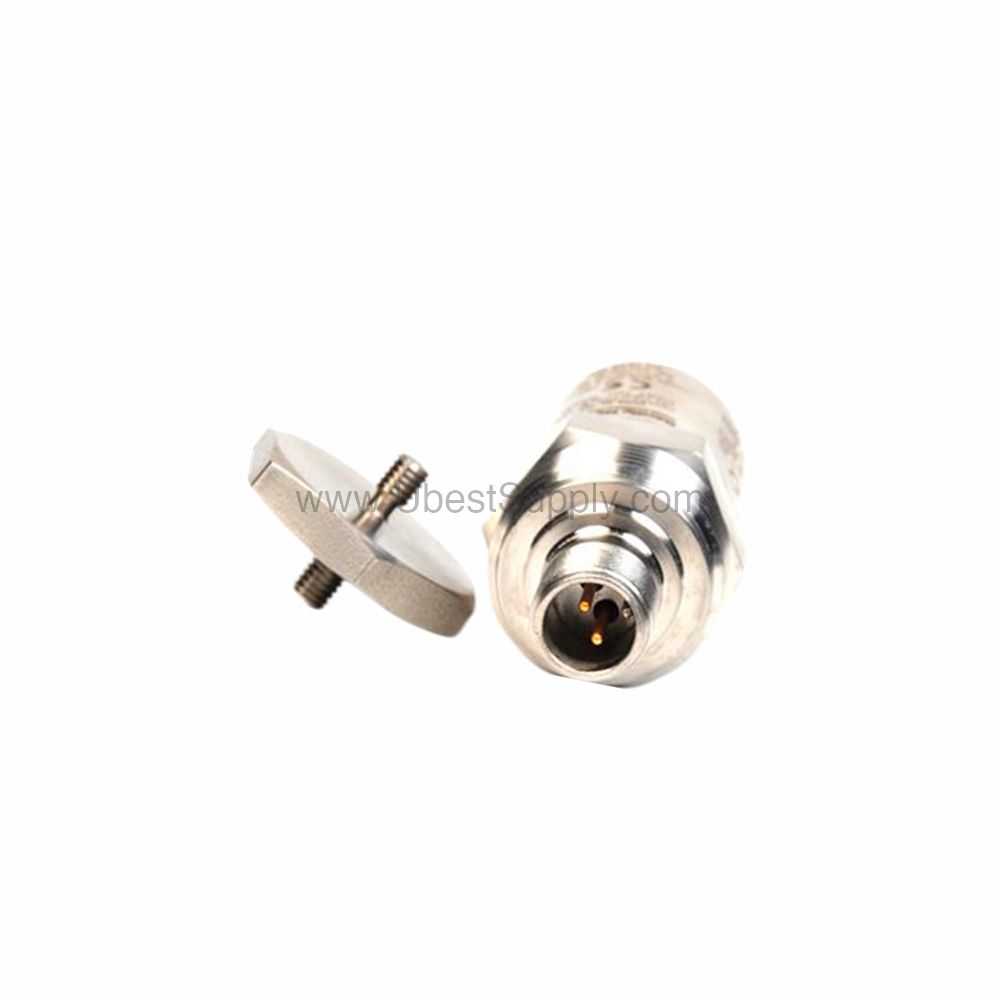
The 190501-11-00-04 offers a robust set of performance parameters that support effective vibration monitoring. Key specifications include:
These specifications ensure accurate velocity measurement across a wide range of machinery speeds. The broad frequency response captures both low-speed and high-speed vibration components, making the 190501-11-00-04 suitable for diverse rotating equipment.
The 190501-11-00-04 is designed for permanent installation on industrial machinery such as pumps, motors, fans, and compressors. Its rugged construction and agency approvals (CSA/NRTL/C, ATEX/IECEx/CSA) allow use in hazardous areas, including Class I, Division 1 and Zone 0/1 locations. Maintenance engineers can rely on this transducer for continuous vibration monitoring, helping to identify imbalance, misalignment, and bearing wear before they escalate.
For example, in a petrochemical plant, the 190501-11-00-04 can be mounted on critical pumps to provide real-time velocity data. This enables predictive maintenance strategies that reduce downtime and extend equipment life. The transducer's internal isolation and low base strain sensitivity ensure stable readings even in challenging mounting conditions.
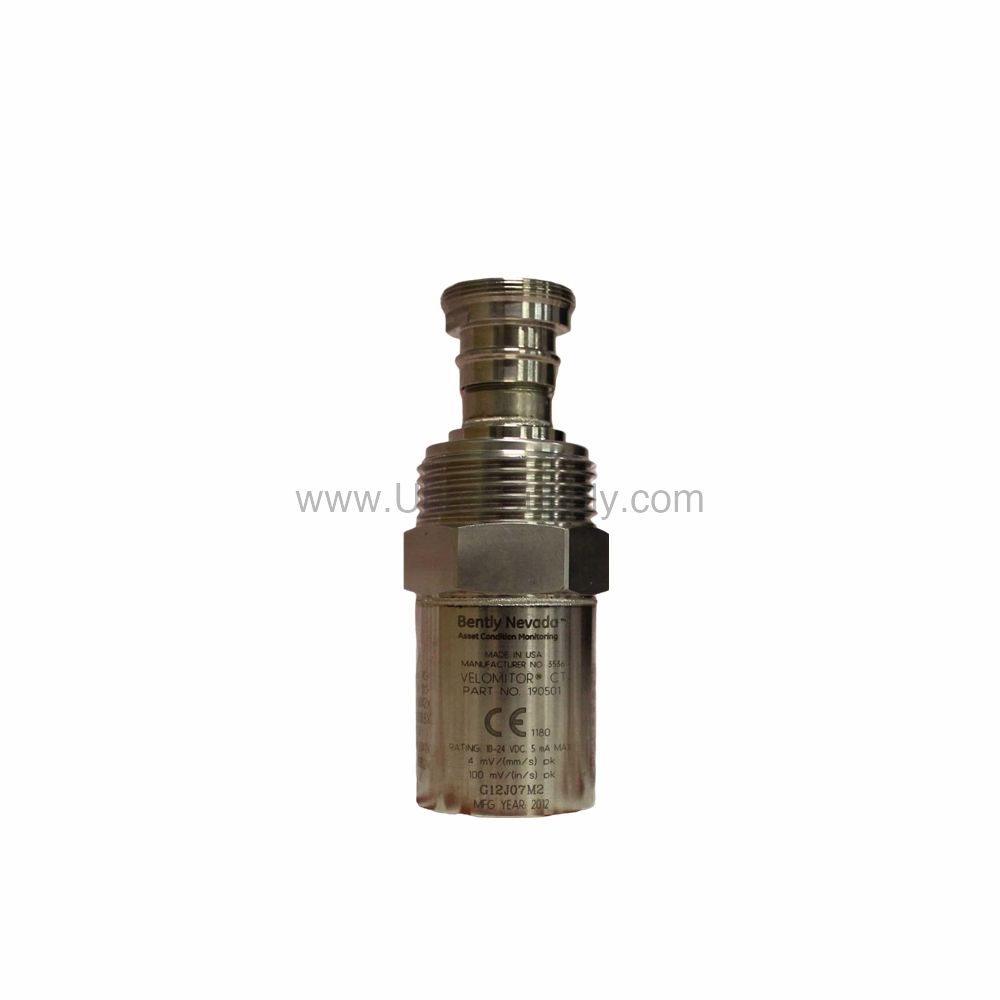
Proper installation is essential for accurate vibration measurement. The 190501-11-00-04 uses a plate stud mounting option (3/8-in 24 to 1/4-in 28) and can be oriented in any direction. Recommended mounting torque is 4.5 N-m ± 0.6 N-m (40 in-lbf ± 5 in-lbf). Ensure the mounting surface is clean and flat to achieve the specified resonant frequency.
The transducer connects via a 2-pin 316L stainless steel MIL-C-5015 top connector. Maximum cable length is 305 metres (1,000 ft.) using cable part number 02173006, with no signal degradation. For hazardous area installations, follow the provided installation drawing 167536 to maintain intrinsic safety.
Regular inspection of the 190501-11-00-04 ensures long-term reliability. Check the mounting integrity and connector condition periodically, especially in high-vibration environments. The 316L stainless steel case resists corrosion, and the internal electronics are isolated from the case, reducing the risk of ground loops.
With a temperature sensitivity of -8% to +5% typical over the operating range, the transducer maintains consistent performance across varying thermal conditions. Its shock limit of 5000 g pk ensures survival in harsh industrial settings. By incorporating the 190501-11-00-04 into a routine predictive maintenance program, facilities can reduce unplanned downtime and lower maintenance costs.
The 190501-11-00-04 is part of the Bently Nevada Velomitor CT family, designed to interface with standard vibration monitoring systems. It provides a dynamic output signal that can be connected to Bently Nevada monitors or third-party data acquisition systems. The output bias voltage of 10.1 Vdc and low output impedance (<400 Ω) ensure signal integrity over long cable runs.
For integration, confirm that the monitoring system accepts the transducer's sensitivity and frequency response. The 190501-11-00-04's MIL-C-5015 connection interface simplifies wiring, and the internal grounding isolation helps prevent noise interference. Always refer to the system's manual for proper configuration.
A: The sensitivity is 3.94 mV/mm/s (100 mV/in/s) ±5%.
A: Yes, it has agency approvals including CSA/NRTL/C (Class I, Division 1) and ATEX/IECEx/CSA (Class I, Zone 0/1).
A: Up to 305 metres (1,000 ft.) of cable (part number 02173006) can be used without signal degradation.
A: The operating temperature range is -40°C to +85°C (-40°F to +185°F).
The 190501-11-00-04 is available through Petro Auto Tech, an industrial automation parts supplier. For current lifecycle status and availability, contact Petro Auto Tech before ordering. Our team can assist with product selection and technical inquiries to ensure the transducer meets your application requirements.
| Part Number | 190501-11-00-04 |
| Condition | In Stock |
| Stock Status | In Stock (Ready to Ship) |
| Weight | 0.5 kg |
| Warranty | 12 Month |
Shipping Port: Xiamen
We ship worldwide via DHL, FedEx, UPS, TNT, and EMS. In-stock items are dispatched within 24 hours of payment confirmation. Tracking number will be provided after shipment.
Secure payment processing. Contact us for corporate account and bulk order pricing.
All products come with a 1-year warranty against manufacturing defects. We guarantee 100% new and original products sourced directly from authorized manufacturers.
In Stock 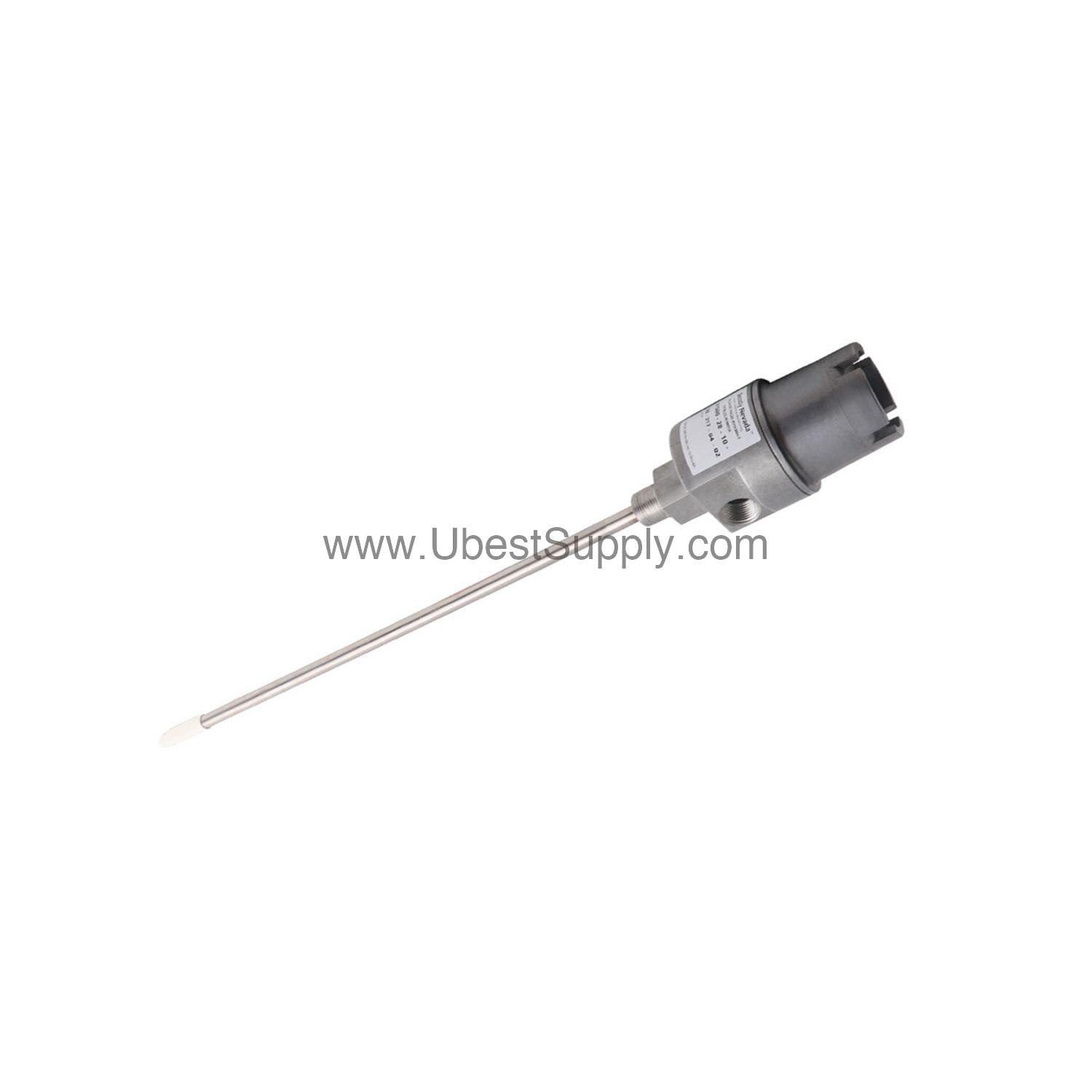 In Stock
  In Stock
  In Stock
  In Stock
  In Stock
  In Stock
  In Stock
 Stay informed with the latest industry insights, product announcements, and technical articles.