 In Stock
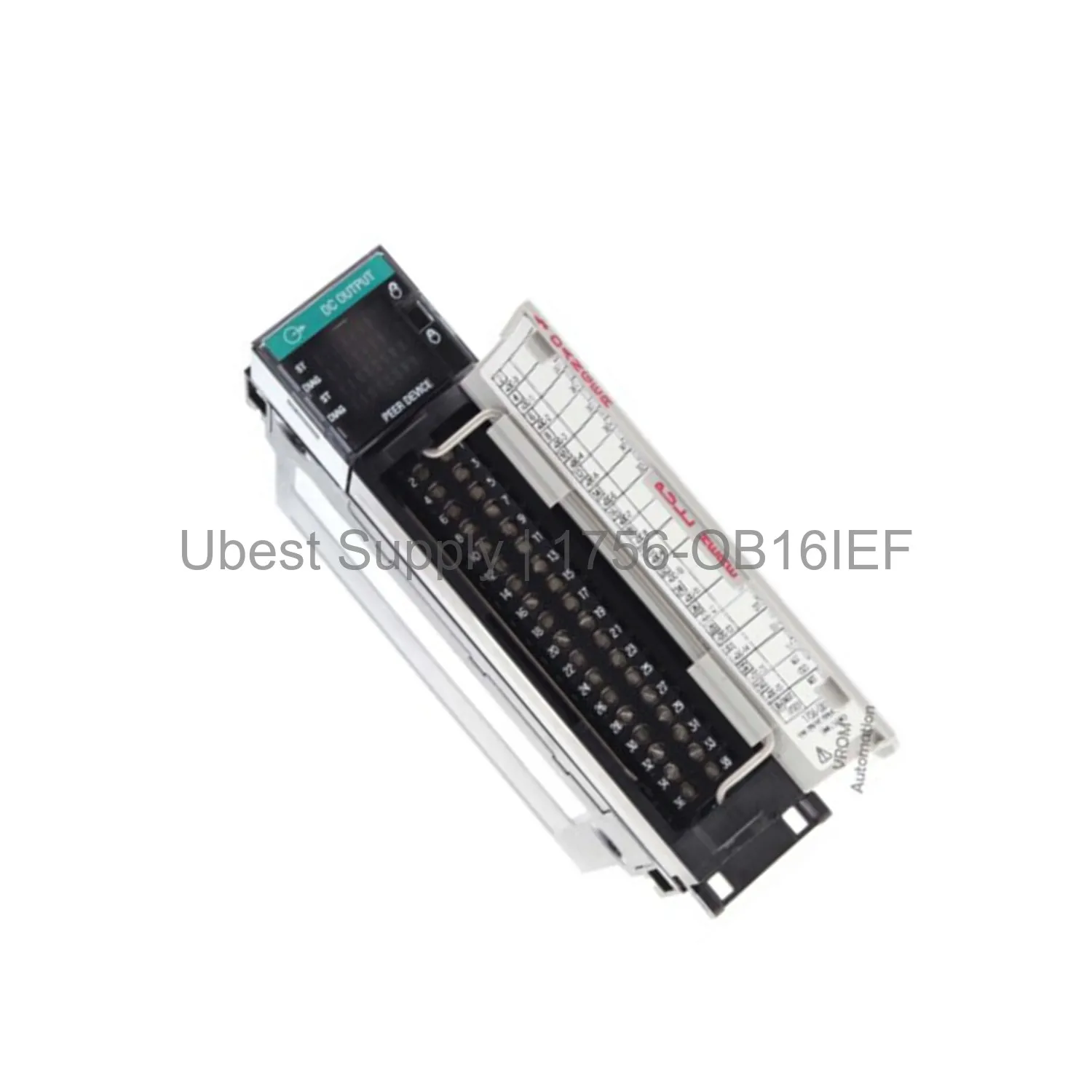
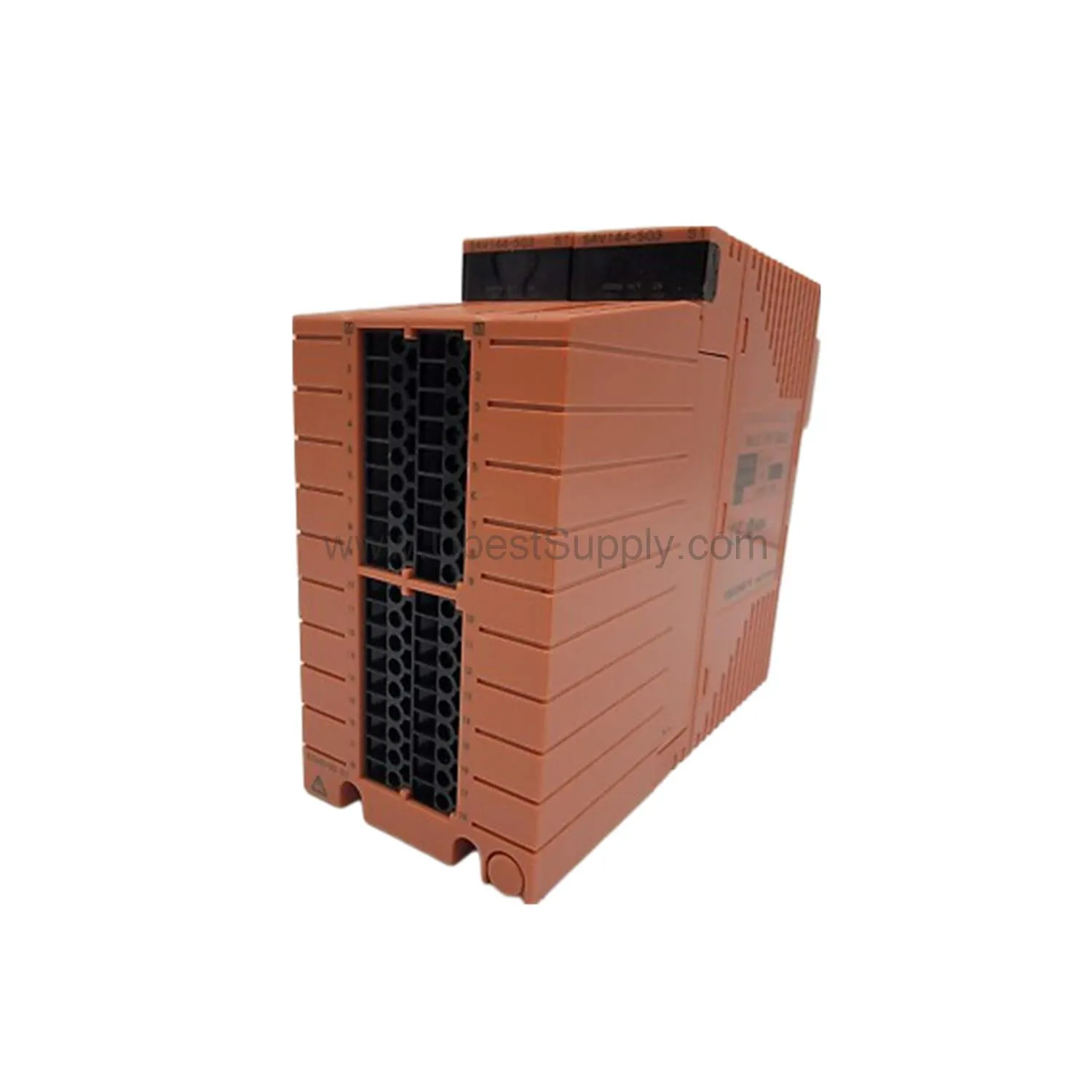
 Allen-Bradley 1756-OG16 ControlLogix Digital DC Output Module
1756-OG16
The Allen-Bradley 1756-OG16 is a 16-point TTL digital output module for ControlLogix...

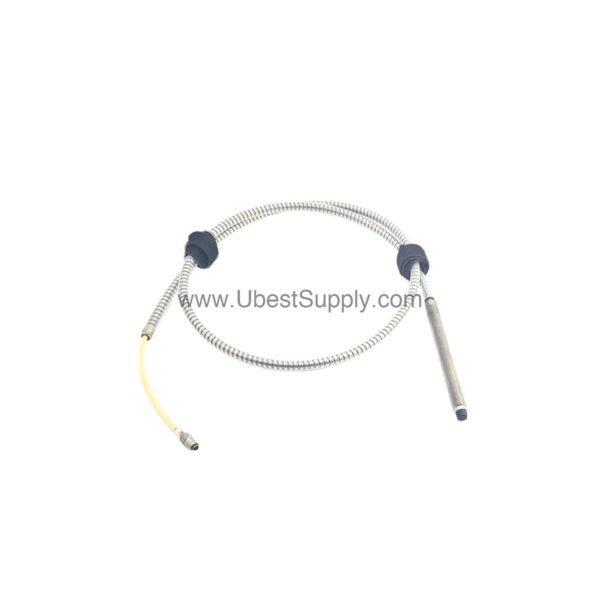
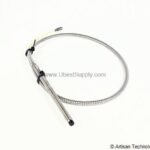
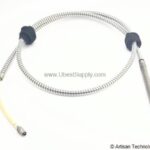
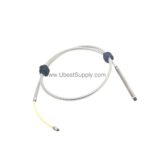
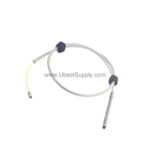
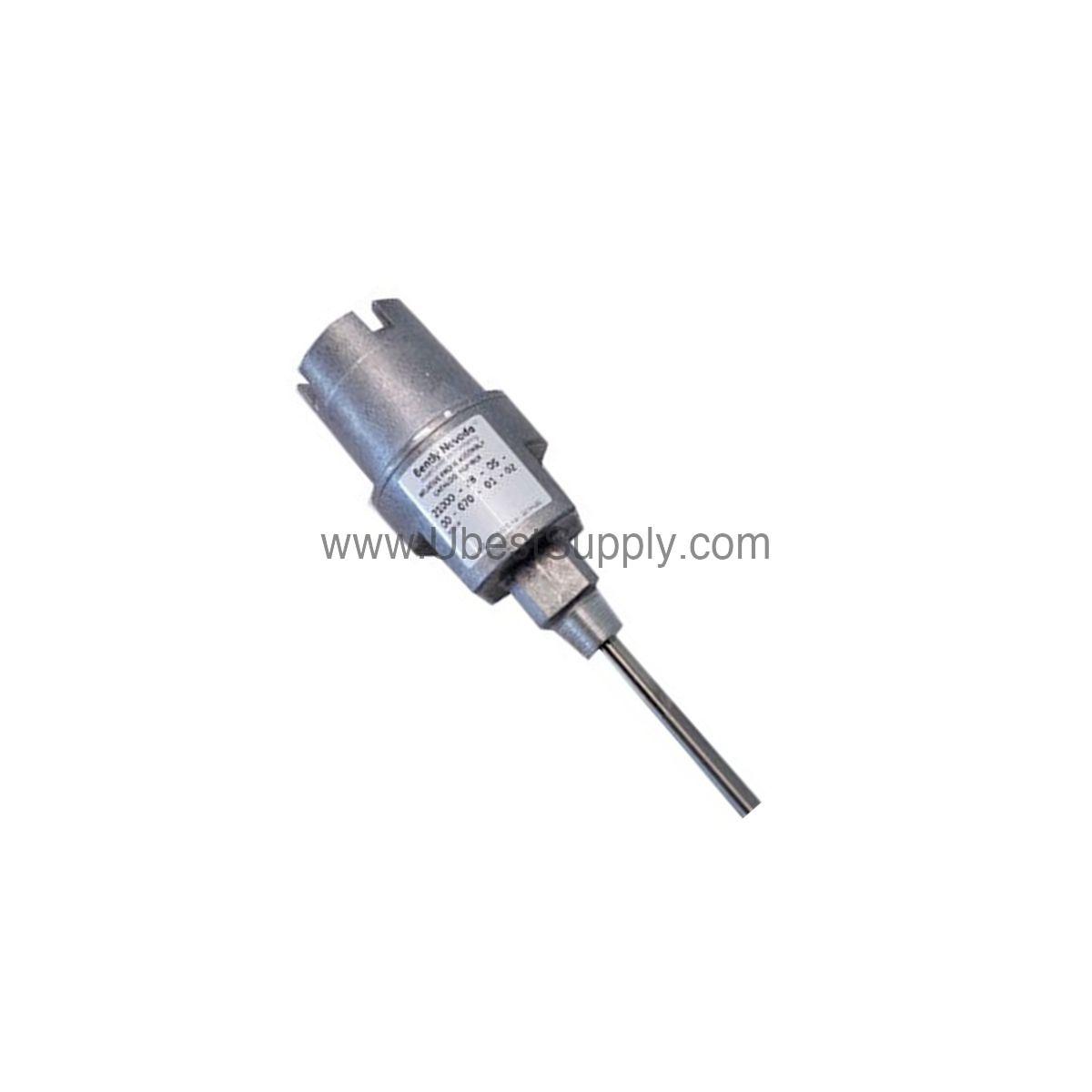
For decades, industrial rotating machinery has demanded reliable, accurate vibration measurement to prevent catastrophic failures. The 21505-24-40-10-02 from Bently Nevada represents a mature step in that evolution—a proximity probe engineered to deliver consistent, repeatable data in harsh environments. As plants moved from periodic manual checks to continuous online monitoring, the need for rugged, high-precision sensors became critical. This probe answers that need with a calibrated range of 80 mils (2.0 mm), starting at approximately 10 mils (0.25 mm) from the probe face.
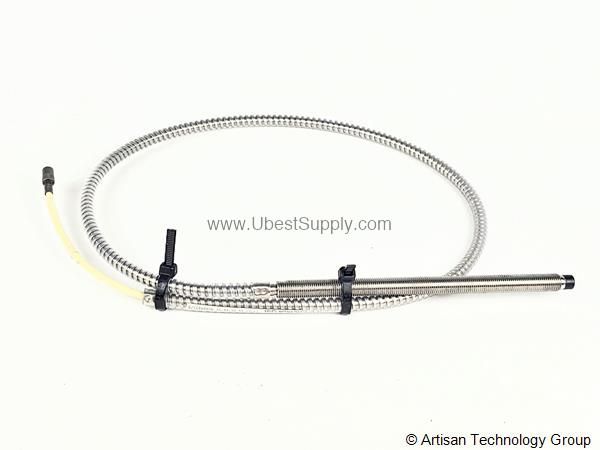
The 21505-24-40-10-02 is a Bently Nevada 7200 series proximity transducer system component. It is a probe designed to measure shaft vibration and position in rotating machinery. The part number breaks down as follows: unthreaded length of 2.4 inches, overall case length of 4.0 inches, total length of 1.0 metre (39 inches) with a tolerance of +0.25 metre / -0.10 metre, and a miniature male coaxial connector option. The probe has an 8 mm diameter and standard case with 3/8-24 threads. It includes stainless steel lead armor for durability.
One distinctive spec is the frequency response up to 10 kHz, which covers the vibration range of most high-speed rotating equipment, making it suitable for turbines, compressors, and pumps.
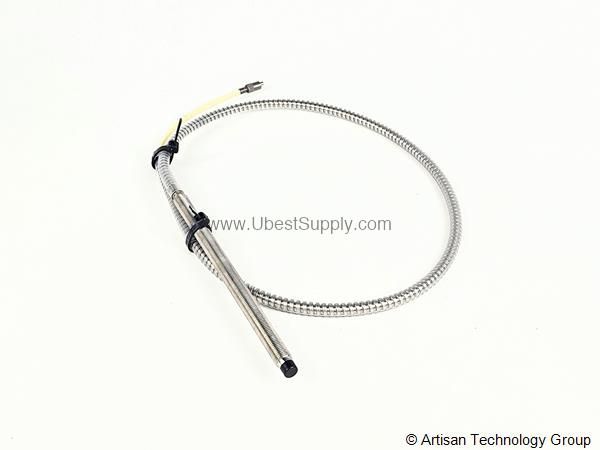
The 21505-24-40-10-02 is commonly used in machinery protection systems for critical rotating assets. For example, in a steam turbine train, this probe can monitor shaft vibration relative to the bearing housing, alerting operators to imbalance or misalignment. In addition, it is suitable for axial position monitoring, where precise gap measurement is essential. Because the probe is corrosion-resistant to air, water, lube oil, ammonium hydroxide, sulfuric acid (10%), MEK, and DMF, it performs reliably in demanding industrial environments.
Proper installation is key to accurate readings. Mount the probe using the 3/8-24 threaded case, ensuring the probe face is positioned at the recommended gap. The total length of 1.0 metre (39 inches) allows flexible routing to the Proximitor. Use the miniature male coaxial connector for a secure connection. Always follow the manufacturer's installation manual for torque and gap settings. Verify the system calibration after installation to achieve the specified scale factor.
Routine inspection of the probe and cable is recommended to ensure long-term reliability. Check for physical damage to the lead armor and connector. Keep the probe face clean and free of debris. The probe's stainless steel armor protects against wear, and its corrosion resistance extends service life. Periodic verification of the system's scale factor and linearity helps maintain measurement accuracy over time.
The 21505-24-40-10-02 is part of the Bently Nevada 7200 proximity transducer system. It is designed to work with compatible Bently Nevada Proximitors and monitoring systems. For integration details, refer to the official Bently Nevada documentation or contact Petro Auto Tech for guidance.
If readings appear unstable, first check the probe gap and cable connections. A damaged connector or cable can cause intermittent signals. Verify that the power supply is within the specified range of -17.5 Vdc to -26 Vdc. If the scale factor deviates beyond tolerance, recalibrate the system. For persistent issues, consult the manufacturer's manual.
A: The calibrated range is 80 mils (2.0 mm), beginning at approximately 10 mils (0.25 mm) from the probe face.
A: It requires -17.5 Vdc to -26 Vdc at 12 mA maximum consumption.
A: The frequency response is 0 to 10 kHz (0 to 600,000 cpm), with -5% at 10 kHz.
A: The total length is 1.0 metre (39 inches), with a tolerance of +0.25 metre / -0.10 metre.
A: The probe and extension cable operate from -30°F to +350°F (-34°C to +177°C).
The 21505-24-40-10-02 is available from Petro Auto Tech in new, original factory packing. Contact Petro Auto Tech for current availability and ordering information. Please verify lifecycle status before ordering.
| Part Number | 21505-24-40-10-02 |
| Condition | In Stock |
| Stock Status | In Stock (Ready to Ship) |
| Weight | 0.5 kg |
| Warranty | 12 Month |
Shipping Port: Xiamen
We ship worldwide via DHL, FedEx, UPS, TNT, and EMS. In-stock items are dispatched within 24 hours of payment confirmation. Tracking number will be provided after shipment.
Secure payment processing. Contact us for corporate account and bulk order pricing.
All products come with a 1-year warranty against manufacturing defects. We guarantee 100% new and original products sourced directly from authorized manufacturers.
In Stock  In Stock
  In Stock
  In Stock
  In Stock
  In Stock
  In Stock
  In Stock
 Stay informed with the latest industry insights, product announcements, and technical articles.