What Makes the 1766-L32BWA a Reliable Choice for Machine-Level Automation?
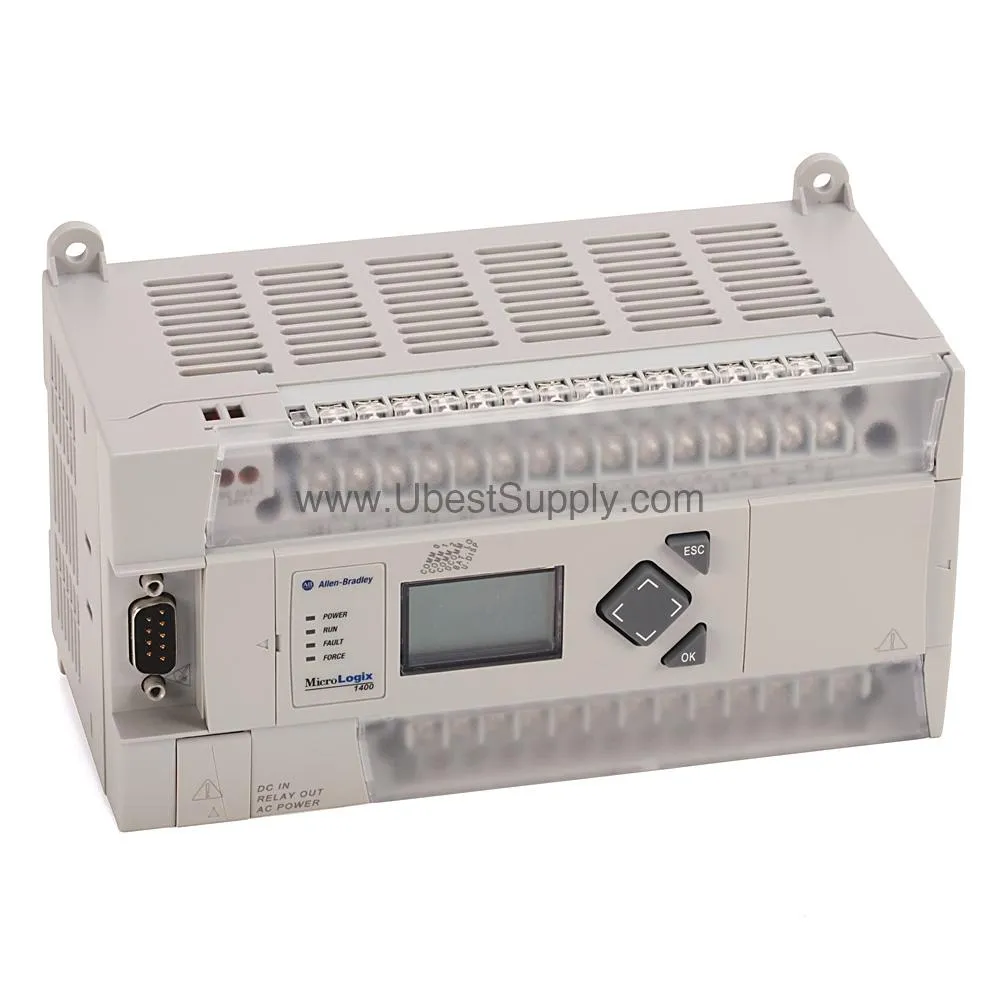
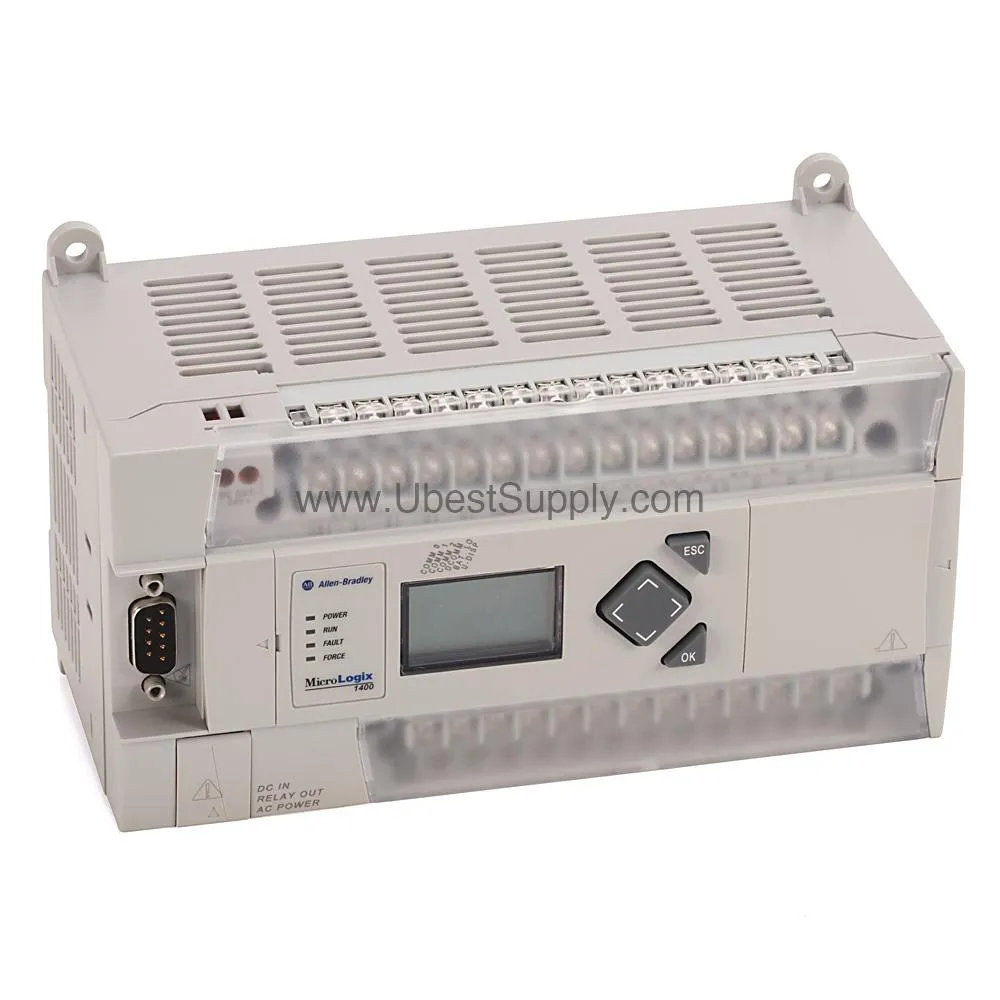
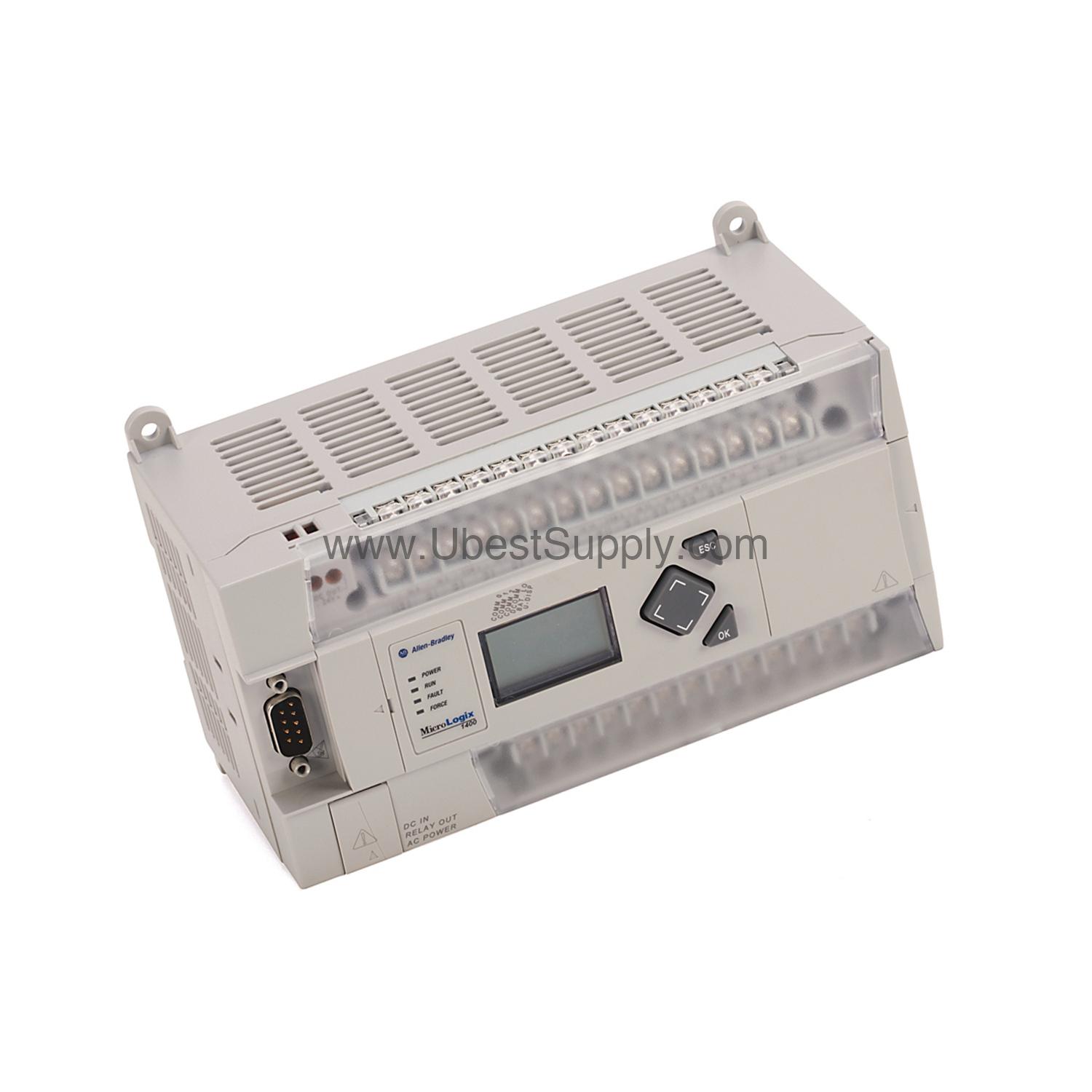
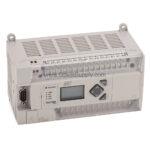
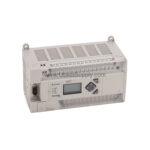
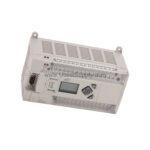
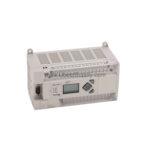
When industrial processes demand a compact yet powerful controller, the 1766-L32BWA from Allen-Bradley provides an effective solution. As part of the MicroLogix 1400 series, this controller integrates 32 I/O points, including 20 digital inputs and 12 relay outputs. It supports 100 to 240 VAC input power and operates at 47-63 Hz. The 1766-L32BWA is designed for small processes and machine-level automation, offering built-in communication ports for flexible connectivity.
Core Specs and Performance Metrics of the 1766-L32BWA
- The 1766-L32BWA features 20 digital inputs (12 fast 24V DC and 8 normal 24V DC) and 12 relay outputs.
- It has 20 KB of memory for user programs and data.
- Power consumption is 120 VA, with an inrush current of 25 A for 8 ms at 120V AC and 40 A for 4 ms at 240V AC.
- The controller includes a built-in real-time clock (RTC) for time-based control applications.
- Resolution is 12-bit for analog processing, though no analog input range is specified.
- Dimensions are 90 x 180 x 87 mm (3.5 x 7.087 x 3.43 in), and it weighs 2 lbs.
One distinctive spec is the 20 KB memory, which supports moderate program complexity for small to medium automation tasks. This memory size allows users to implement ladder logic and function blocks effectively.
Installation and Mounting Options for the 1766-L32BWA
Installing the 1766-L32BWA is straightforward with panel mounting or DIN rail options. The controller requires 100 to 240 VAC input power and uses wire sizes from 22 to 14 AWG. For communication, it has one RS232/RS485 combo port, one isolated RS232 port, and one Ethernet port. Cable length for serial connections is up to 30 meters. Ensure the enclosure is clean and dry, and circuits do not exceed Over Voltage Category II.
Integration and Protocol Support
The 1766-L32BWA supports multiple protocols for seamless integration. Serial protocols include DF1, ASCII, MODBUS RTU, DNP3, and DH485. Ethernet protocols include Ethernet I/P, DNP3, and MODBUS TCP/IP. This versatility allows connection to various devices like power meters and IEDs. For MODBUS RTU over RS485, up to 32 devices can be connected in a daisy chain topology. The Ethernet port enables linear topology for multiple devices.
Maintenance and Reliability Tips
Regular inspection of the 1766-L32BWA helps maintain reliability. Check connections and verify that the power supply remains within 100 to 240 VAC. The relay outputs have a mechanical life that depends on switching frequency and load. Keep the controller in a clean, dry environment to prevent dust buildup. For battery-backed RAM, replace the battery as per the manufacturer's schedule to retain programs.
Common Questions About the 1766-L32BWA
Q: What is the power consumption of the 1766-L32BWA?
A: The power consumption is 120 VA, with an inrush current of 25 A for 8 ms at 120V AC and 40 A for 4 ms at 240V AC.
Q: How many communication ports does the 1766-L32BWA have?
A: It has three ports: one RS232/RS485 combo port, one isolated RS232 port, and one Ethernet port.
Q: Can the 1766-L32BWA be expanded with additional I/O?
A: Yes, it supports up to seven 1762 expansion I/O modules.
Q: What protocols does the 1766-L32BWA support?
A: It supports serial protocols DF1, ASCII, MODBUS RTU, DNP3, DH485, and Ethernet protocols Ethernet I/P, DNP3, MODBUS TCP/IP.
Q: What is the memory size of the 1766-L32BWA?
A: It has 20 KB of memory for user programs and data.
Product Support and Availability
The 1766-L32BWA is a discontinued product. Please verify current lifecycle status and availability with Petro Auto Tech before ordering. Petro Auto Tech offers this controller for industrial automation needs.

 In Stock