 In Stock
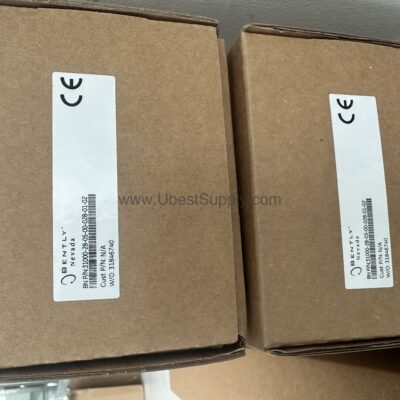
 31000-28-10-00-015-03-02 | Bently Nevada 1.0m Cable 31000 Proximity Probe Housing
31000-28-10-00-015-03-02
The Bently Nevada 31000-28-10-00-015-03-02 proximity probe housing offers a 1.0m cable, 1.5in...

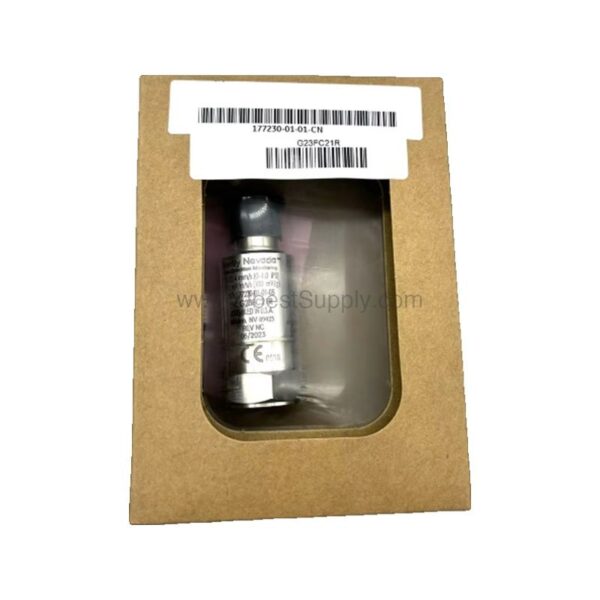
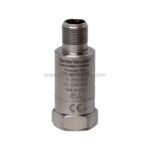
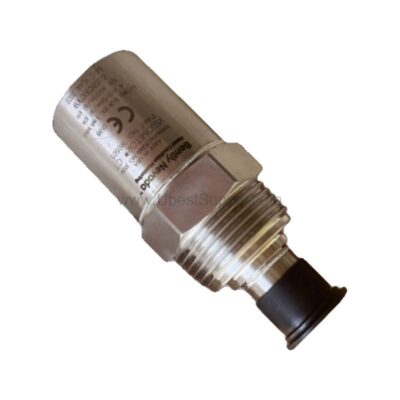
When machine vibration threatens uptime, the 177230-00-01-CN from Bently Nevada provides a dependable solution. This seismic transmitter converts vibration into a standard 4-20 mA signal, enabling seamless integration with PLCs, DCS, and SCADA systems. Designed for continuous monitoring, it helps you detect issues early and avoid costly downtime.
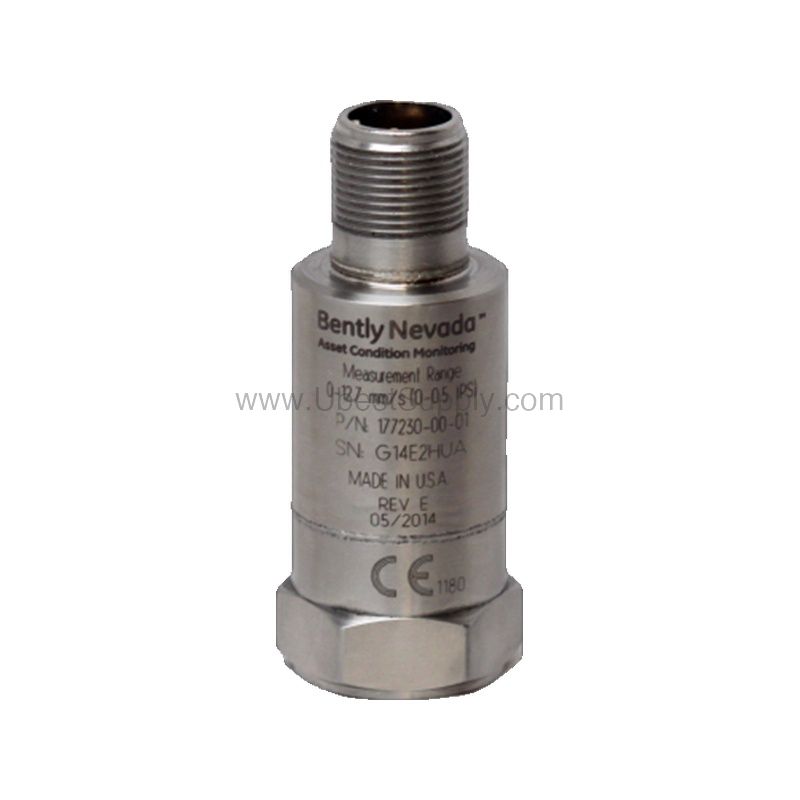
The 177230-00-01-CN is engineered for accuracy and durability. Its key specifications include:
One distinctive feature is the hermetically sealed sensor, which ensures reliable operation even in 100% non-submerged humidity. This makes the transmitter suitable for harsh industrial environments.
In rotating machinery, the 177230-00-01-CN helps monitor vibration levels continuously. It is ideal for fans, pumps, motors, and gearboxes where early detection of imbalance or bearing wear can prevent catastrophic failures. By providing a standardized 4-20 mA signal, it simplifies integration into existing control systems, reducing installation complexity and cost.
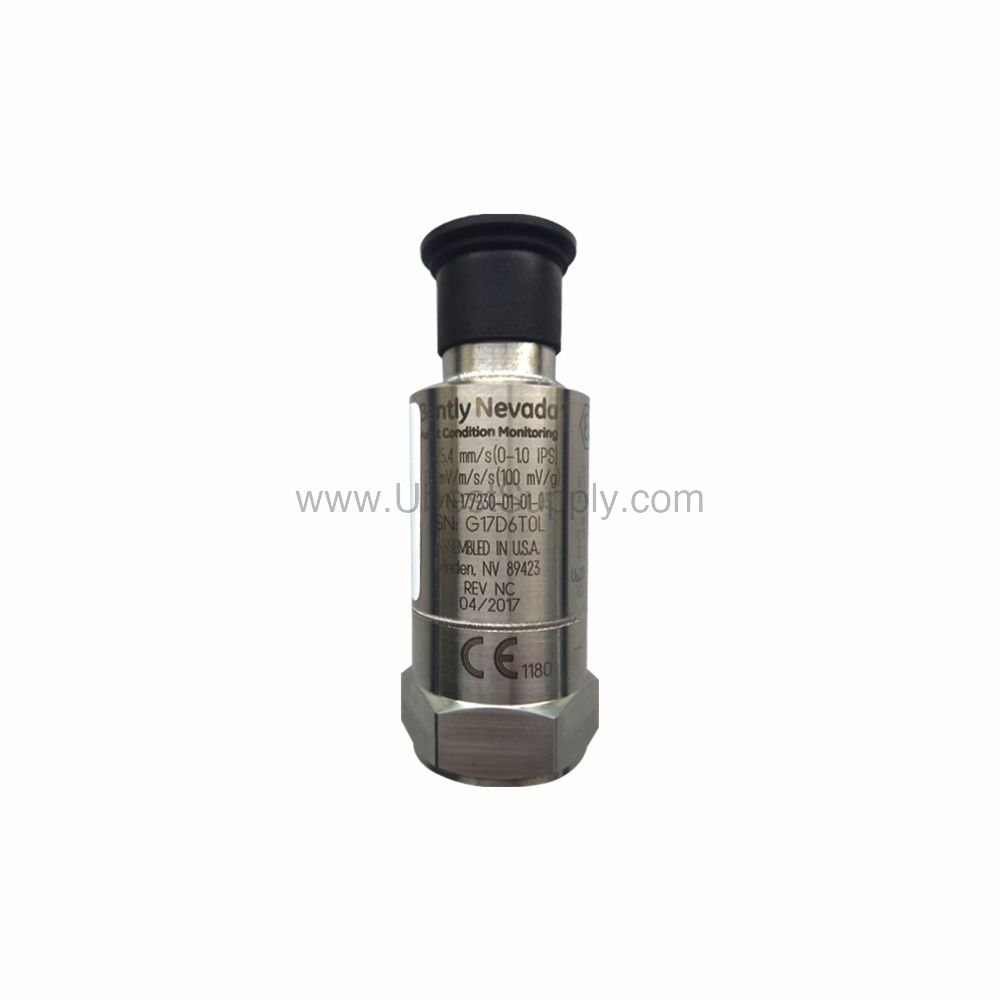
Mounting the transmitter is straightforward. The 1/4-28 UNF mounting hole and M6 x 1 SI or M8 x 1.25 SI threads offer flexibility. Recommended mounting torque is 4 to 7 N-m (35.4 to 62.0 in-lbf). The 3-pin MIL-C-5015 connector ensures secure wiring: Pin A for 4-20 mA positive loop, Pin B for loop return, and Pin C for dynamic acceleration signal.
With no moving parts and a rugged 316L stainless steel case, the 177230-00-01-CN requires minimal maintenance. Periodic inspection of the connector and cable is recommended to ensure signal integrity. The transmitter's high shock survivability (9.810 m/s²) and magnetic field sensitivity of less than 20 μm/s/gauss make it robust for industrial settings.
This transmitter is designed for use with PLCs, DCS, and SCADA systems that have internal power supplies current-limited to 30-35 mA. The 4-20 mA output is universally accepted, making it easy to interface with most monitoring equipment. For detailed integration guidance, refer to the official Bently Nevada documentation.
A: The measurement range is 0 to 12.7 mm/s (0 to 0.5 in/s) RMS, with a full-scale accuracy of ±10%.
A: It provides a 4-20 mA current loop output from Pin A to Pin B, proportional to the RMS vibration level.
A: Yes, it is rated for up to 100% relative humidity, non-submerged, thanks to its hermetically sealed sensor.
A: The recommended mounting torque is 4 to 7 N-m (35.4 to 62.0 in-lbf).
The 177230-00-01-CN is available through Petro Auto Tech. Contact our team for current availability and lifecycle status. We are ready to assist with your vibration monitoring needs.
| Part Number | 177230-00-01-CN |
| Condition | In Stock |
| Stock Status | In Stock (Ready to Ship) |
| Weight | 0.5 kg |
| Warranty | 12 Month |
Shipping Port: Xiamen
We ship worldwide via DHL, FedEx, UPS, TNT, and EMS. In-stock items are dispatched within 24 hours of payment confirmation. Tracking number will be provided after shipment.
Secure payment processing. Contact us for corporate account and bulk order pricing.
All products come with a 1-year warranty against manufacturing defects. We guarantee 100% new and original products sourced directly from authorized manufacturers.
In Stock 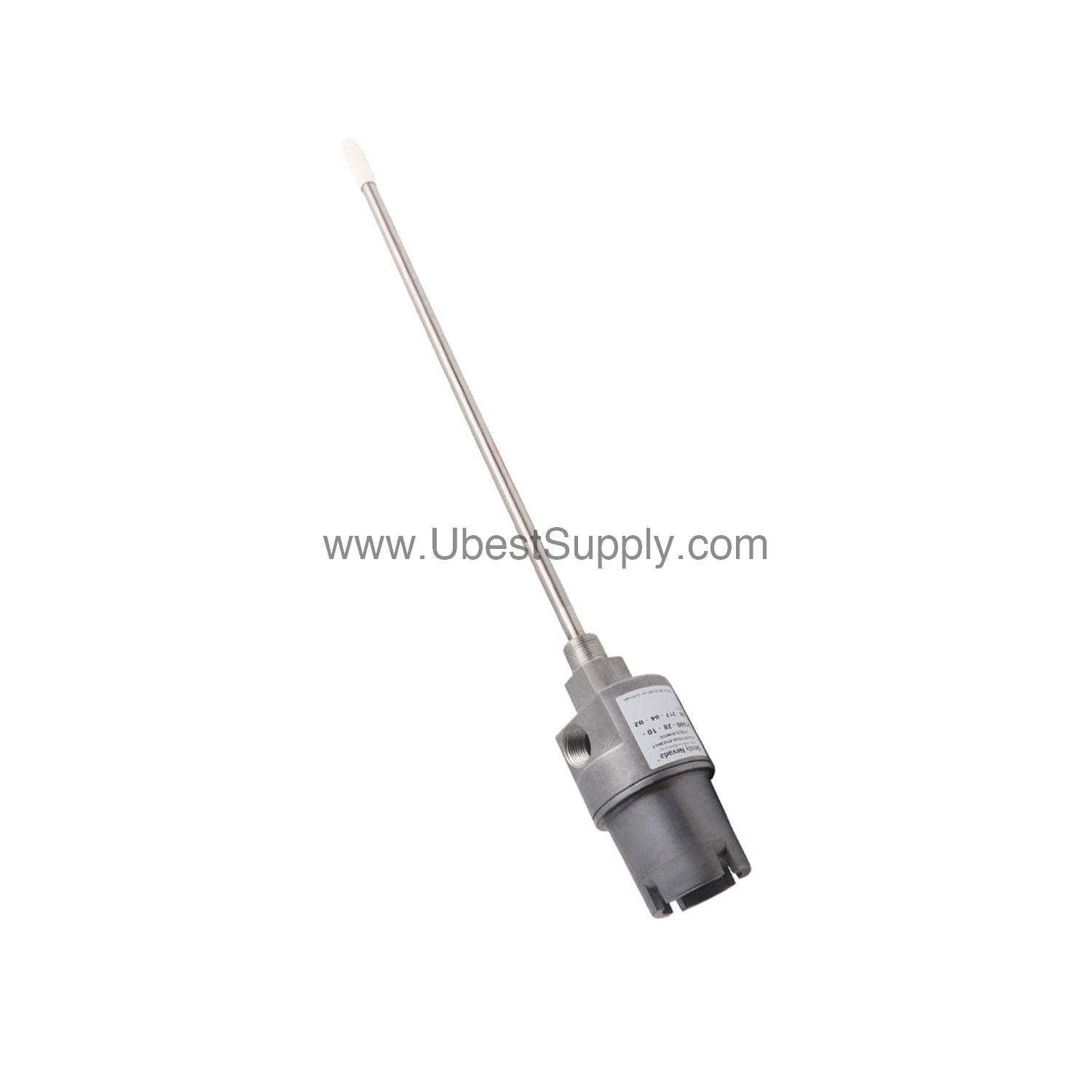 In Stock
  In Stock
  In Stock
  In Stock
  In Stock
  In Stock
  In Stock
 Stay informed with the latest industry insights, product announcements, and technical articles.