 In Stock
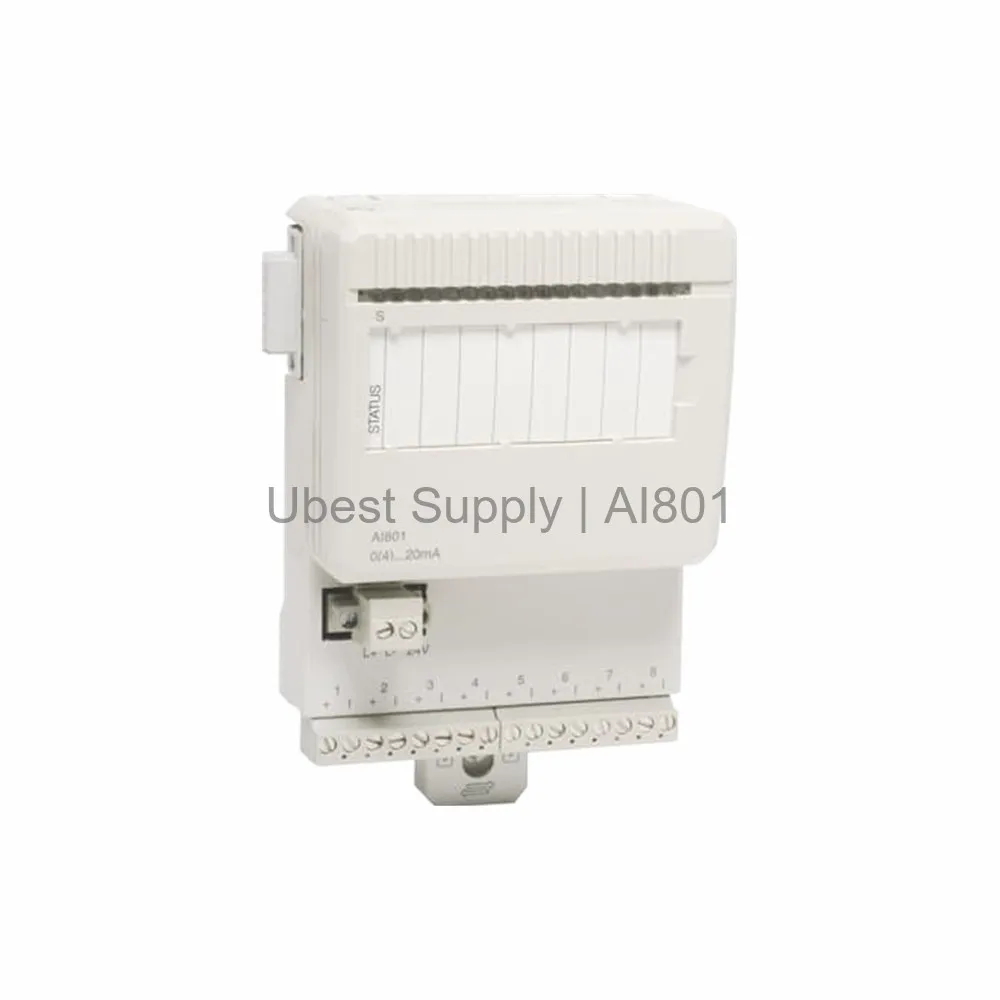
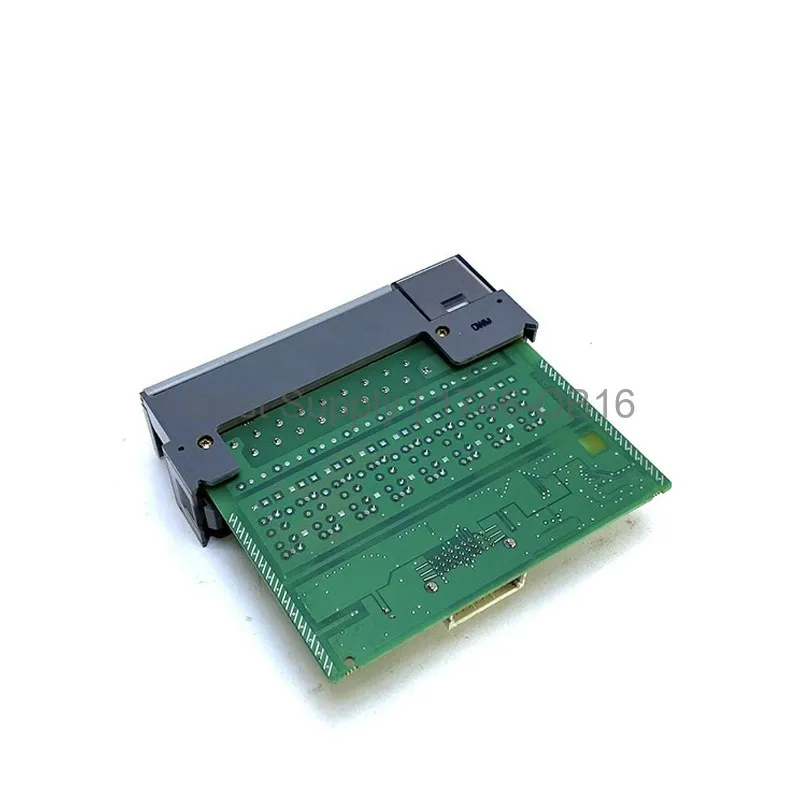
 ABB AI801 Analog Input Module 8-Channel 12 Bit 3BSE020512R1
AI801
The ABB AI801 is an 8-channel analog input module for 0-20 mA...

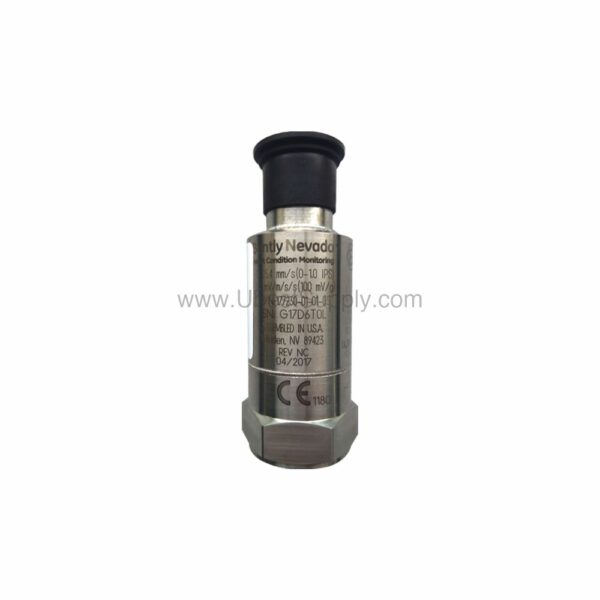
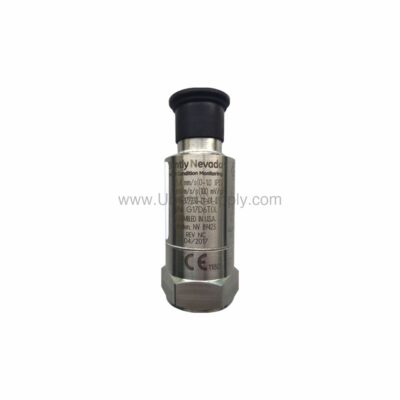
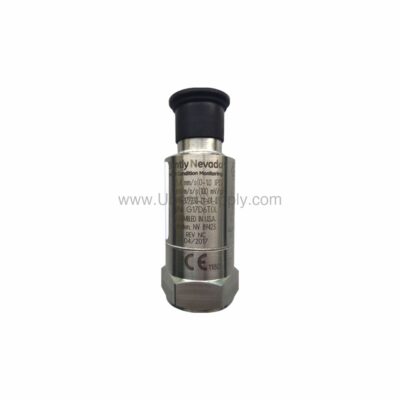
For decades, industrial plants have relied on vibration monitoring to protect rotating machinery. Early systems used simple analog meters, but modern facilities demand precise, continuous data. The 177230-01-02-05 from Bently Nevada represents this evolution, combining a seismic sensor and transmitter in one rugged package. It converts vibration levels into a standard 4-20 mA signal, ready for your PLC, DCS, or SCADA system.
This article explores the features, applications, and benefits of the 177230-01-02-05, helping you decide if it fits your monitoring needs.
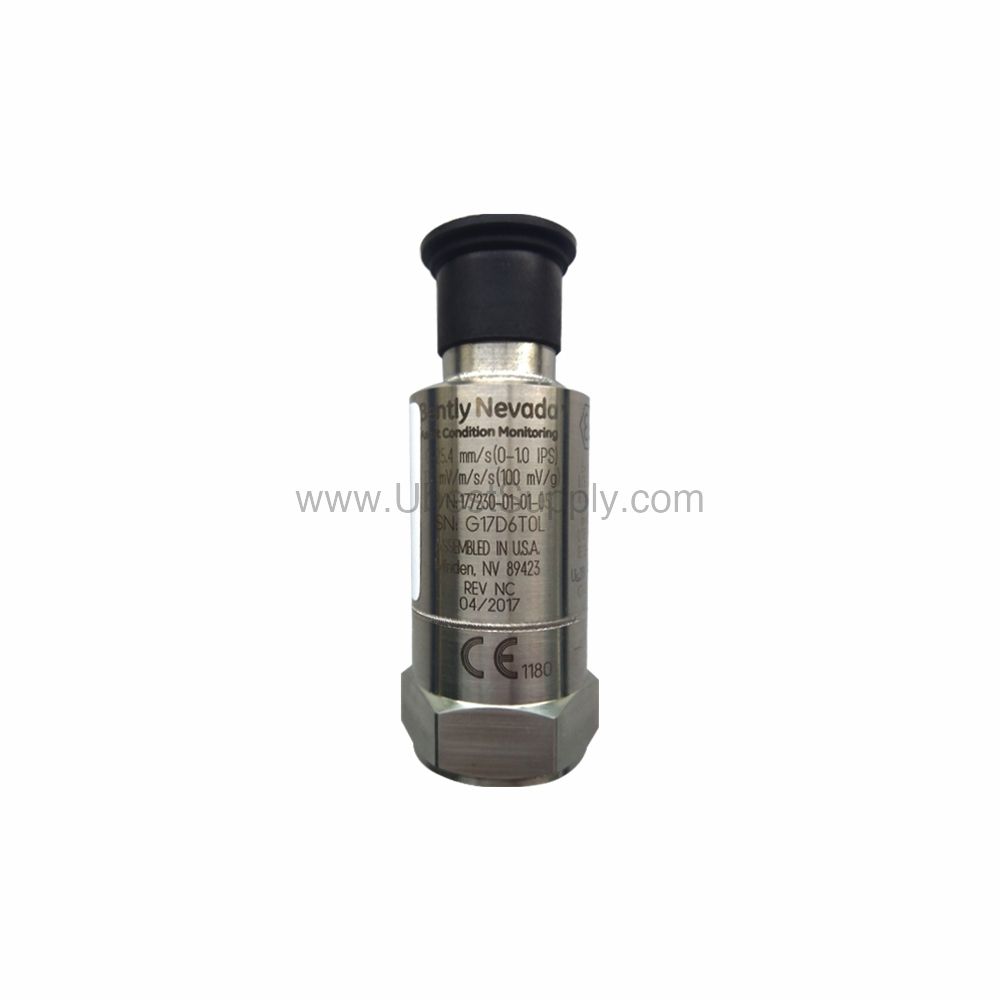
The 177230-01-02-05 is a seismic transmitter designed for continuous vibration monitoring. Below are its core specifications, all traceable to the manufacturer's datasheet.
The 177230-01-02-05 also features a settling time of less than 15 seconds within 2% of final value, a mounted resonant frequency greater than 12 kHz, and transverse sensitivity less than 5% of sensitivity. These specs ensure accurate, reliable readings in demanding environments.
Thanks to its robust design and standard output, the 177230-01-02-05 is ideal for continuous vibration monitoring on fans, pumps, motors, and other rotating equipment. It integrates seamlessly with existing control systems, providing real-time data for predictive maintenance. For example, in a chemical plant, the transmitter can alert operators to bearing wear before catastrophic failure, reducing downtime and repair costs. Its ATEX/IECEx approvals also make it suitable for hazardous areas where explosive atmospheres may be present.
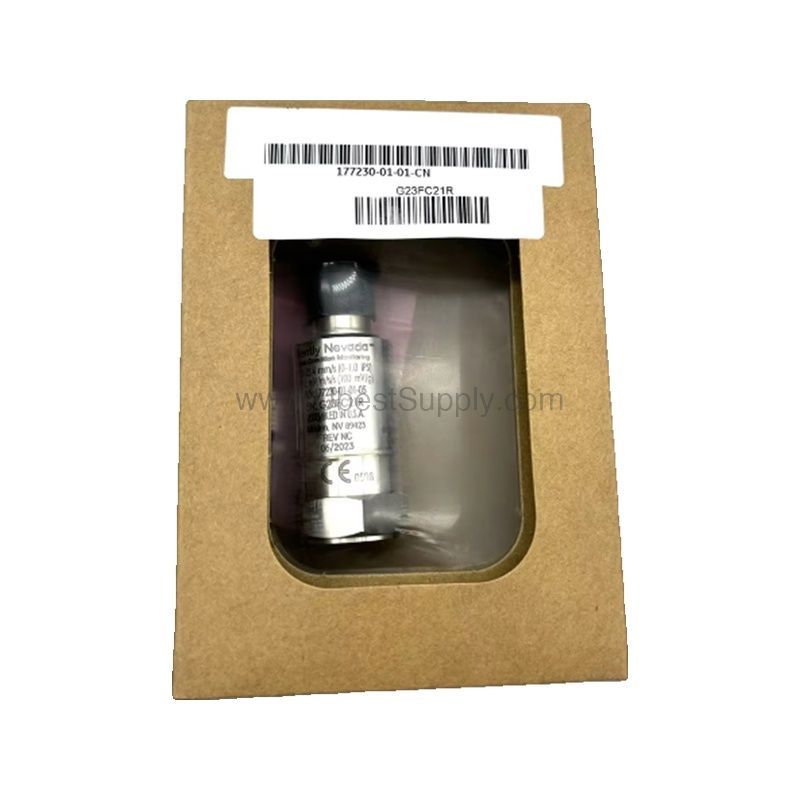
Mounting the 177230-01-02-05 is straightforward. The unit features a 1/4-28 UNF mounting hole, and optional M6 x 1 or M8 x 1.25 SI threads are available. Recommended mounting torque is 4 to 7 N-m (35.4 to 62.0 in-lbf). Ensure the mounting surface is clean and flat for optimal coupling. The 3-pin MIL-C-5015 connector simplifies wiring: Pin A is the 4-20 mA positive loop, Pin B is the loop return, and Pin C provides an unbuffered dynamic acceleration signal. Always follow the manufacturer's manual for detailed wiring and configuration.
With a hermetically sealed sensor and 316L stainless steel case, the 177230-01-02-05 is built for long-term reliability. Its electrical isolation is greater than 10^8 ohms, and it can withstand isolation breakdown voltage of 600 Vrms with less than 1 mA leakage. Routine maintenance is minimal: periodically inspect the mounting integrity and connector condition. Because the transmitter is sealed, there are no user-serviceable parts. For safety, always follow the manufacturer's guidelines for inspection and verification.
The 177230-01-02-05 is designed for use with PLCs, DCS, and SCADA systems that have internal power supplies typically current-limited to 30-35 mA. Its 4-20 mA output is universally accepted, making integration straightforward. The dynamic signal on Pin C can be used for additional analysis if your system supports it. This compatibility reduces engineering effort and speeds up deployment.
Investing in the 177230-01-02-05 offers significant long-term value. By providing continuous vibration data, it enables predictive maintenance, preventing unexpected equipment failures that lead to costly downtime. The rugged construction and hermetically sealed sensor extend service life, reducing replacement frequency. With multiple approvals, it can be deployed across various sites without additional certification costs. Overall, the 177230-01-02-05 delivers a strong return on investment through improved reliability and reduced maintenance expenses.
A: The measurement range is 0 to 25.4 mm/s (0 to 1.0 in/s) peak.
A: It provides a 4-20 mA current loop signal proportional to peak vibration levels.
A: The excitation voltage is 12 to 30 Vdc, current limited to 40 mA.
A: Yes, it has multiple approvals including ATEX/IECEx and CSA/NRTL/C.
A: The operating temperature range is -40°C to +85°C (-40°F to +185°F).
The 177230-01-02-05 is available through Petro Auto Tech. Contact our team for current pricing and lead times. We are ready to help you integrate this reliable vibration monitoring solution into your operation.
| Part Number | 177230-01-02-05 |
| Condition | In Stock |
| Stock Status | In Stock (Ready to Ship) |
| Weight | 0.5 kg |
| Warranty | 12 Month |
Shipping Port: Xiamen
We ship worldwide via DHL, FedEx, UPS, TNT, and EMS. In-stock items are dispatched within 24 hours of payment confirmation. Tracking number will be provided after shipment.
Secure payment processing. Contact us for corporate account and bulk order pricing.
All products come with a 1-year warranty against manufacturing defects. We guarantee 100% new and original products sourced directly from authorized manufacturers.
In Stock  In Stock
  In Stock
  In Stock
  In Stock
  In Stock
  In Stock
  In Stock
 Stay informed with the latest industry insights, product announcements, and technical articles.