 In Stock
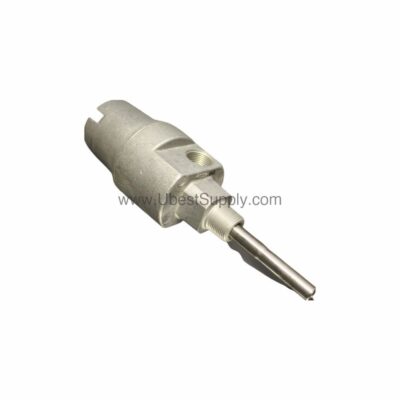
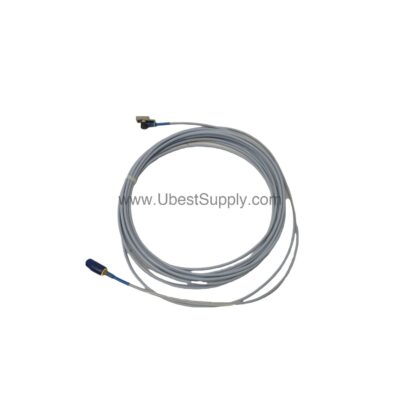
 24701-28-05-00-040-00-01 | Bently Nevada 4 in Probe Housing Assembly
24701-28-05-00-040-00-01
The 24701-28-05-00-040-00-01 Bently Nevada proximity probe housing assembly offers a 4-inch probe...

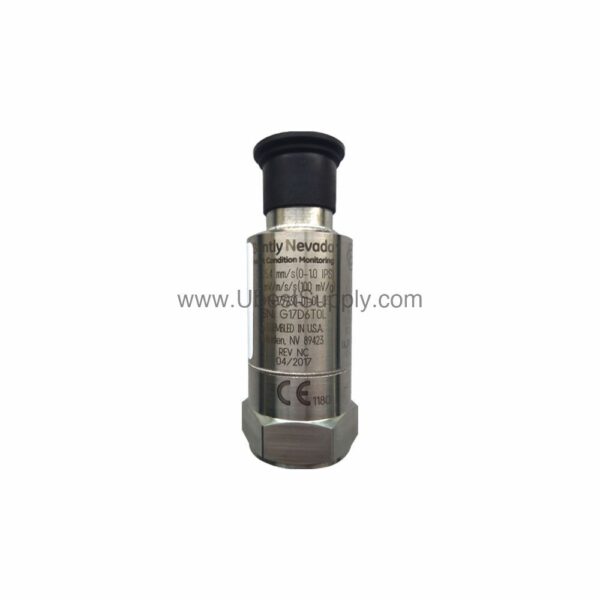
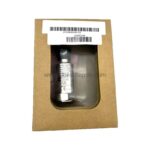
When machinery vibration threatens uptime, the 177230-02-02-05 from Bently Nevada provides accurate, real-time data. This seismic transmitter converts vibration into a standard 4-20 mA signal for integration with PLCs, DCS, and SCADA systems. Its rugged design suits demanding industrial environments.
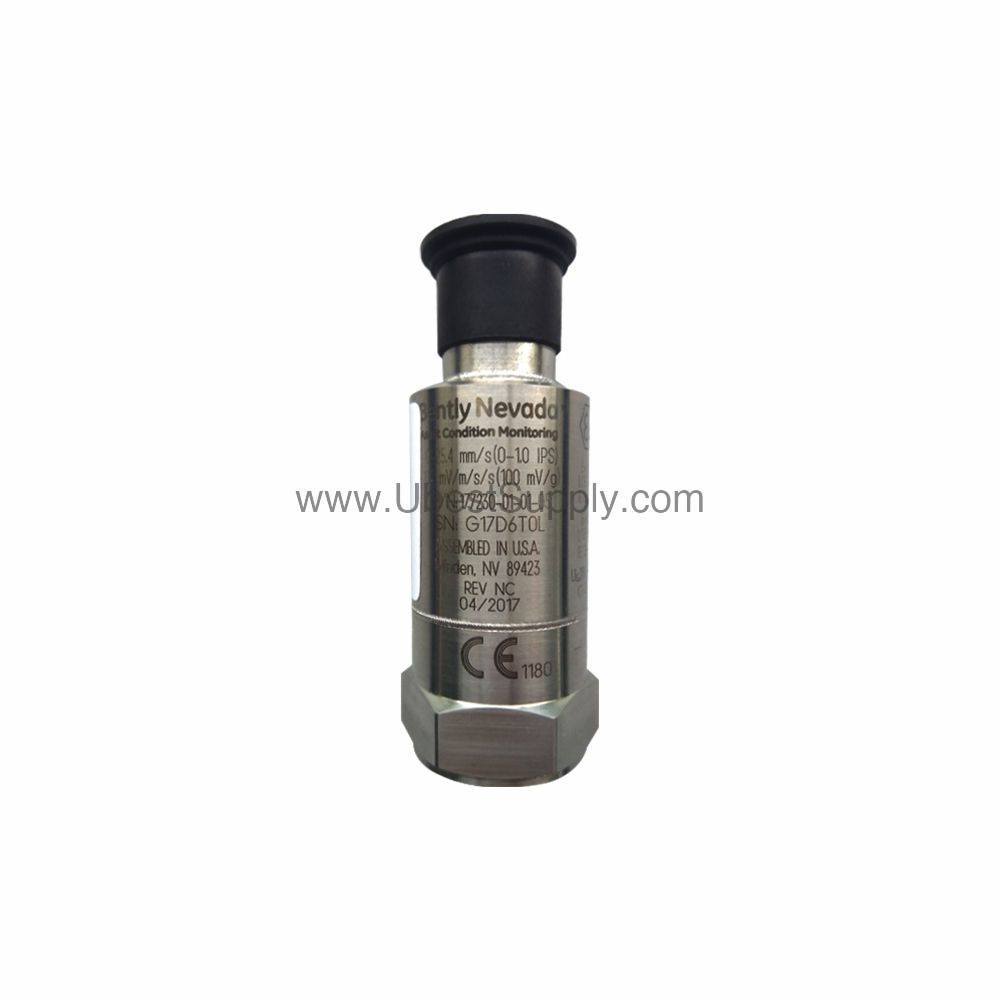
These specifications ensure reliable performance in vibration monitoring applications.
This transmitter suits rotating machinery such as pumps, fans, and motors. It provides continuous vibration data to control systems, enabling predictive maintenance. For example, in a chemical plant, the 177230-02-02-05 can alert operators to bearing wear before failure. Its 4-20 mA output simplifies integration with existing automation infrastructure.
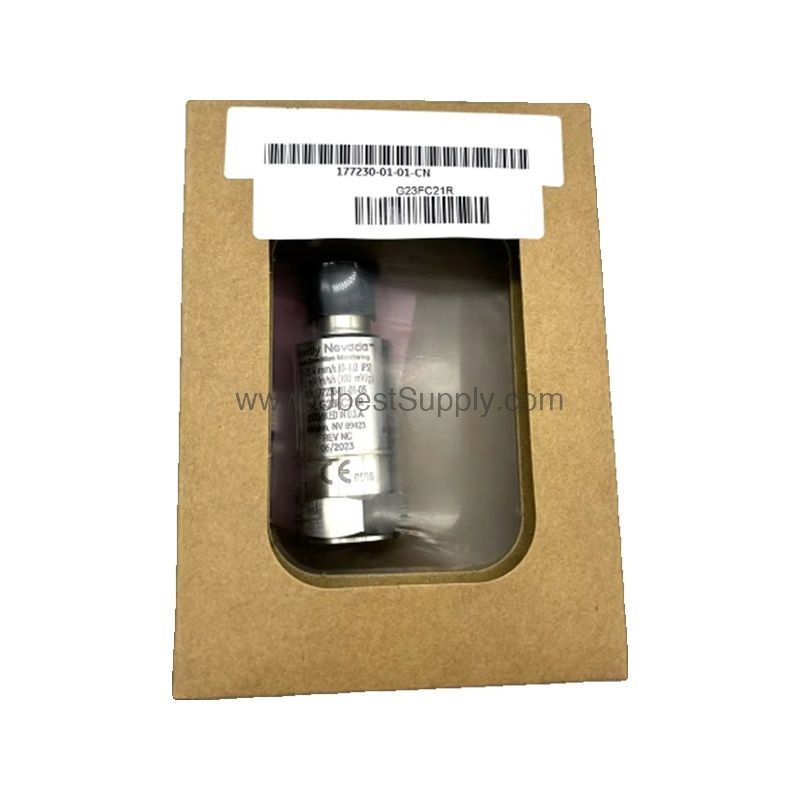
Mount the transmitter securely using the 1/4-28 UNF hole. Apply the specified mounting torque of 4 to 7 N-m (35.4 to 62.0 in-lbf). Connect Pin A to the positive loop and Pin B to the loop return. Ensure the excitation voltage is within 12 to 30 Vdc. The unit is hermetically sealed, so no special handling is required.
Periodically inspect the mounting and connector for tightness. Verify the output signal matches expected vibration levels. The 316L stainless steel case resists corrosion, extending service life. With no moving parts, this transmitter requires minimal maintenance, reducing downtime.
The 4-20 mA output is universally compatible with PLCs, DCS, and SCADA systems that have internal power supplies current-limited to 30-35 mA. This makes the 177230-02-02-05 easy to add to existing monitoring loops.
If the output is zero, check the loop wiring and excitation voltage. If the signal is erratic, verify the mounting torque and connector integrity. For persistent issues, consult the Bently Nevada manual or contact Petro Auto Tech.
A: The measurement range is 0 to 50.8 mm/s (0 to 2.0 in/s) peak.
A: It provides a 4-20 mA current loop output from Pin A to Pin B.
A: The operating temperature range is -40°C to +85°C (-40°F to +185°F).
A: Yes, it has multiple approvals including CSA/NRTL/C and ATEX/IECEx.
A: Connect Pin A to the positive loop, Pin B to the loop return, and Pin C for the dynamic signal.
The Bently Nevada 177230-02-02-05 is available from Petro Auto Tech. Contact our team for current stock and delivery options. We are ready to support your vibration monitoring needs.
| Part Number | 177230-02-02-05 |
| Condition | In Stock |
| Stock Status | In Stock (Ready to Ship) |
| Weight | 0.5 kg |
| Warranty | 12 Month |
Shipping Port: Xiamen
We ship worldwide via DHL, FedEx, UPS, TNT, and EMS. In-stock items are dispatched within 24 hours of payment confirmation. Tracking number will be provided after shipment.
Secure payment processing. Contact us for corporate account and bulk order pricing.
All products come with a 1-year warranty against manufacturing defects. We guarantee 100% new and original products sourced directly from authorized manufacturers.
In Stock  In Stock
  In Stock
  In Stock
  In Stock
  In Stock
 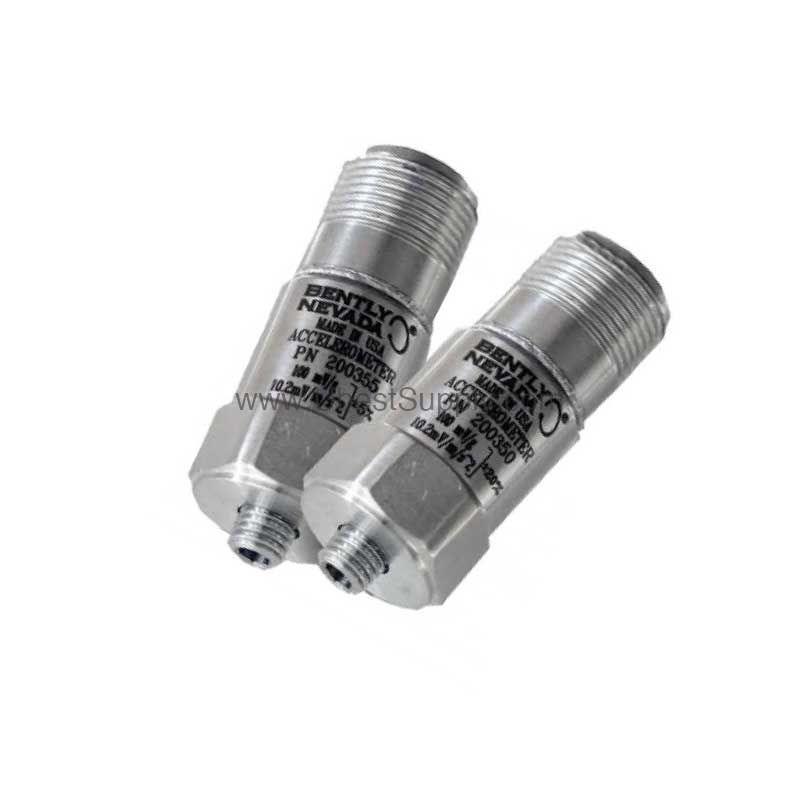 In Stock
 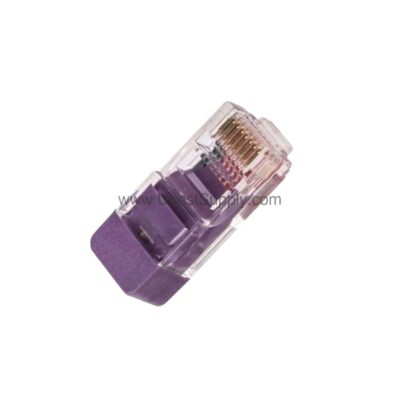 In Stock
 Stay informed with the latest industry insights, product announcements, and technical articles.