 In Stock
 Allen-Bradley 1771-IL Analog Input Module - 8 Isolated Channels
1771-IL
The 1771-IL is an eight-channel isolated analog input module for Allen-Bradley PLC5...

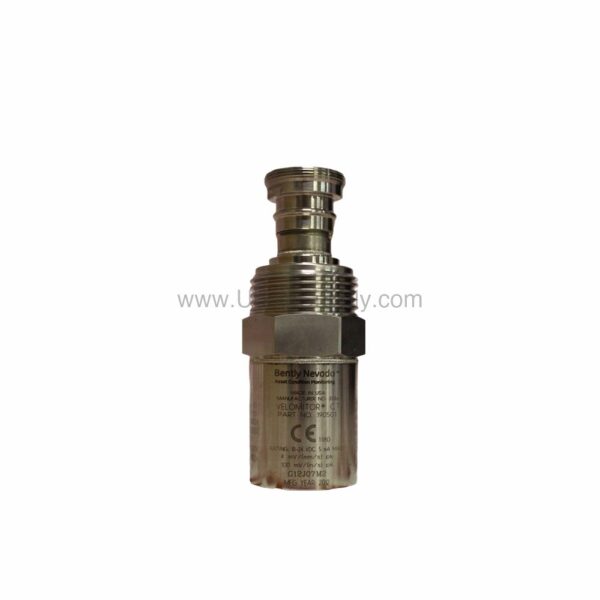
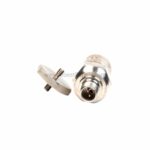
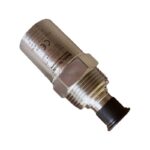
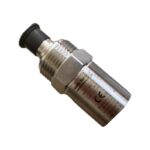
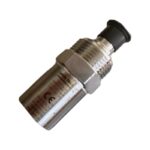
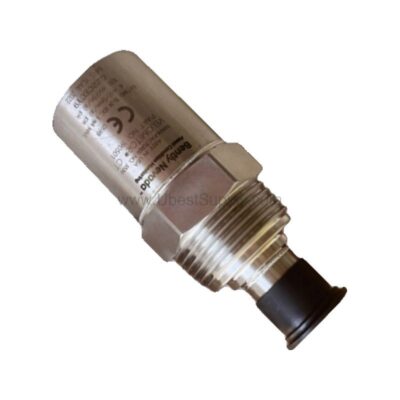
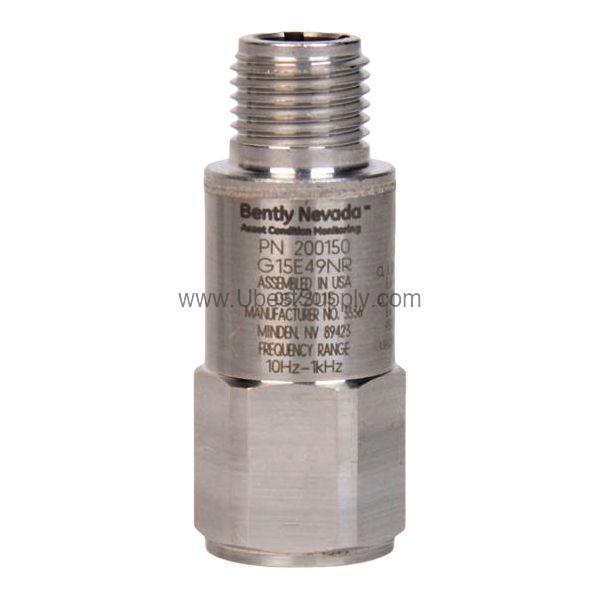
When machinery vibration threatens uptime, the 190501-00-00-04 from Bently Nevada provides the reliable data you need. This Velomitor CT velocity transducer is engineered for continuous monitoring in demanding industrial environments. With a sensitivity of 3.94 mV/mm/s (±5%), it accurately captures vibration velocity, enabling early detection of mechanical faults.
Part of the trusted Bently Nevada family, this transducer is built to deliver consistent performance. Its robust design and agency approvals make it a dependable choice for critical rotating equipment.
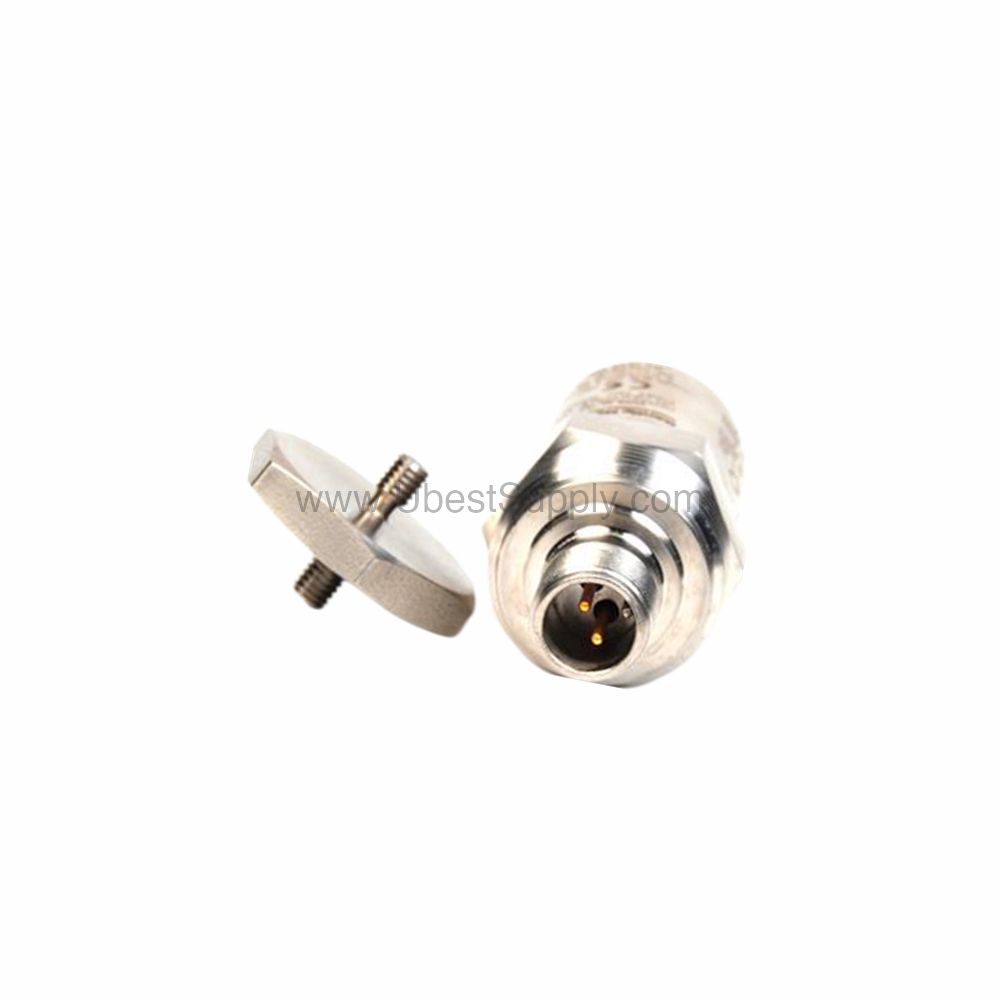
The 190501-00-00-04 offers a range of features that ensure precise and reliable operation. Below are the key specifications:
One standout feature is the intrinsic safety certification (Ex ia IIC T4, AEx ia IIC T4), which allows installation in hazardous areas. This makes the transducer suitable for oil, gas, and chemical applications where explosive atmospheres are a concern.
The 190501-00-00-04 is ideal for monitoring rotating machinery such as pumps, motors, fans, and turbines. Its wide frequency response and high accuracy enable effective vibration analysis, helping to prevent unplanned downtime. For example, in a petrochemical plant, this transducer can be installed on a critical pump to detect bearing wear early, allowing maintenance teams to schedule repairs before failure occurs. Additionally, its robust construction and agency approvals make it a preferred choice for hazardous area installations.
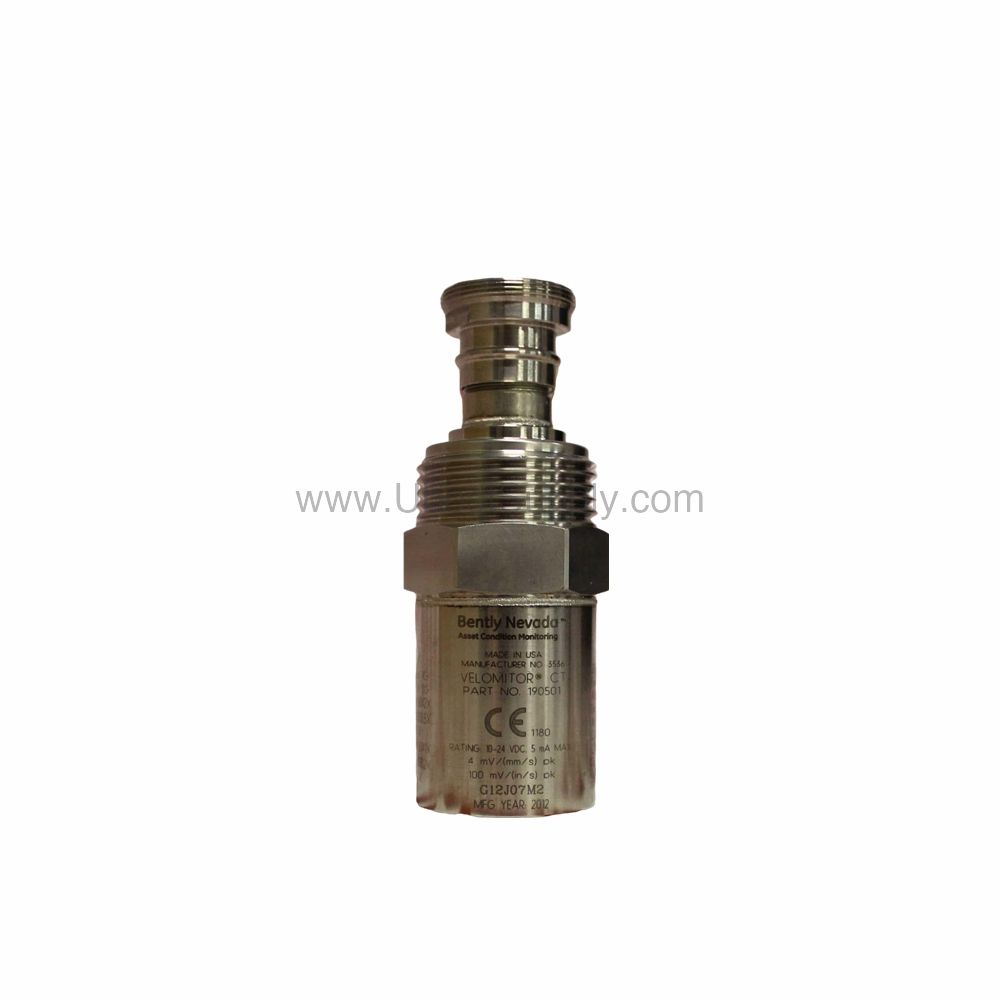
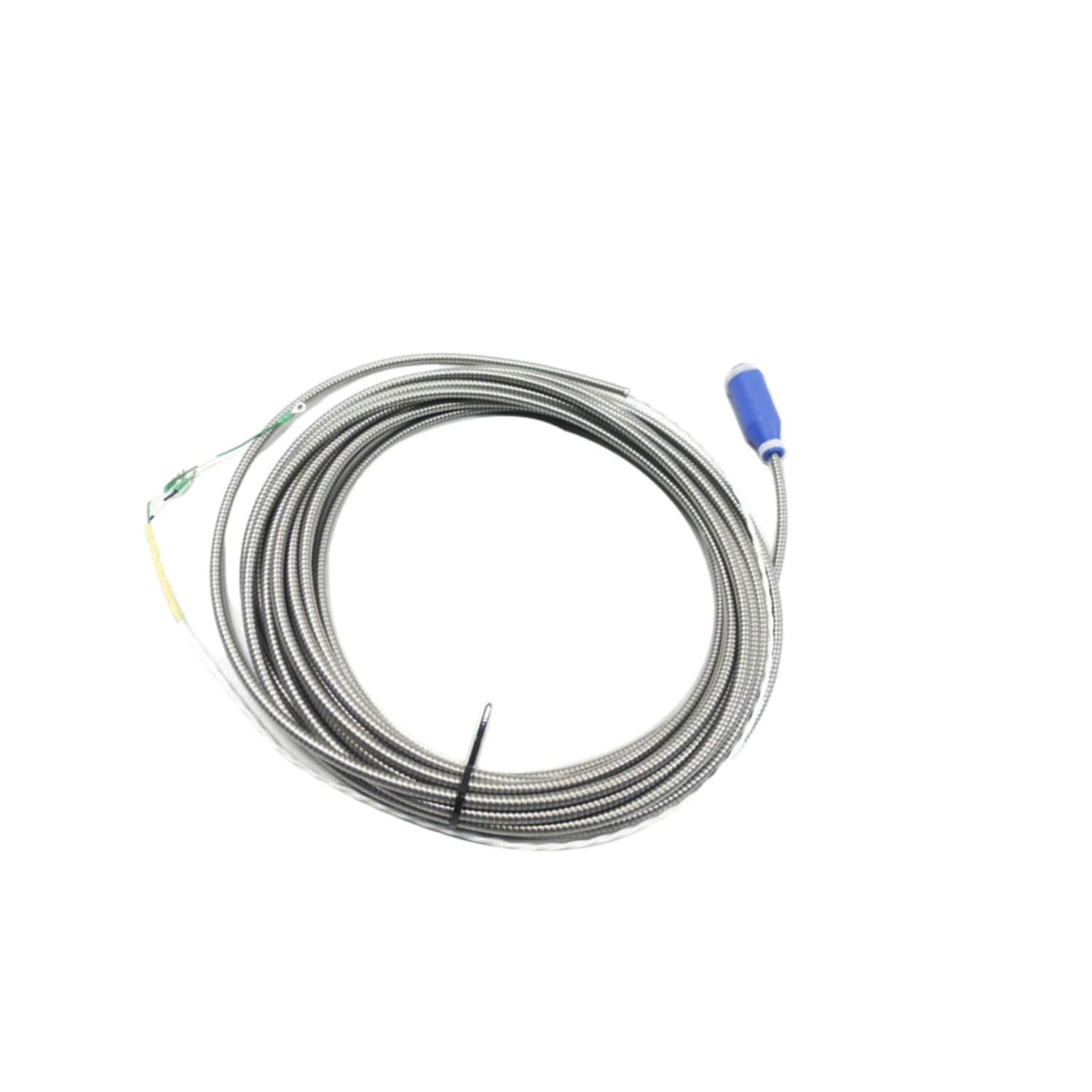
Proper installation is crucial for accurate readings. The transducer can be mounted in any orientation, offering flexibility. Use the specified mounting torque of 4.5 N-m ± 0.6 N-m (40 in-lbf ± 5 in-lbf) to secure it. The 2-pin MIL-C5015 connector simplifies wiring. Ensure the cable length does not exceed 305 meters (1,000 ft) to avoid signal degradation. For hazardous area installations, follow the applicable installation drawing (e.g., drawing 167536) and local regulations.
Regular inspection helps maintain performance. Check the transducer and cable for physical damage, and verify that the mounting remains secure. The 316L stainless steel case provides excellent corrosion resistance, enhancing longevity. Because the internal electronics are isolated from the case, grounding issues are minimized. Periodic verification of output bias voltage (10.1 Vdc ± 1.0 Vdc) can confirm proper operation. Following these practices ensures reliable vibration monitoring over the long term.
The 190501-00-00-04 is designed to work with Bently Nevada monitoring systems and other compatible vibration monitoring equipment. Its standard output signal (sensitivity 3.94 mV/mm/s) allows integration with most data acquisition systems. The MIL-C-5015 connection interface ensures a secure and standardized connection. For detailed integration guidance, consult the official Bently Nevada documentation or contact Petro Auto Tech.
The sensitivity is 3.94 mV/mm/s (100 mV/in/s) ±5%.
Yes, it is certified intrinsically safe (Ex ia IIC T4, AEx ia IIC T4) for Class I, Division 1 and Zone 0/1 applications.
The maximum cable length is 305 meters (1,000 ft) using cable part number 02173006.
The operating temperature range is -40°C to +85°C (-40°F to +185°F).
The 190501-00-00-04 is available from Petro Auto Tech. As a trusted industrial automation parts supplier, Petro Auto Tech ensures genuine products and timely delivery. For current availability and lifecycle status, please contact Petro Auto Tech directly.
| Part Number | 190501-00-00-04 |
| Condition | In Stock |
| Stock Status | In Stock (Ready to Ship) |
| Weight | 0.5 kg |
| Warranty | 12 Month |
Shipping Port: Xiamen
We ship worldwide via DHL, FedEx, UPS, TNT, and EMS. In-stock items are dispatched within 24 hours of payment confirmation. Tracking number will be provided after shipment.
Secure payment processing. Contact us for corporate account and bulk order pricing.
All products come with a 1-year warranty against manufacturing defects. We guarantee 100% new and original products sourced directly from authorized manufacturers.
In Stock  In Stock
  In Stock
  In Stock
  In Stock
  In Stock
  In Stock
  In Stock
 Stay informed with the latest industry insights, product announcements, and technical articles.