What Makes the 190501-00-00-CN a Reliable Choice for Vibration Monitoring?
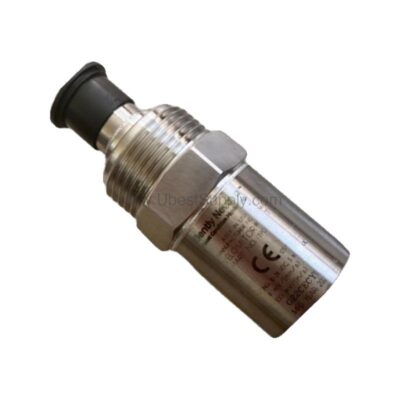
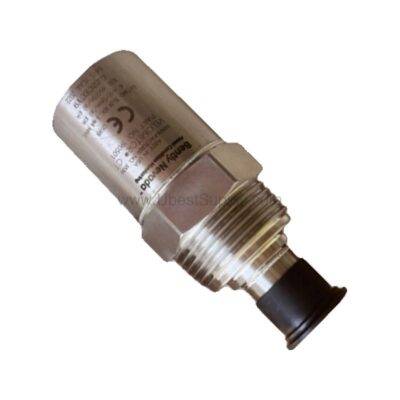
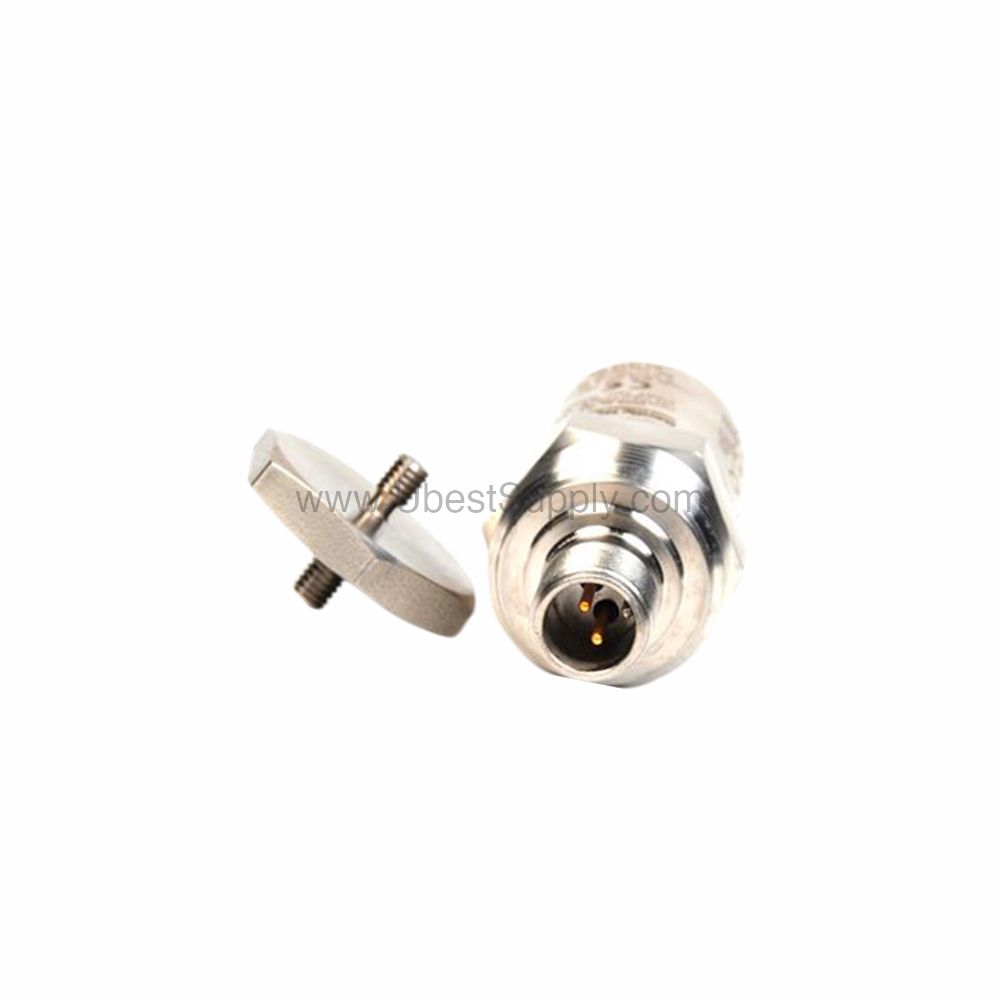
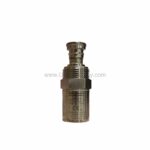
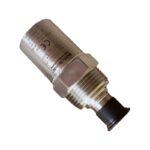
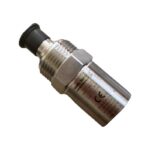
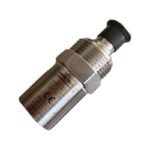
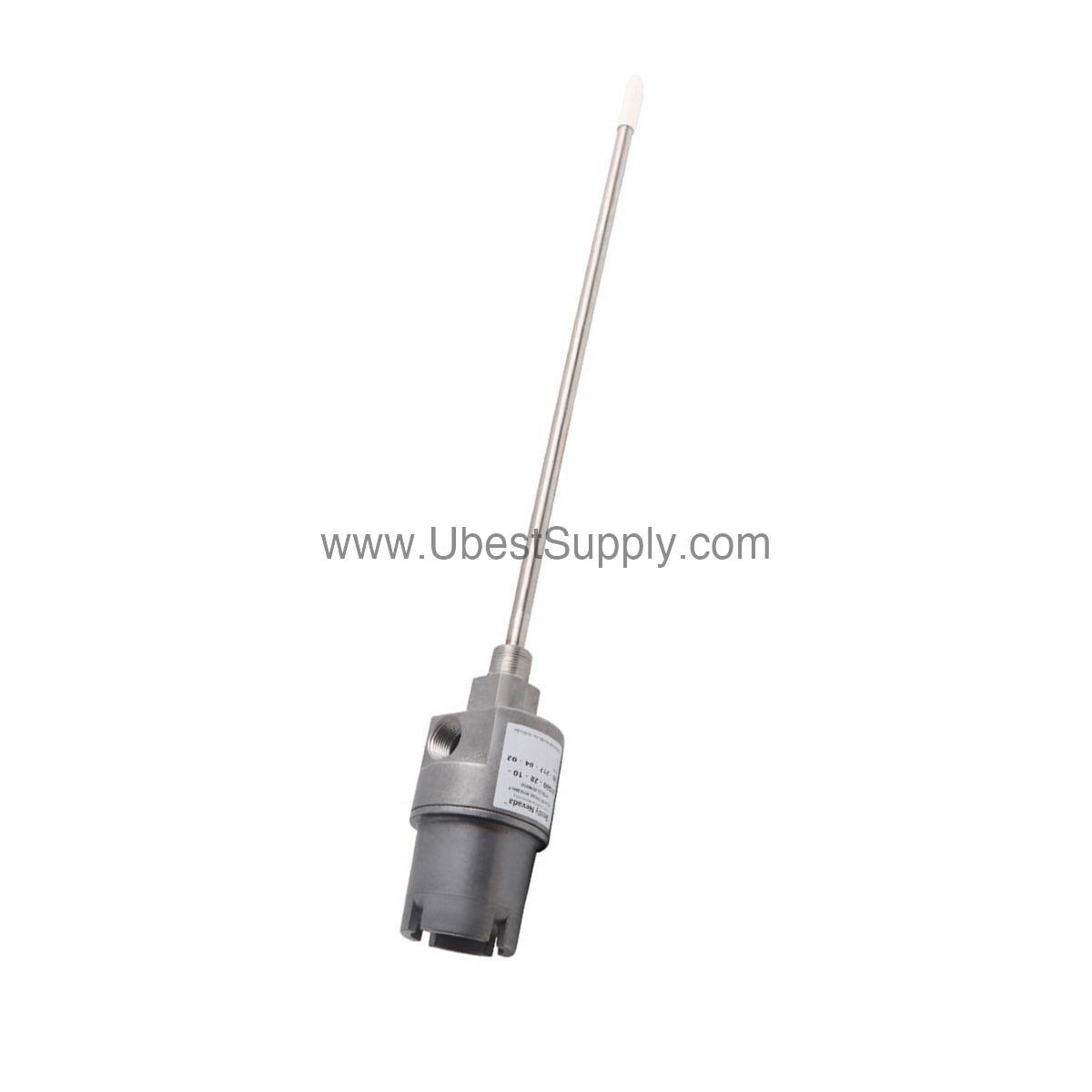
When unplanned machine downtime threatens production targets, accurate vibration data becomes essential. The 190501-00-00-CN from Bently Nevada provides the precise measurements needed to detect mechanical faults early. This Velomitor CT velocity transducer converts mechanical vibration into an electrical signal, enabling continuous monitoring of rotating equipment.
Engineers trust this transducer for its robust design and consistent performance. With a sensitivity of 3.94 mV/mm/s (100 mV/in/s) ±5%, it delivers dependable output across a wide range of operating conditions.
Key Features and Technical Specifications of the 190501-00-00-CN
The 190501-00-00-CN offers several performance parameters that support accurate condition monitoring:
- Sensitivity: 3.94 mV/mm/s (100 mV/in/s) ±5%
- Frequency Response: 3.0 Hz to 900 Hz (180 to 54,000 cpm) ±1.0 dB; 1.5 Hz to 1.0 kHz (90 to 60,000 cpm) ±3.0 dB
- Output Bias Voltage: 10.1 Vdc ± 1.0 Vdc, Pin A referenced to Pin B
- Dynamic Output Impedance: <400 Ω typical
- Broadband Noise: 0.229 mm/s (0.009 in/s) pk
- Base Strain Sensitivity: 0.43 mm/s/μstrain (0.017 in/s/μstrain)
- Mounted Resonant Frequency: 9 kHz minimum (stud mounted, except quick disconnect)
- Transverse Response: Less than 5% of axial sensitivity
- Amplitude Linearity: ±2% to 63.5 mm/s pk (2.5 in/s pk)
These specifications make the transducer suitable for applications requiring precise vibration measurement. The internal electronics are isolated from the case, reducing interference from ground loops. Additionally, the maximum cable length of 305 metres (1,000 ft.) with part number 02173006 ensures signal integrity over long runs.
Applications and Use Cases for the 190501-00-00-CN
In industrial environments, the 190501-00-00-CN excels at monitoring rotating machinery such as pumps, fans, compressors, and motors. Its frequency response covers typical machine vibration ranges, making it versatile for predictive maintenance programs. Moreover, the transducer's robust construction withstands harsh conditions, including extreme temperatures and humidity.
For example, in a petrochemical plant, early detection of bearing wear can prevent catastrophic failures. The transducer's high sensitivity and linearity enable reliable trend analysis, helping maintenance teams schedule repairs proactively. Consequently, this reduces unplanned downtime and extends equipment life.
Installation and Setup Guidance
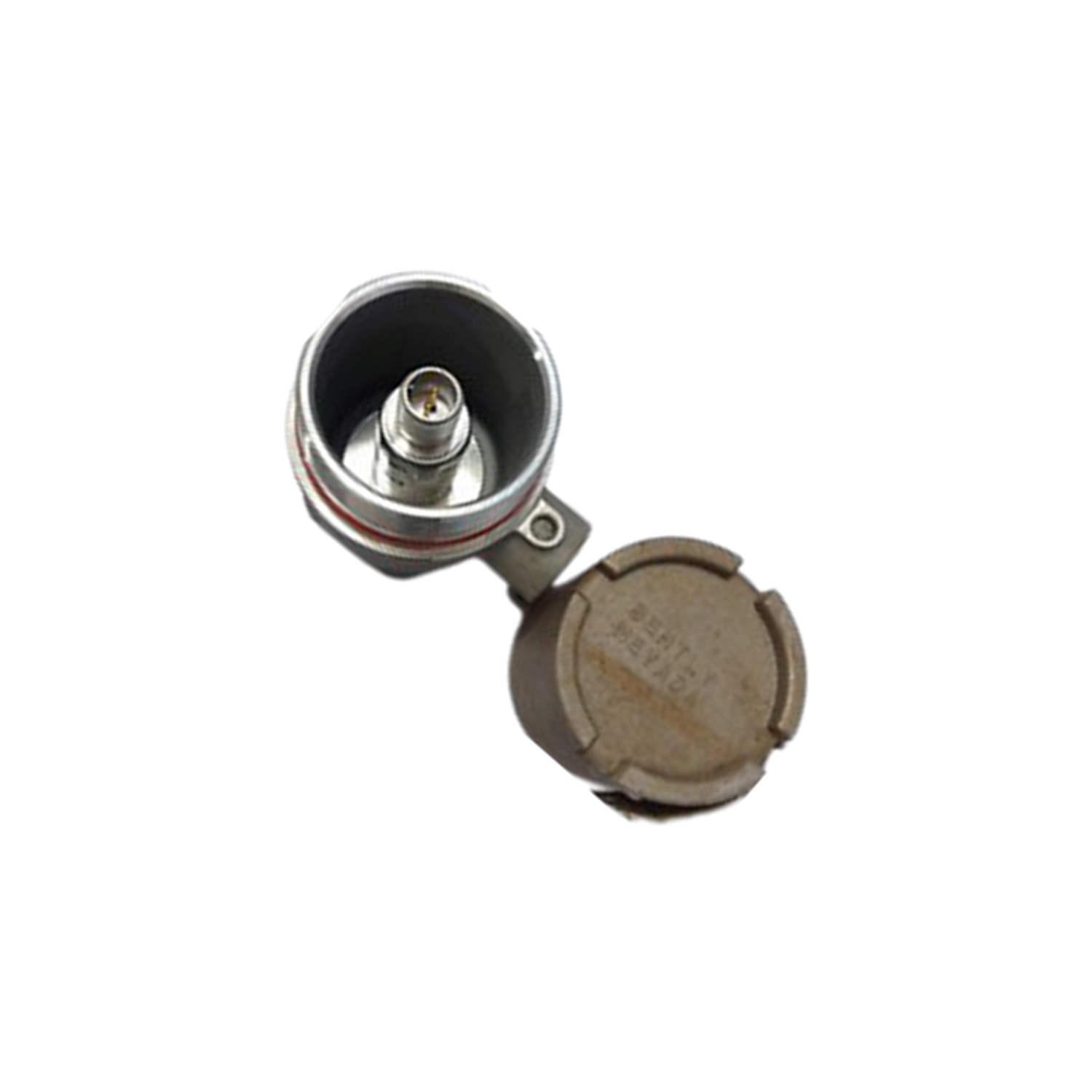
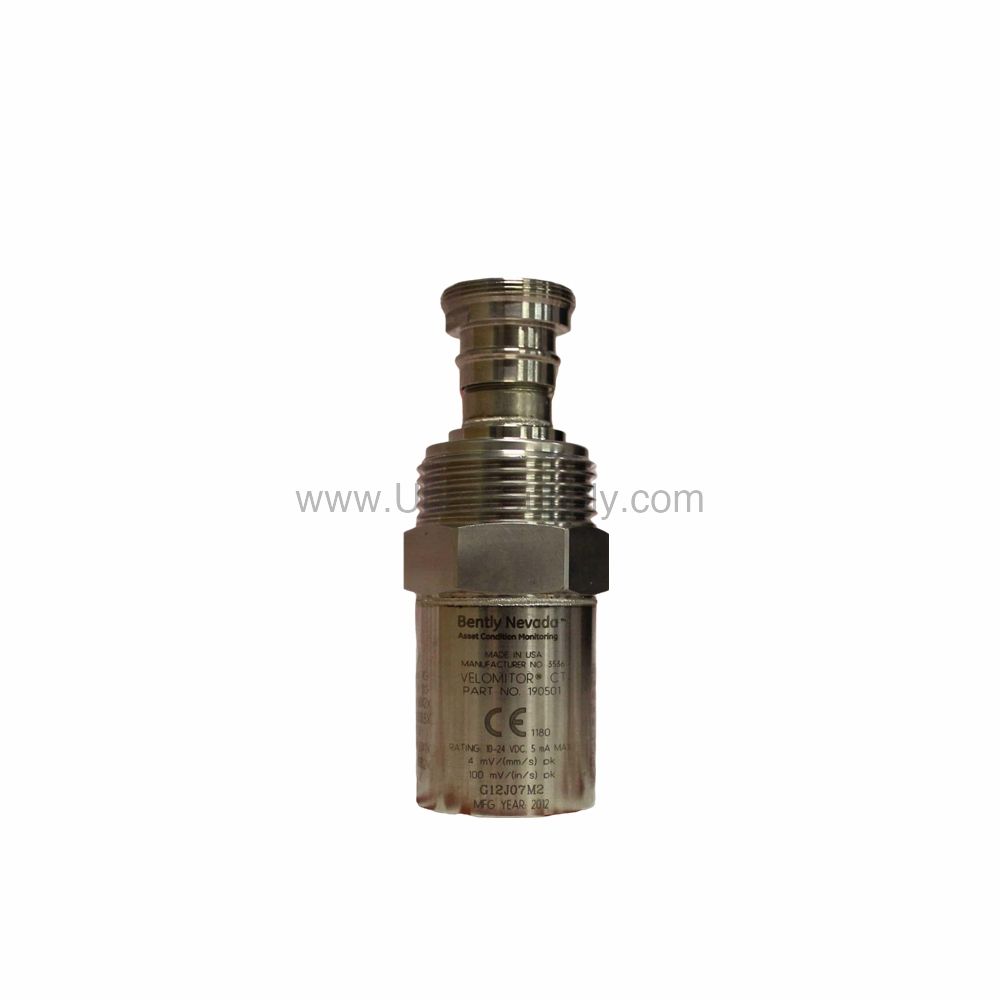
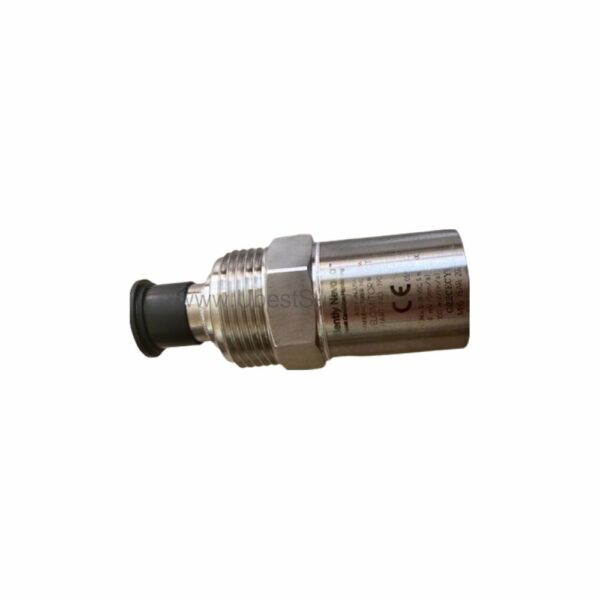
Proper installation is critical for accurate readings. The 190501-00-00-CN features a 2-pin 316L stainless steel MIL-C5015 connection interface. Mounting hardware option is no stud, so you must provide a suitable mounting surface. The mounting surface diameter is 33 mm (1.3 in), and the height is 82 mm (3.2 in).
Apply the specified mounting torque of 4.5 N-m ± 0.6 N-m (40 in-lbf ± 5 in-lbf) to secure the transducer. The unit can be mounted in any orientation, offering flexibility in tight spaces. Ensure that the mounting surface is clean and flat to avoid introducing measurement errors.
Maintenance and Reliability Tips
Regular inspection of the transducer and its cabling helps maintain reliable operation. Check for physical damage, loose connections, or signs of corrosion. The 316L stainless steel case provides excellent resistance to corrosive environments, but periodic visual checks are still recommended.
Because the transducer is exposed to vibration, verify that mounting bolts remain tight. Re-torque if necessary, following the manufacturer's guidelines. Additionally, monitor the output bias voltage periodically; a deviation from the specified 10.1 Vdc ± 1.0 Vdc may indicate a problem.
Compatibility and Integration
The 190501-00-00-CN is designed to work with Bently Nevada monitoring systems and other data acquisition equipment that accepts velocity transducer inputs. Its MIL-C-5015 connector ensures a secure, standardized interface. The transducer's low output impedance (<400 Ω) allows it to drive long cables without signal degradation, making it suitable for distributed monitoring architectures.
For hazardous area installations, agency approval options 01 through 04 provide intrinsically safe ratings (Ex ia IIC T4 and AEx ia IIC T4) and non-incendive ratings (Ex nL IIC T4 and AEx nA T4). However, this specific model (option CN) is country-specific, so verify local requirements before use.
Common Questions About the 190501-00-00-CN
Q: What is the operating temperature range?
A: The transducer operates from -40°C to +85°C (-40°F to +185°F).
Q: Can the transducer be mounted in any orientation?
A: Yes, the mounting angle is any orientation, providing installation flexibility.
Q: What is the maximum cable length?
A: Up to 305 metres (1,000 ft.) of cable (part number 02173006) can be used without signal degradation.
Q: What is the shock limit?
A: The shock limit is 5000 g pk, maximum.
Q: Is the transducer intrinsically safe?
A: This specific model (CN option) is country-specific; other agency approval options (01-04) offer intrinsic safety ratings.
Product Support and Availability
The 190501-00-00-CN is available through Petro Auto Tech, your trusted industrial automation parts supplier. We ensure prompt delivery and competitive pricing. Contact our team for availability and ordering information.

 In Stock