 In Stock
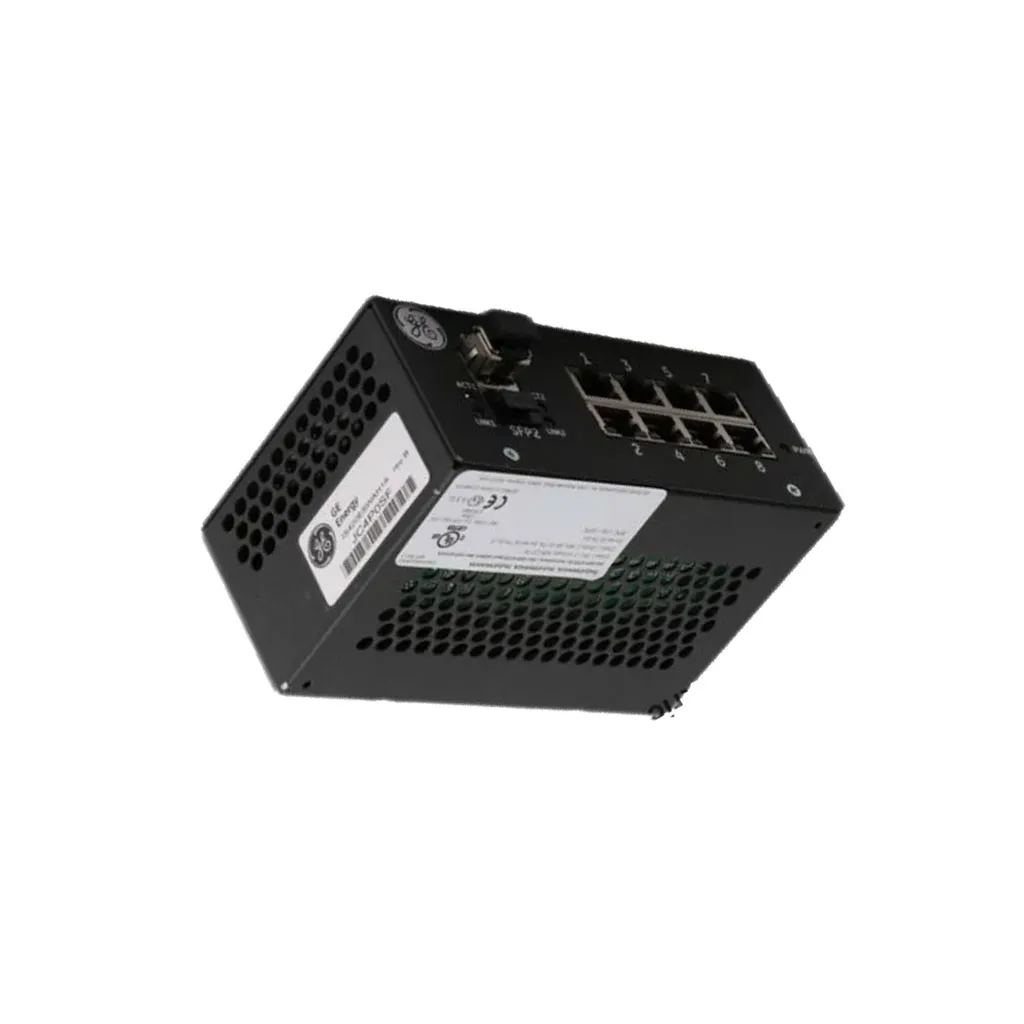
 PROFINET Controller Gateway Module GE IS420PPNGH1A
IS420PPNGH1A
The GE IS420PPNGH1A is a robust PROFINET Controller Gateway Module for the...

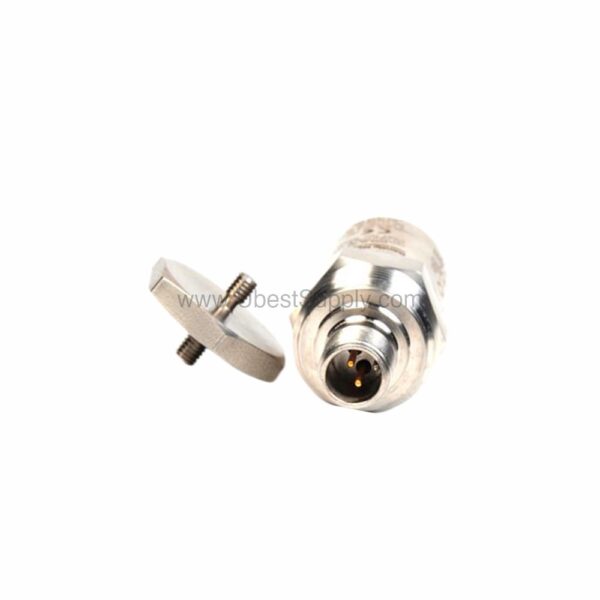
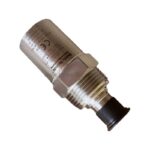
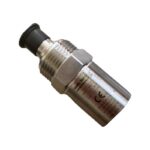
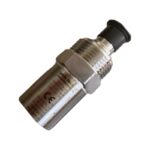
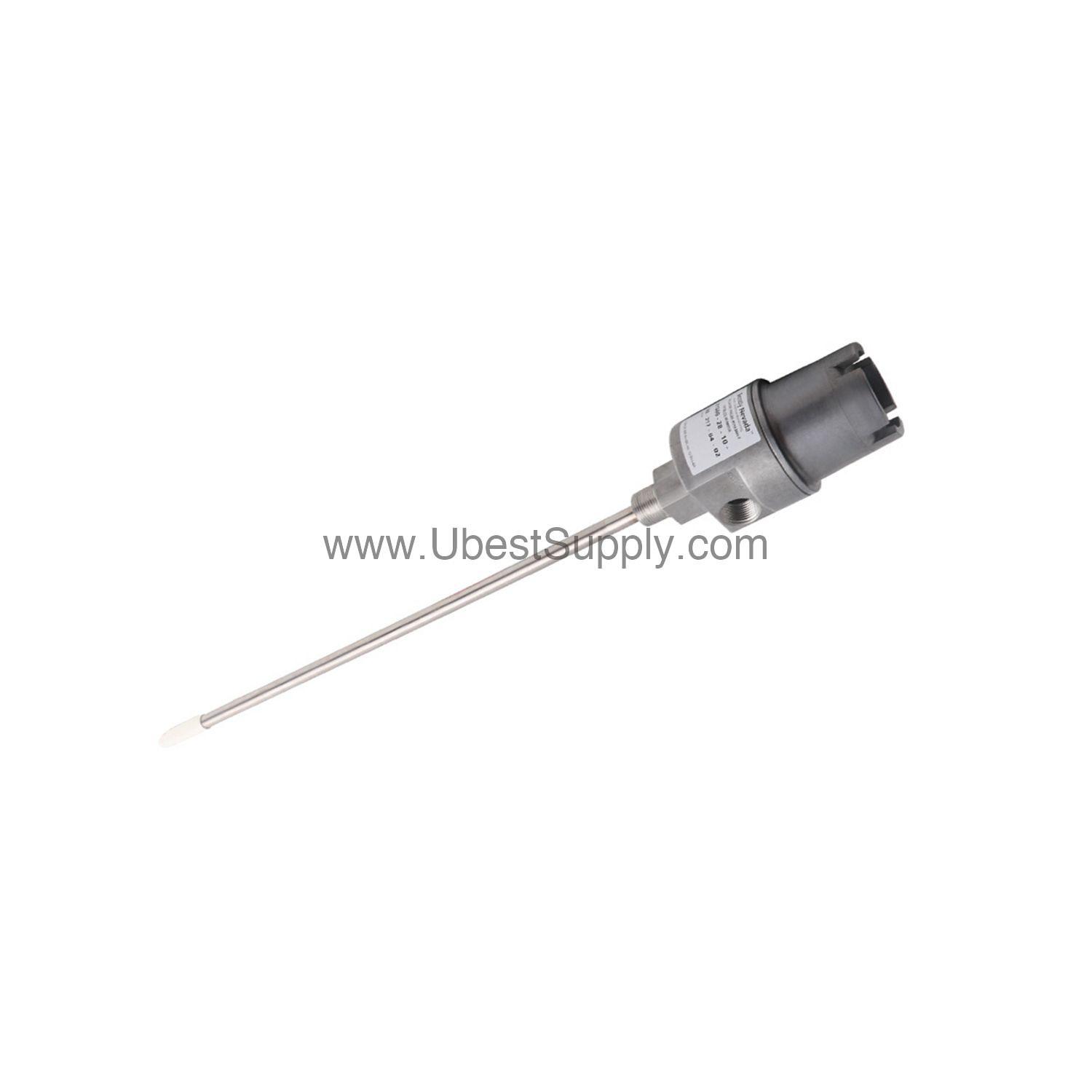
When rotating machinery fails unexpectedly, the consequences ripple through production schedules and maintenance budgets. The 190501-01-00-01 from Bently Nevada addresses this challenge directly. This Velomitor CT velocity transducer provides accurate, repeatable vibration measurements that help you detect problems before they escalate.
Engineered for industrial environments, this transducer is part of the trusted Velomitor CT series. It offers a sensitivity of 3.94 mV/mm/s (100 mV/in/s) ±5%, ensuring precise velocity readings. With a frequency response of 3.0 Hz to 900 Hz (180 to 54,000 cpm) ±1.0 dB, it captures the critical vibration signatures of rotating equipment.
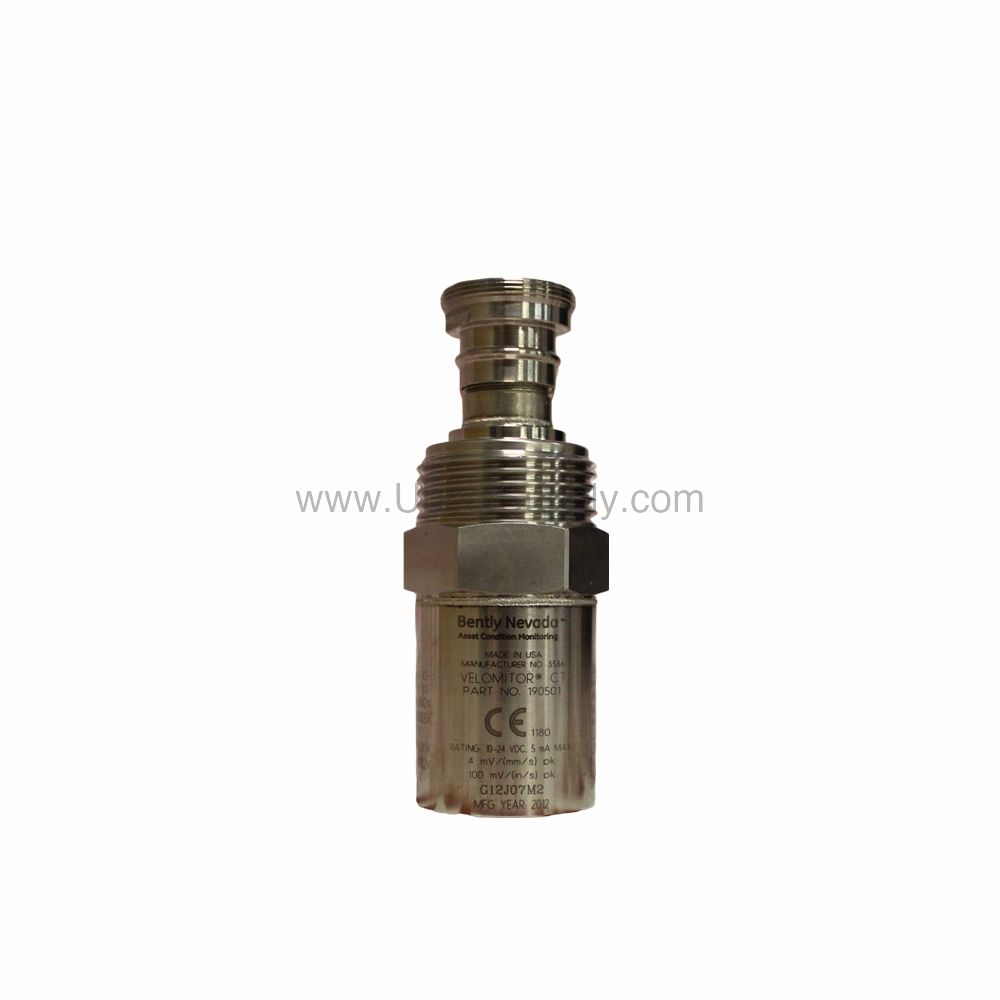
The 190501-01-00-01 is built to perform under demanding conditions. Its robust design includes a 316L stainless steel case and connector, providing excellent corrosion resistance. The transducer operates across a wide temperature range, from -40°C to +85°C (-40°F to +185°F), making it suitable for harsh industrial settings.
One standout specification is the broadband base strain sensitivity of 0.43 mm/s/μstrain. This means the transducer minimizes false readings caused by mechanical strain on the mounting surface, giving you cleaner data for analysis.
In industries where rotating equipment is critical—such as power generation, oil and gas, and manufacturing—the 190501-01-00-01 excels. It is designed for permanent installation on machinery like pumps, fans, and motors. Because it measures absolute velocity, it is ideal for monitoring overall machine health and detecting imbalance, misalignment, and bearing wear.
Moreover, the transducer's intrinsically safe certifications (Ex ia IIC T4, AEx ia IIC T4) allow it to be used in hazardous areas classified as Class I, Division 1, Groups A, B, C, D. This makes it a reliable choice for environments where flammable gases or vapors may be present.
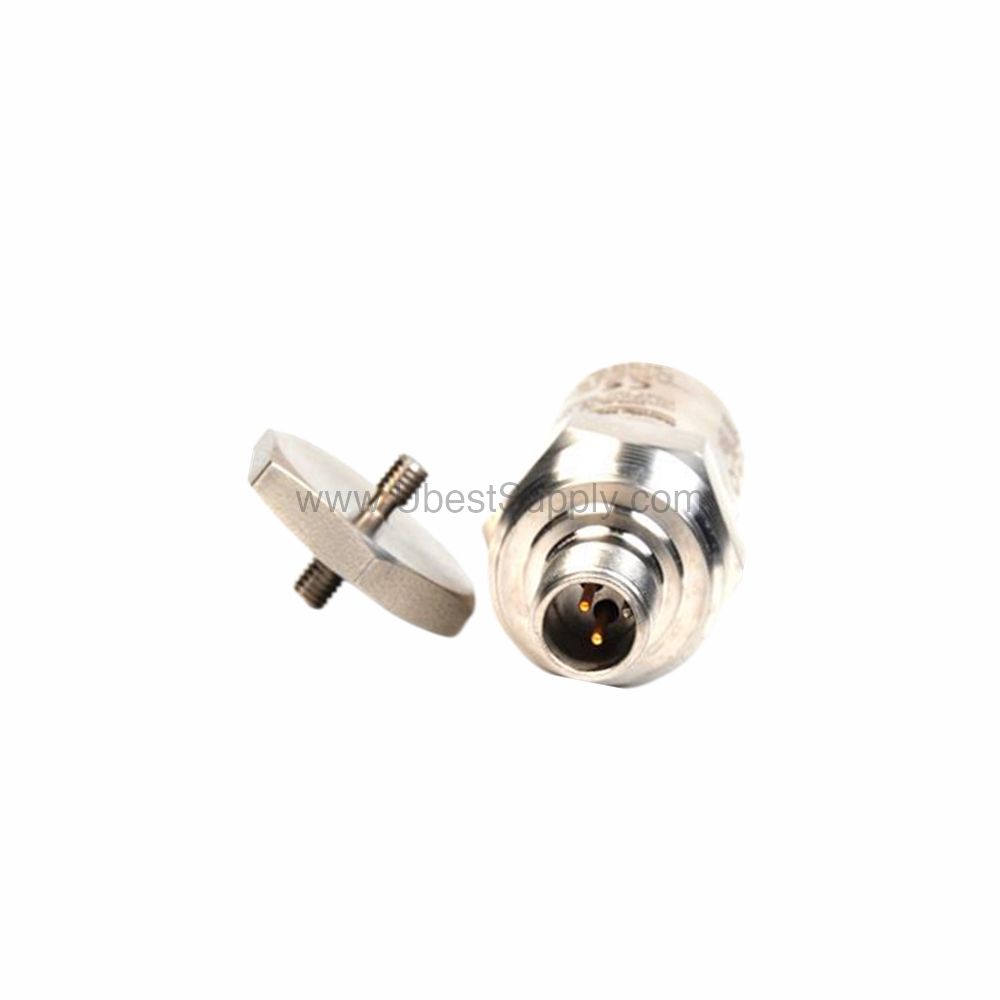
Proper installation is key to obtaining accurate vibration data. The 190501-01-00-01 comes with a stud mounting option (3/8-in 24 to 3/8-in 24) and a MIL-C-5015 connection interface. Follow these guidelines:
Always refer to the Bently Nevada installation manual for detailed instructions specific to your application.
Routine maintenance of the 190501-01-00-01 is straightforward. Because the internal electronics are isolated from the case, the transducer is less susceptible to ground loops and electrical interference. Periodically inspect the mounting integrity and the condition of the cable. The maximum cable length is 305 metres (1,000 ft.) without signal degradation, giving you flexibility in placement.
The transducer's robust construction and wide operating temperature range contribute to long service life. By investing in this reliable sensor, you reduce the risk of unplanned downtime and extend the life of your machinery.
The 190501-01-00-01 is designed to work seamlessly with Bently Nevada monitoring systems. Its output bias voltage of 10.1 Vdc ± 1.0 Vdc is compatible with standard vibration monitoring modules. The MIL-C-5015 connector ensures a secure and reliable electrical connection.
For integration into existing systems, confirm that your monitoring equipment accepts the transducer's sensitivity and frequency response. The transducer's low output impedance (<400 Ω) allows for long cable runs without signal loss.
A: The sensitivity is 3.94 mV/mm/s (100 mV/in/s) ±5%, providing accurate velocity measurements.
A: Yes, it has intrinsic safety certifications including Ex ia IIC T4 and AEx ia IIC T4, suitable for Class I, Division 1, Groups A, B, C, D.
A: The maximum cable length is 305 metres (1,000 ft.) without signal degradation.
A: It operates from -40°C to +85°C (-40°F to +185°F).
A: Use 4.5 N-m ± 0.6 N-m (40 in–lbf ± 5 in-lbf) for proper installation.
At Petro Auto Tech, we stock the 190501-01-00-01 and are ready to ship. Our team can assist with technical questions and help you select the right transducer for your application. Contact us for current availability and lead times.
| Part Number | 190501-01-00-01 |
| Condition | In Stock |
| Stock Status | In Stock (Ready to Ship) |
| Weight | 0.5 kg |
| Warranty | 12 Month |
Shipping Port: Xiamen
We ship worldwide via DHL, FedEx, UPS, TNT, and EMS. In-stock items are dispatched within 24 hours of payment confirmation. Tracking number will be provided after shipment.
Secure payment processing. Contact us for corporate account and bulk order pricing.
All products come with a 1-year warranty against manufacturing defects. We guarantee 100% new and original products sourced directly from authorized manufacturers.
In Stock  In Stock
  In Stock
  In Stock
  In Stock
  In Stock
  In Stock
  In Stock
 Stay informed with the latest industry insights, product announcements, and technical articles.