 In Stock
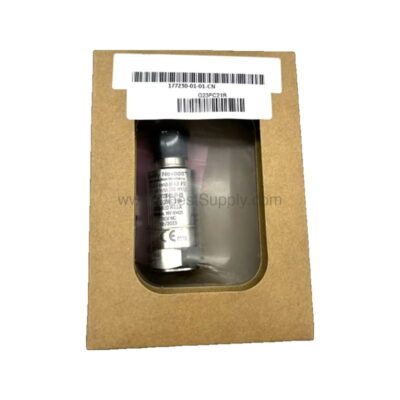
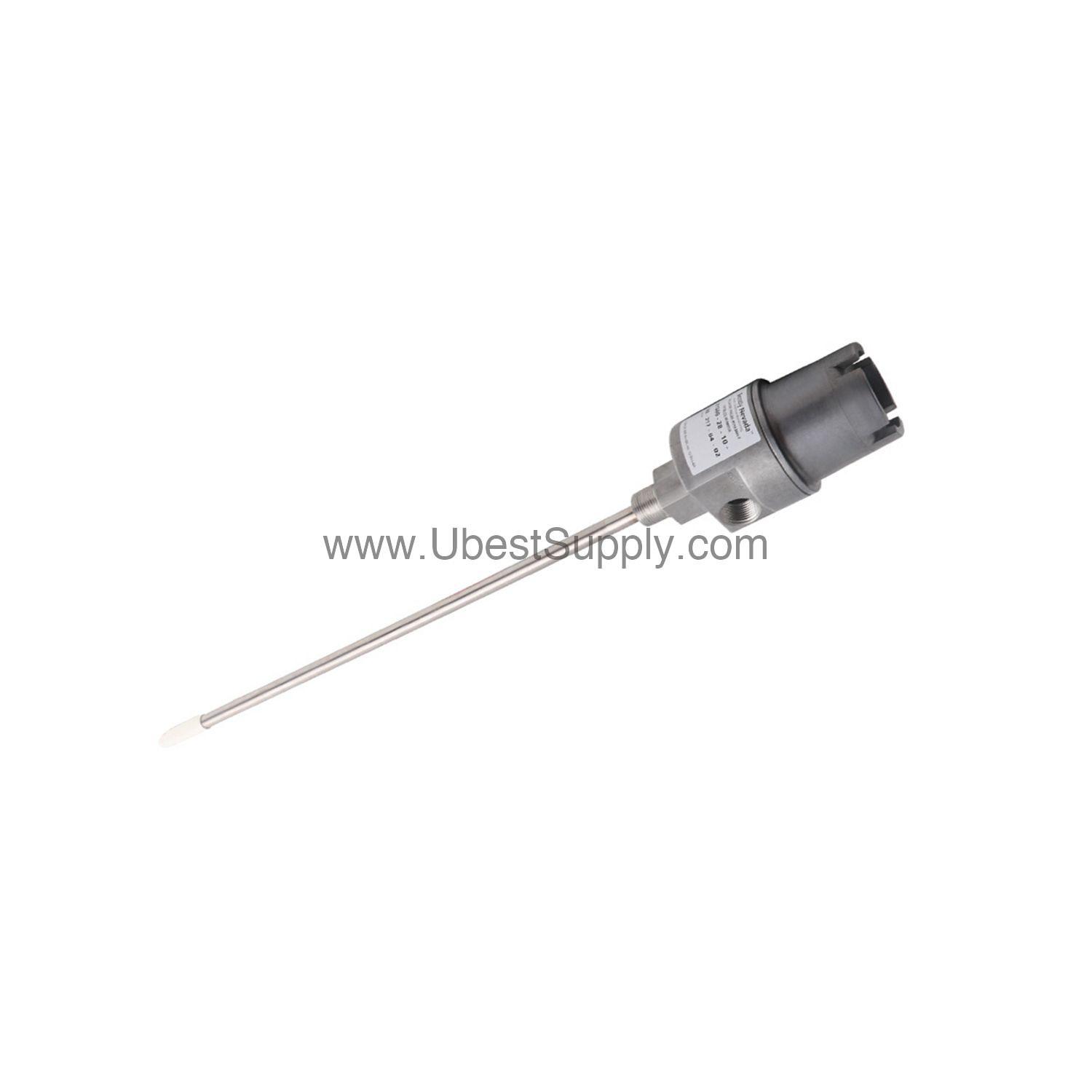
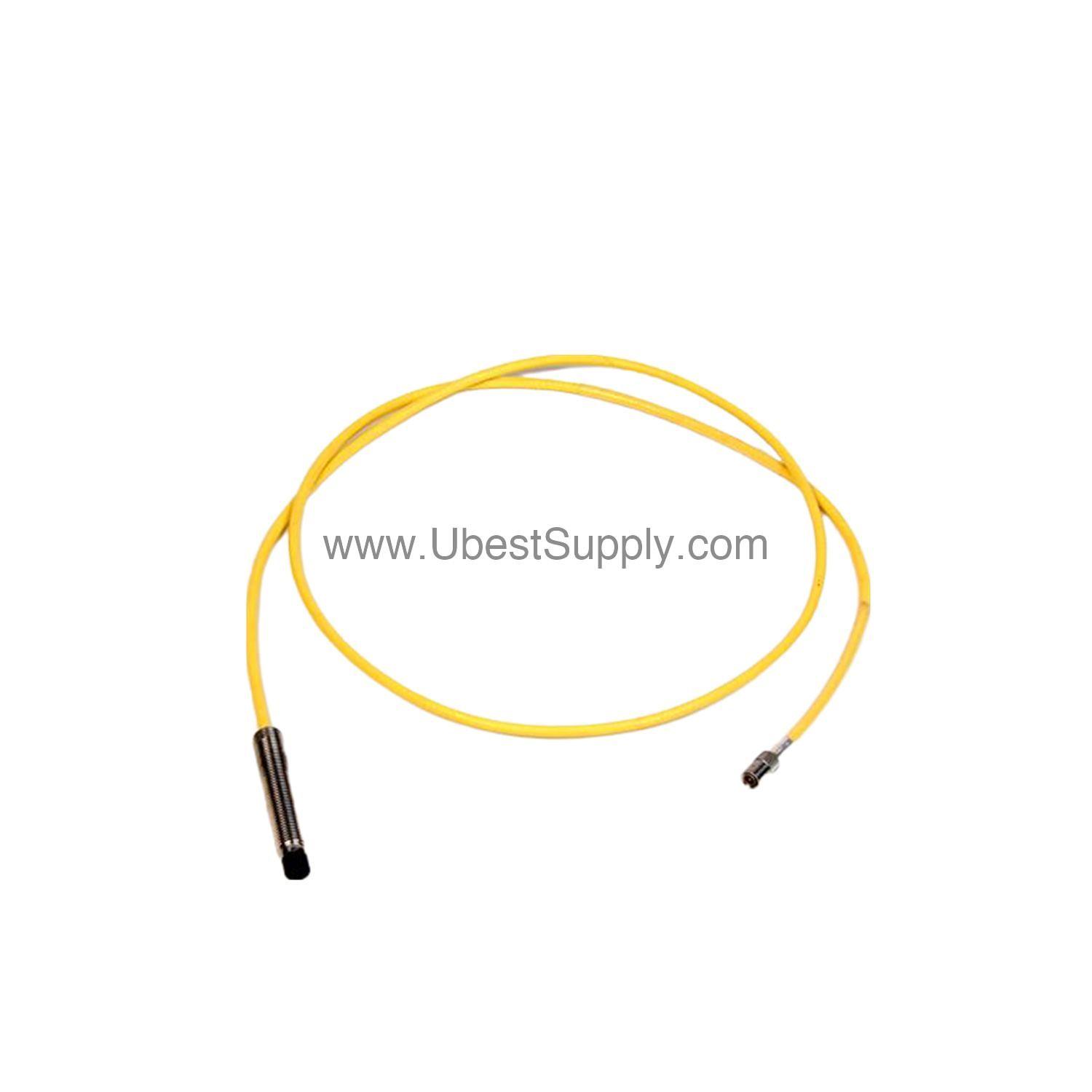
 177230-02-01-CN | Bently Nevada Seismic Transmitter
177230-02-01-CN
The Bently Nevada 177230-02-01-CN seismic transmitter delivers reliable 4-20 mA vibration monitoring...

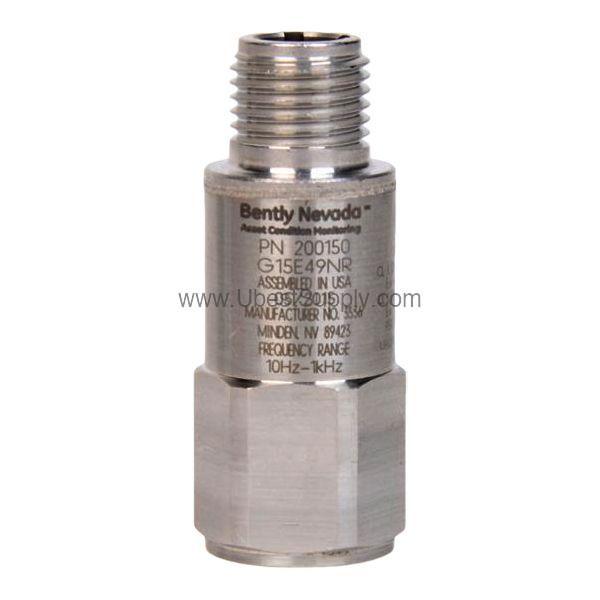
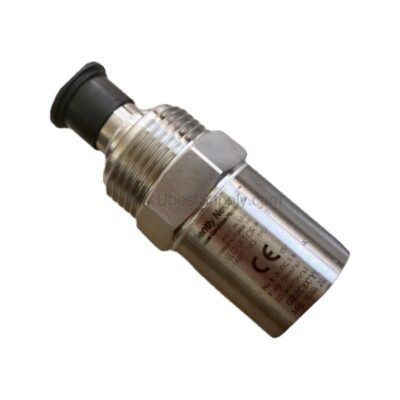
When monitoring vibration in rotating machinery, the 200157-09-05 from Bently Nevada provides reliable data for predictive maintenance. This Enveloping Trendmaster Pro Accelerometer is designed for roller element bearings and certain cavitation effects. It features a sensitivity of 10.2 mV/(m/s²) (100 mV/g) at 80 Hz, with a measurement range of ±245 m/s² (±25 g). The unit operates from 10 to 10,000 Hz (600 to 600,000 cpm) and includes multiple approvals (CSA, ATEX, and IECEx).
The 200157-09-05 excels in monitoring roller element bearings and cavitation effects in pumps, compressors, and turbines. Its enveloping channel type (-06) provides acceleration-to-velocity conversion with acceleration enveloping, making it ideal for early fault detection. This accelerometer helps reduce unplanned downtime by catching bearing wear and cavitation before they cause failure.
Mount the 200157-09-05 using the 3/8-24 female thread with a mounting torque of 2.7 to 6.8 N•m (2 to 5 ft•lbf). The stud option 09 provides a 3/8-24 to 3/4 NPT adapter with a 1-1/4 inch hex stud. Ensure the mounting surface is clean and flat for optimal coupling. Connect the sensor to a compatible data collector or monitoring system using the proper cable and connector.
Periodically inspect the 200157-09-05 for physical damage or corrosion, especially in harsh environments. The hermetic sealing (5×10⁻⁸ atm•cc/s max) protects against moisture and contaminants. Verify the output bias voltage remains within +2.5 ± 0.23 Vdc during operation. Regular calibration checks help maintain measurement accuracy over time.
The 200157-09-05 works with Bently Nevada ProTIM modules and other compatible vibration monitoring systems. It uses standard acceleration-to-velocity with acceleration enveloping channel type (-06). The sensor outputs a positive signal (SIG+ with respect to SIG-) when acceleration is from base to connector. For best results, pair it with a data acquisition system that supports IEPE-type accelerometers with 4.7 to 5.5 Vdc excitation.
The sensitivity is 10.2 mV/(m/s²) (100 mV/g) at 80 Hz, ±12%.
It operates from -40 °C to +105 °C (-40 °F to +221 °F).
Yes, it has multiple approvals including CSA, ATEX, and IECEx.
The mounting thread is 3/8-24 female, with a stud option for 3/8-24 to 3/4 NPT.
The weight is 58 g (2.0 oz), typical.
The 200157-09-05 is in stock and ready to ship from Petro Auto Tech. Contact our team for pricing and lead time. We provide fast delivery and expert support for your vibration monitoring needs.
| Part Number | 200157-09-05 |
| Condition | In Stock |
| Stock Status | In Stock (Ready to Ship) |
| Weight | 0.5 kg |
| Warranty | 12 Month |
Shipping Port: Xiamen
We ship worldwide via DHL, FedEx, UPS, TNT, and EMS. In-stock items are dispatched within 24 hours of payment confirmation. Tracking number will be provided after shipment.
Secure payment processing. Contact us for corporate account and bulk order pricing.
All products come with a 1-year warranty against manufacturing defects. We guarantee 100% new and original products sourced directly from authorized manufacturers.
In Stock  In Stock
  In Stock
  In Stock
  In Stock
  In Stock
  In Stock
  In Stock
 Stay informed with the latest industry insights, product announcements, and technical articles.