 In Stock
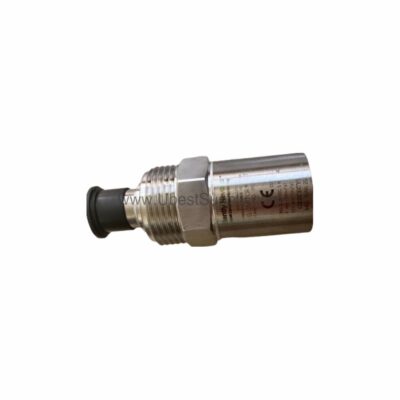
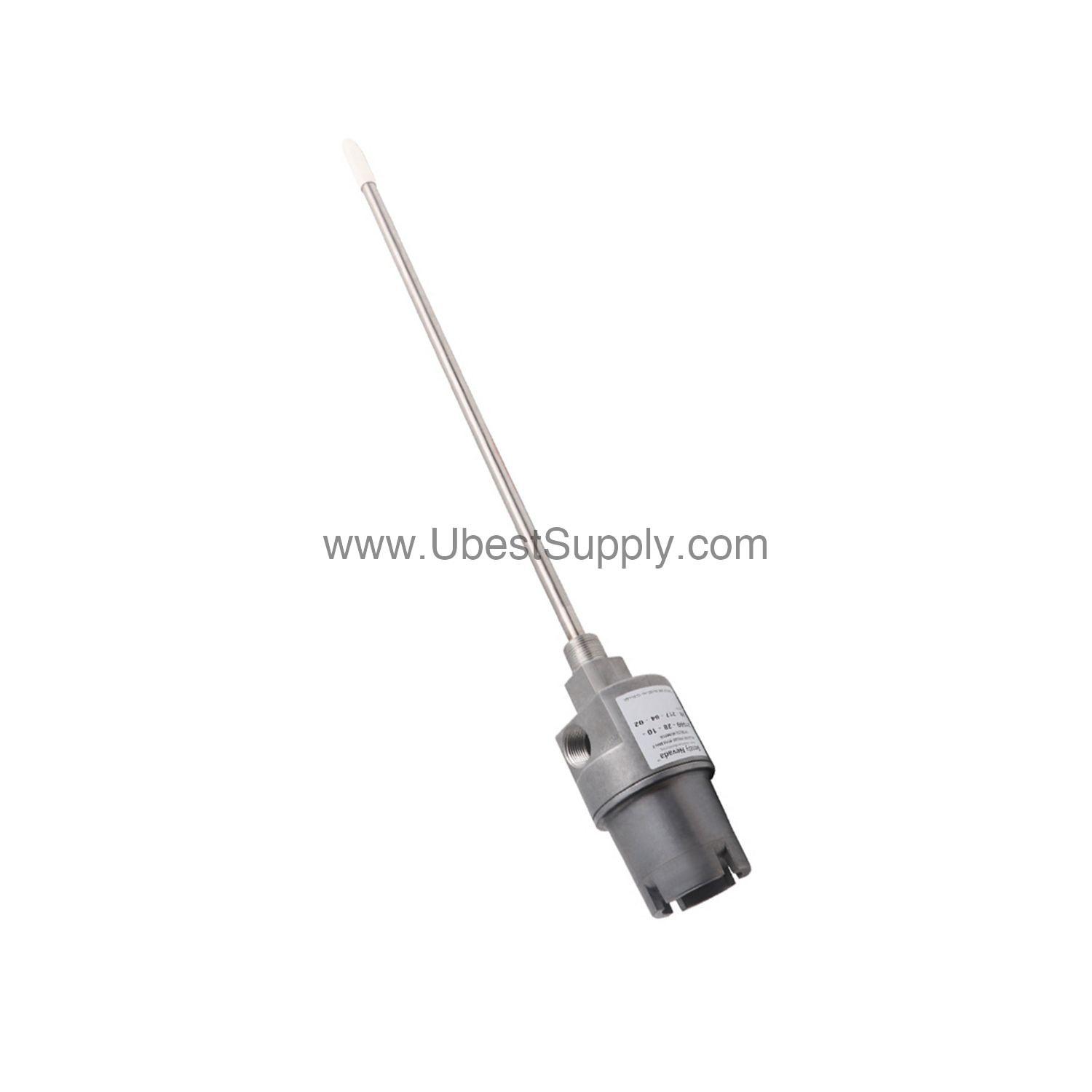
 21022-12-05-020-04 | Bently Nevada Dual Axial Probe Housing Assembly
21022-12-05-020-04
The Bently Nevada 21022-12-05-020-04 dual axial probe housing assembly provides reliable axial...

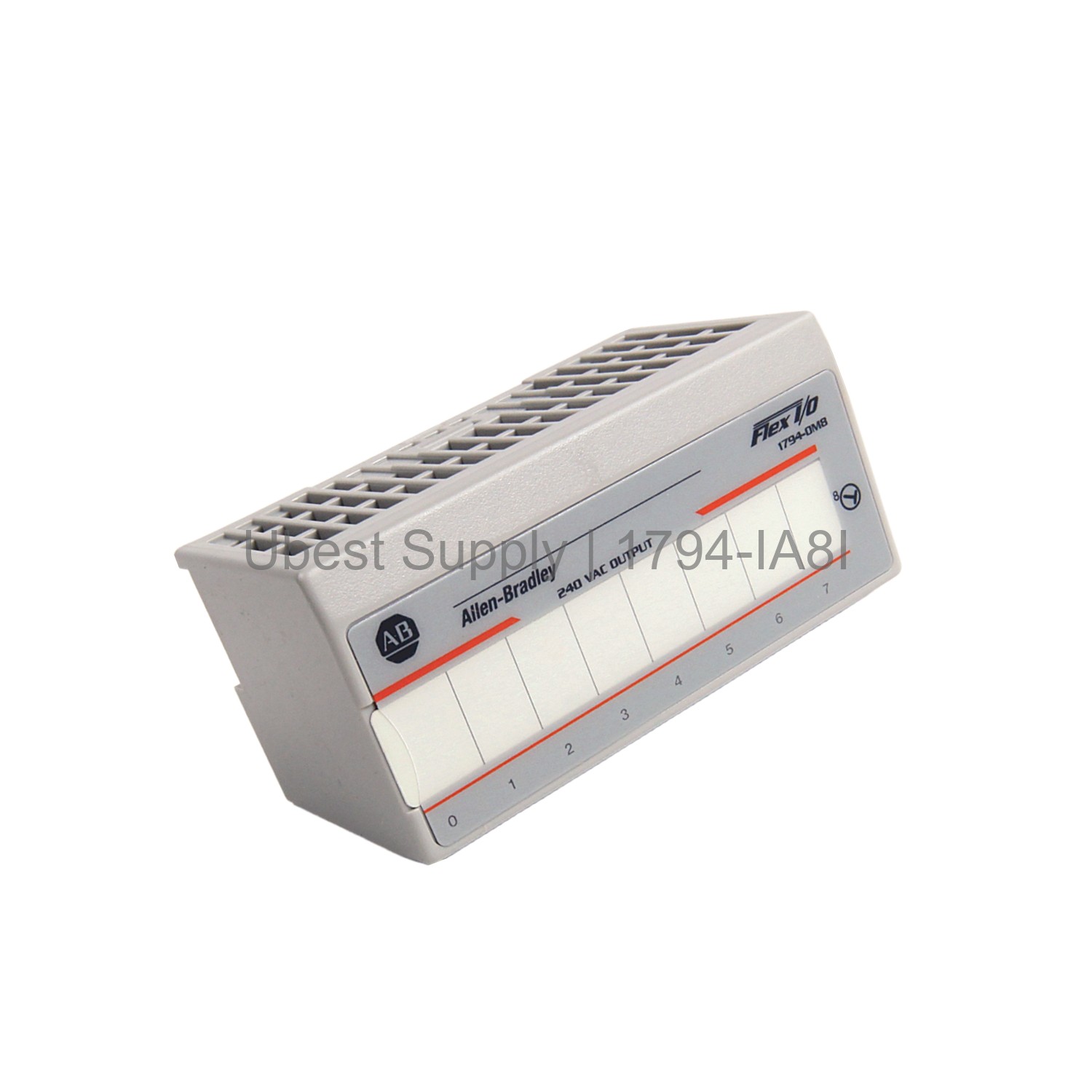
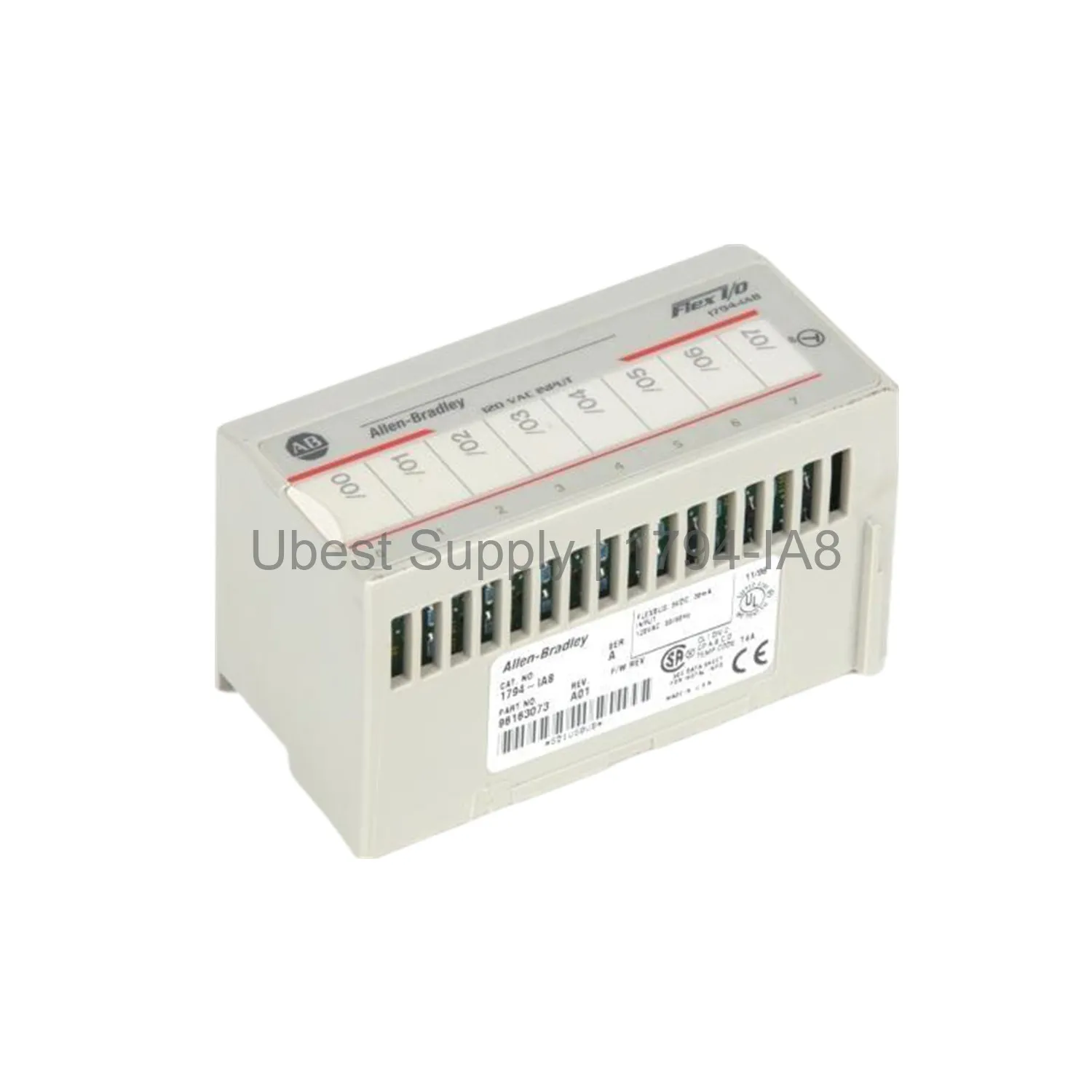
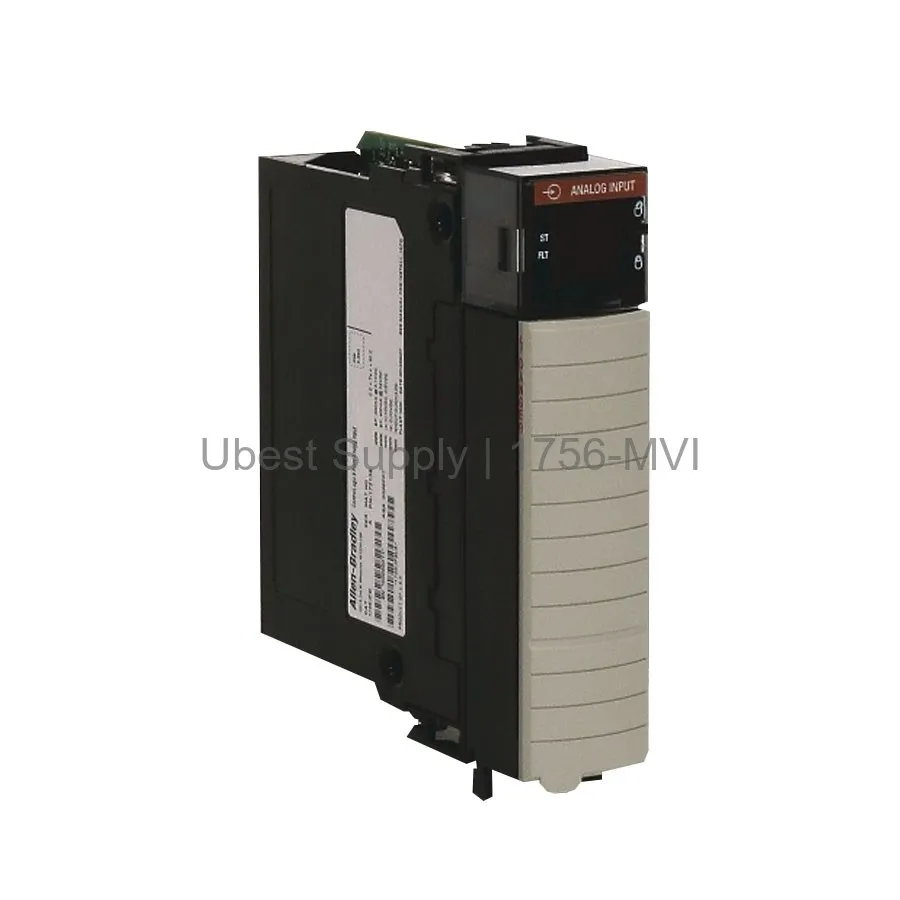
The Allen-Bradley 1794-IR8 is a Flex I/O RTD input module with eight channels. This module measures resistance from temperature sensors. It supports 1 to 433 ohms input range. The resolution is 16 bits across 435 ohms. This gives high precision for temperature monitoring. The 1794-IR8 works with many RTD types. These include platinum (Pt), nickel (Ni), and copper (Cu). Each channel can be configured separately. The module uses an excitation current of 718.36 microamps. It provides accuracy of 0.05% full scale in normal mode. In enhanced mode, accuracy reaches 0.01% full scale. This module is part of the Allen-Bradley Flex I/O family. It requires a terminal base like 1794-TB2 or 1794-TB3.
The 1794-IR8 converts analog RTD signals to digital data. The data format is 16-bit 2's complement or offset binary. System throughput depends on the mode. Normal mode throughput ranges from 28 ms to 325 ms per channel. Enhanced mode ranges from 56 ms to 650 ms per channel. Default scan time for one channel is 325 ms in normal mode. For eight channels, default is 2.6 seconds. The module has a channel bandwidth of 0 to 2.62 Hertz. It rejects noise at -60 dB for 60 Hz normal mode. Common mode rejection is -120 dB at 60 Hz. Isolation voltage is 850 VDC tested. Power dissipation is 3 watts maximum at 31.2 VDC. Thermal dissipation is 10.2 BTU per hour. The module operates from 0 to 55 degrees Celsius. It stores from -40 to 85 degrees Celsius.
Engineers use the 1794-IR8 in many industries. These include oil and gas, chemical, and pharmaceutical. It monitors temperature in reactors, ovens, and pipelines. The module works with Pt100 sensors for high accuracy. It also supports Ni120 sensors for lower temperature ranges. The module is ideal for plastic injection molding. It ensures precise control of heating zones. Food processing plants use it for pasteurization. The compact Flex I/O design reduces cabinet space. It connects to PLCs via FlexBus backplane.
Mount the terminal base securely on a DIN rail. Insert the 1794-IR8 module until it clicks. Connect the power supply within 19.2 to 31.2 VDC. Use twisted pair wires for RTD sensors to reduce noise. Set channel configuration via software. Adjust system throughput as needed. The module does not require calibration under normal conditions. Keep the environment clean and dry. Check connections periodically. The module has overvoltage protection up to 35 VDC continuous at 25°C. Do not exceed 35 VDC input. For storage, keep temperature between -40 and 85°C.
Each order includes one 1794-IR8 module. It also includes a quick start guide. The terminal base is sold separately. We ship via FedEx, UPS, or DHL. Please order the correct terminal base (1794-TB2, 1794-TB3, or 1794-TB3T).
| Part Number | 1794-IR8 |
| Condition | In Stock |
| Stock Status | In Stock (Ready to Ship) |
| Warranty | 12 Month |
Shipping Port: Xiamen
We ship worldwide via DHL, FedEx, UPS, TNT, and EMS. In-stock items are dispatched within 24 hours of payment confirmation. Tracking number will be provided after shipment.
Secure payment processing. Contact us for corporate account and bulk order pricing.
All products come with a 1-year warranty against manufacturing defects. We guarantee 100% new and original products sourced directly from authorized manufacturers.
In Stock 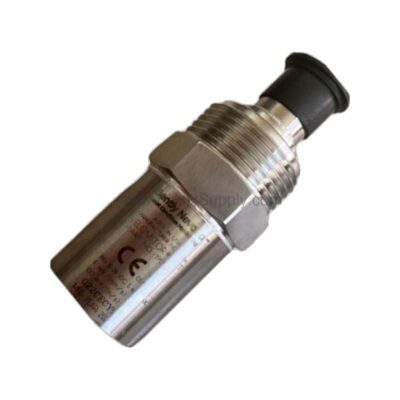 In Stock
  In Stock
  In Stock
  In Stock
  In Stock
  In Stock
  In Stock
 Stay informed with the latest industry insights, product announcements, and technical articles.