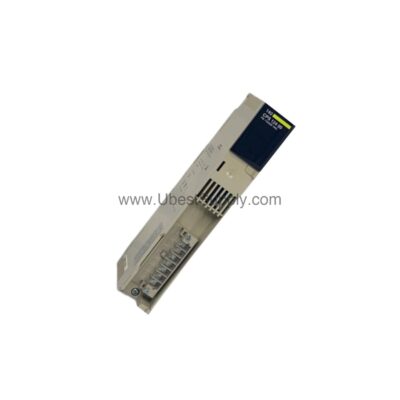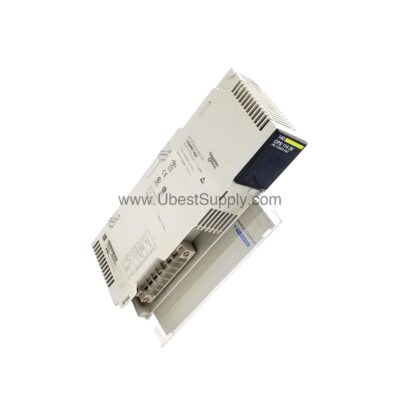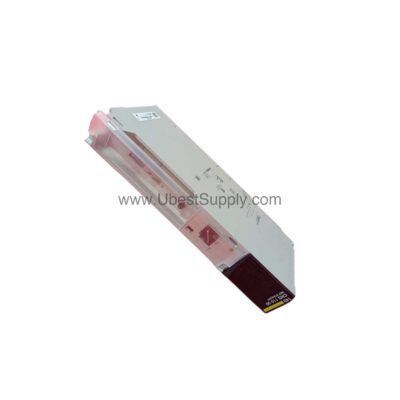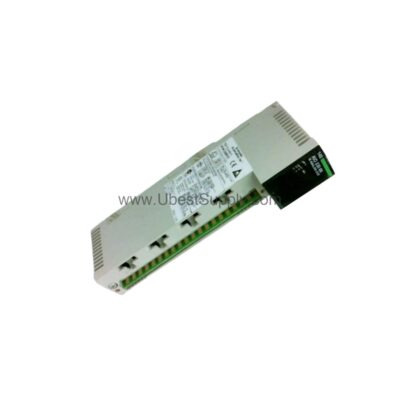

The Allen-Bradley 1794-IR8 is a high-density, 8-channel Resistance Temperature Detector module. It accurately measures temperature using a wide variety of RTD sensors. This module supports platinum, nickel, and copper elements. It delivers a robust solution for demanding industrial environments. The module handles sensor inputs from 1 to 433 Ohms.
Product Procurement & Buyer Guide
Engineers select the 1794-IR8 for its exceptional flexibility in sensor support. It works with 100 Ohm Platinum sensors (both Euro and U.S. curves). You can also connect Nickel and Copper RTD elements seamlessly. This eliminates the need for multiple specialized modules. The module provides an excitation current of 718.36 µA.
Procurement teams benefit from the module's low power consumption. It dissipates only 3 Watts maximum at 31.2 Volts DC. This reduces heat buildup in crowded control cabinets. The thermal dissipation is just 10.2 BTU/hour. This design enhances system reliability and longevity.

The module achieves high accuracy without requiring frequent calibration. In enhanced mode, it delivers 0.01% full scale typical accuracy. This ensures precise temperature control in critical processes. The 16-bit resolution provides fine granularity across the full 435 Ohm range.
The 1794-IR8 offers programmable system throughput to match application needs. Normal mode allows scanning from 28ms to 325ms per channel. Enhanced mode provides even greater noise rejection at slower speeds. This flexibility helps engineers optimize for speed or accuracy. The module rejects noise effectively with a -60 dB filter.
Step-by-Step User & Installation Guide
Start by mounting the 1794-IR8 module onto a standard DIN rail. Ensure a secure mechanical fit before wiring any connections. The module requires a compatible terminal base like the 1794-TB2. Use the 1794-TB3 or 1794-TB3T for specific wiring needs. Always match the wire size to the terminal base specifications.

Connect the power supply within the specified voltage range. The module requires 24 Volts DC nominal with a range of 19.2 to 31.2 Volts. Derate the voltage to 24 Volts DC maximum at 55 degrees Celsius. This prevents thermal damage in high ambient temperatures. The module draws a FlexBus current of 20mA.
Wire your RTD sensors according to the channel assignments. The module supports standard 2-wire, 3-wire, and 4-wire configurations. Use 3-wire connections for optimal lead wire resistance compensation. This ensures the highest possible measurement accuracy for your process. Verify all wiring is secure and free from shorts.
Configure the module data format as either 16-bit two's complement or offset binary. Select the correct sensor type for each of the eight channels. Program the system throughput to match your required scan rate. Normal mode enables faster scans for dynamic processes. Enhanced mode provides superior noise rejection for stable readings.