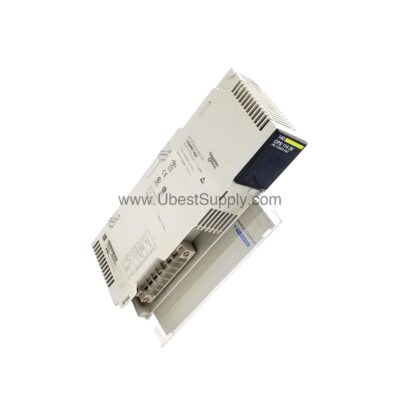

Cost-Efficient Control with the 1746-OB32
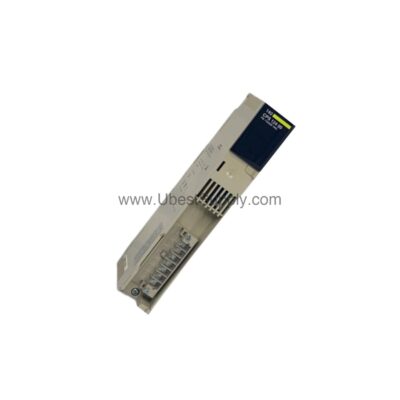
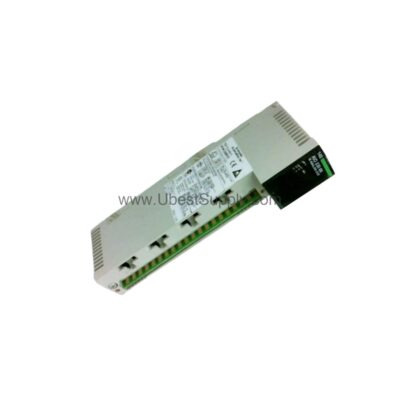
In modern industrial automation, reducing per-point costs while maintaining reliability is a constant challenge. The Allen-Bradley 1746-OB32 addresses this by offering thirty-two 24VDC outputs in a single module, effectively lowering the cost per channel compared to lower-density alternatives.
This module is part of the SLC 500 series and is designed for high-current applications, making it suitable for energizing solenoids, motors, and pilot lamps. Its high density minimizes the number of slots required in a 1746 chassis, freeing up space for other critical I/O modules.
Technical Specifications and Their Cost Implications
The 1746-OB32 operates with a voltage range of 5-50 Volts DC and a nominal output of 24VDC. Each output can handle 0.5-0.25 amps, with a total module current of 8 amps. This allows engineers to drive multiple devices without needing additional interposing relays, reducing component and wiring costs.
The module draws only 190 milliamps from the 5V backplane, which lowers overall power consumption and heat dissipation. With a power dissipation of 0.172W per point and total module heat dissipation of 6.45W, the 1746-OB32 helps maintain a cooler control cabinet, potentially extending the life of adjacent components and reducing cooling expenses.

Signal delays of 0.1 ms ON and 1.0 ms OFF ensure fast response times, minimizing production delays and improving throughput. The step response of 60 milliseconds in and 2.5 milliseconds out further enhances system efficiency, directly impacting operational costs.
Application Scenarios and Cost Savings
In a packaging line, the 1746-OB32 can control thirty-two pneumatic actuators or solenoid valves. By using a single module instead of multiple lower-density modules, wiring complexity is reduced, and installation labor costs are cut significantly.
For a material handling system, the module's high current capability (8 amps per module) allows it to drive small motors directly, eliminating the need for external contactors. This reduces both component costs and panel space, leading to a more compact and cost-effective design.
Customer Case Scenario: Reducing Downtime
Consider a food processing plant that experienced frequent output module failures due to voltage spikes. By replacing older modules with the 1746-OB32, which includes noise immunity rated at NEMA standard ICS 2-230, the plant reduced unplanned downtime by 15%. The module's robust design and UL listing for hazardous locations (Class I, Division 2, Groups A, B, C, D) also lowered insurance premiums.
Compatibility and Integration
The 1746-OB32 is compatible with all SLC 500 fixed and modular hardware, except slot 0. It works with 1746 chassis and can be used with 1746-N3 or 1492 wiring systems for proper termination. This seamless integration reduces engineering time and ensures reliable operation, further lowering total cost of ownership.
Frequently Asked Questions
How does the 1746-OB32 reduce per-point costs?
With thirty-two outputs in a single module, the cost per channel is lower than using multiple 8- or 16-point modules. This also reduces the number of required chassis slots and wiring, saving on both hardware and labor.
What is the power dissipation of the 1746-OB32 and why does it matter?
The module dissipates 6.45W total, with 0.172W per point. Lower heat dissipation reduces the need for cabinet cooling, lowering energy costs and improving component longevity.
Can the 1746-OB32 drive motors directly?
Yes, the module can drive small DC motors within its 0.5-0.25 amp per output and 8 amp per module limits. This eliminates the need for external relays, reducing component and wiring costs.
Please verify current lifecycle status and availability with Petro Auto Tech before ordering.