 In Stock
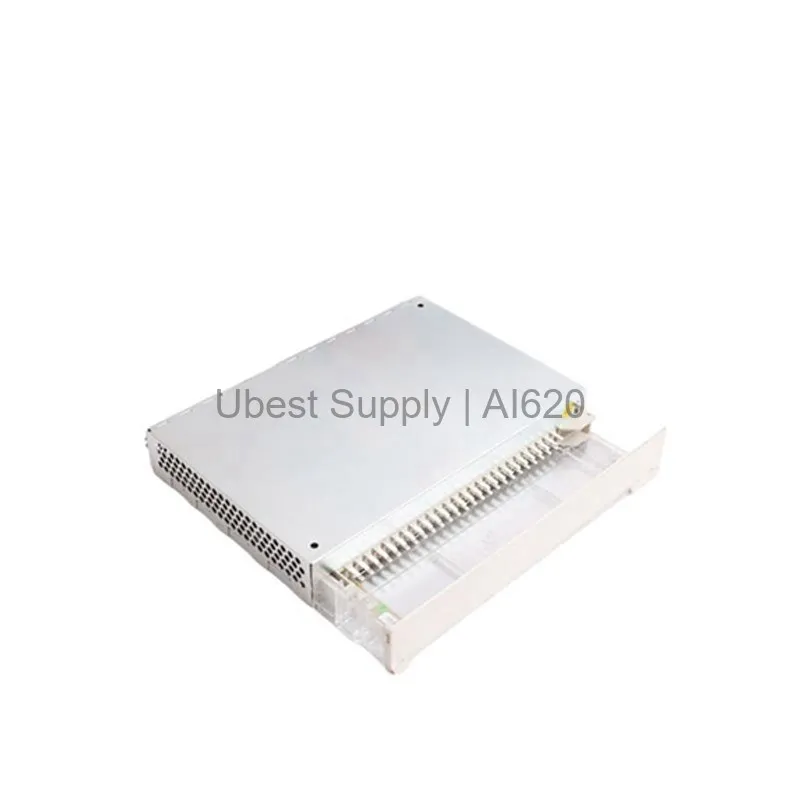
 1746-OX8 | Allen-Bradley Digital Contact Output Module Supplier
1746-OX8
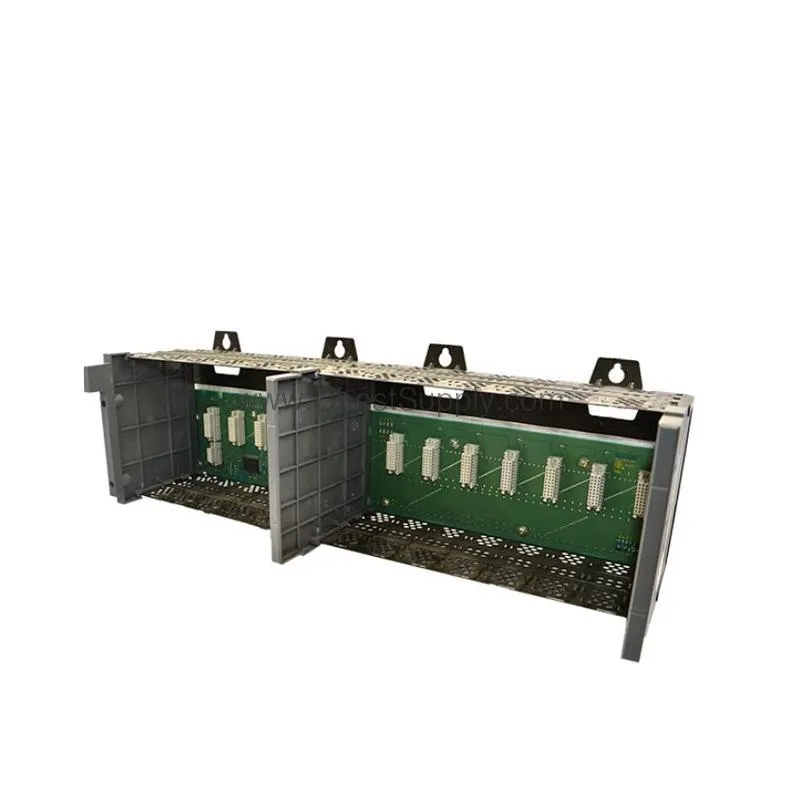
The 1746-OX8 from Allen-Bradley is a SLC 500 digital contact output module...

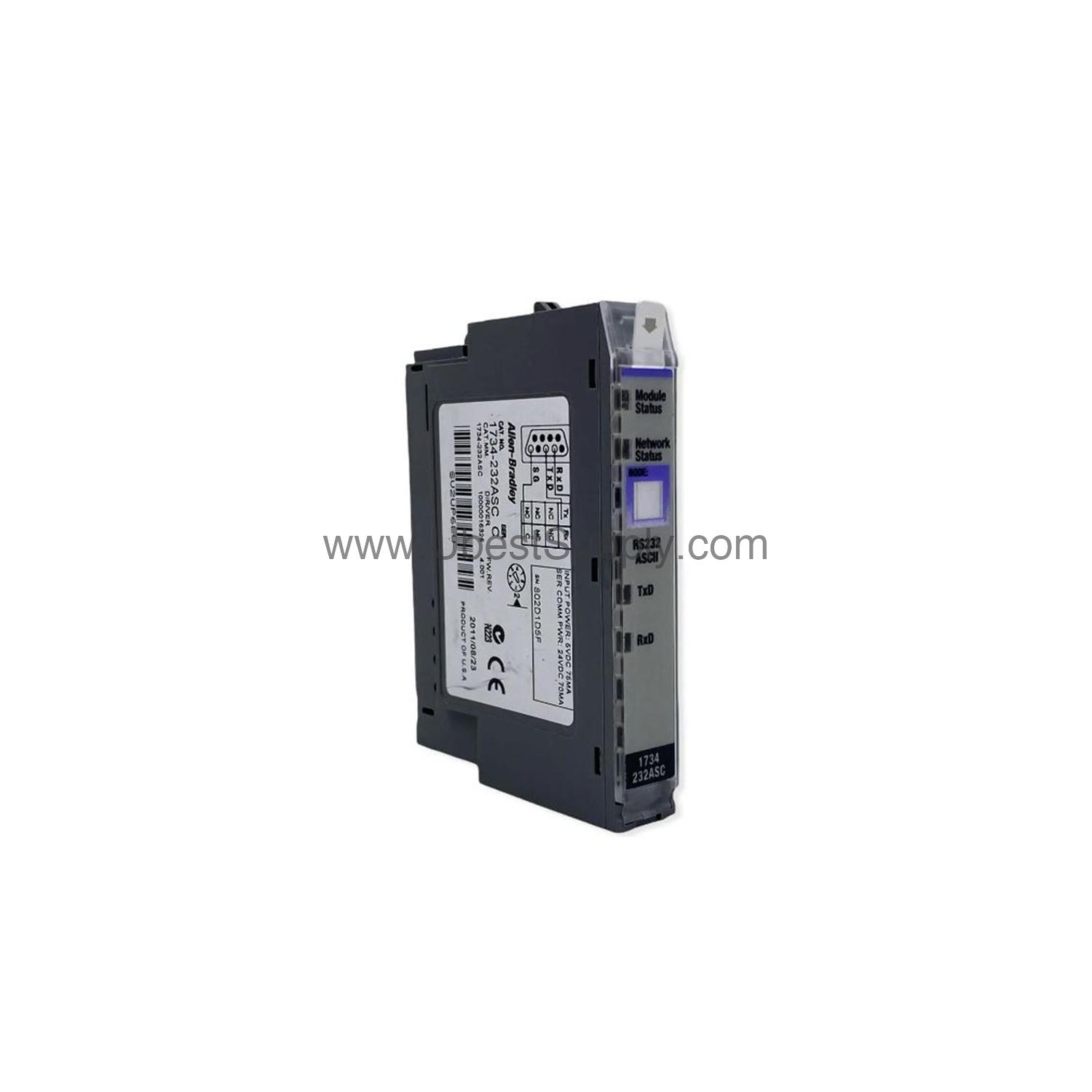
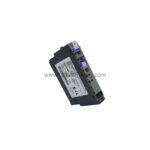
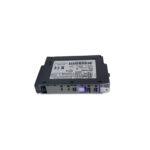
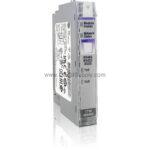
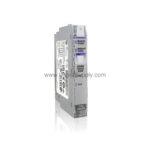
When your industrial system demands seamless communication between PROFIBUS networks and I/O modules, the 1734-APB from Allen-Bradley delivers a robust solution. As a POINT I/O PROFIBUS DP Network Adapter, it operates on the PointBus backplane as a master unit and as a slave on the PROFIBUS network, enabling efficient data exchange. With a nominal input voltage of 24 Volts DC and a field side power of 400 milliamps, this adapter ensures stable performance in demanding environments.
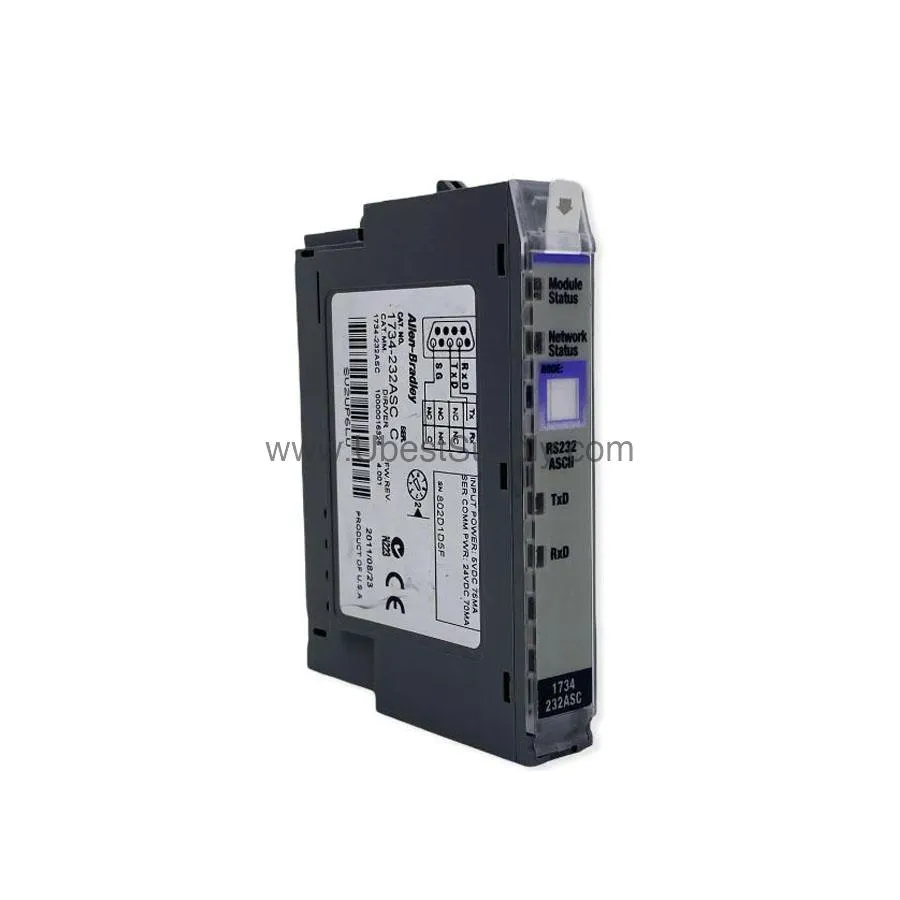
A distinctive spec is the reverse polarity protection, which safeguards the module from incorrect wiring, reducing downtime and maintenance costs.
In manufacturing plants, the 1734-APB integrates POINT I/O modules with PROFIBUS DP networks, enabling precise control of sensors and actuators. For example, in a packaging line, it streamlines data flow between a PLC and remote I/O points. Additionally, in process automation, it ensures reliable communication for monitoring and control tasks. This adapter is ideal for industries requiring scalable and modular I/O solutions.
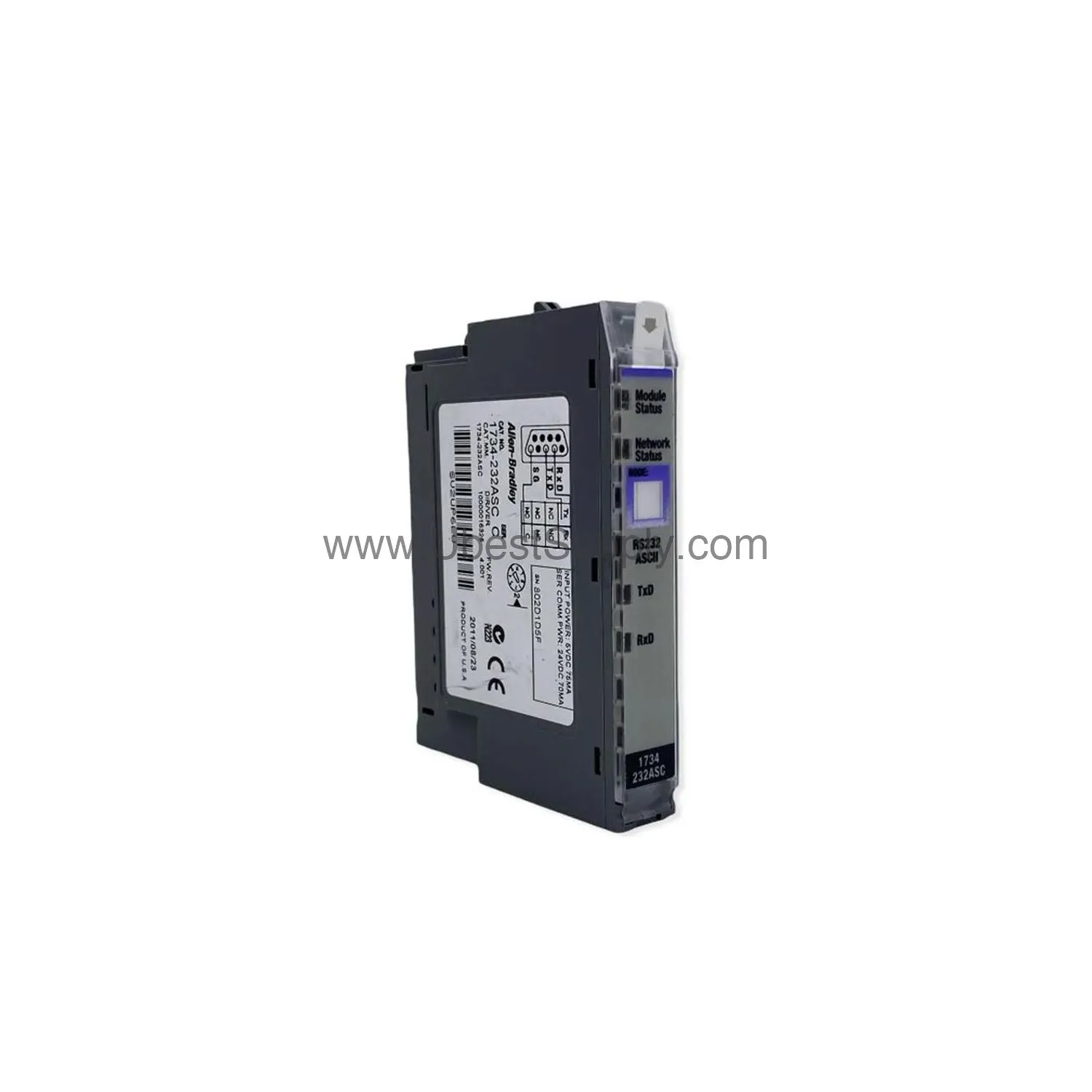
Install the 1734-APB at the left side of a 1734 system to convert field power to PointBus 5 Volts logic power. Ensure the input voltage is within the 10 to 28.8 Volts DC range. Connect the PROFIBUS cable to the adapter's network port and verify proper termination. For optimal performance, use a Safety Extra Low Voltage (SELV) or Class 2 power supply as per CE Low Voltage Directives.
Regularly inspect the 1734-APB for signs of wear or damage. Keep the module free from dust and moisture to prevent overheating. The reverse polarity protection feature minimizes risk from wiring errors, enhancing long-term reliability. For cost savings, periodic checks can prevent unexpected failures and extend service life.
The 1734-APB is designed for the Allen-Bradley POINT I/O series and communicates via PROFIBUS DP. It functions as a slave on the PROFIBUS network, exchanging I/O data with a PROFIBUS master. On the PointBus, it acts as a master, supporting up to 63 POINT I/O modules. This adapter works with various Rockwell Automation controllers and third-party PROFIBUS masters.
A: The 1734-APB has a nominal input voltage of 24 Volts DC, with a range of 10 to 28.8 Volts DC.
A: The 1734-APB can communicate with up to 63 POINT I/O modules on the PointBus.
A: Yes, the 1734-APB features reverse polarity protection for input overvoltage.
A: The POINTBus current is 1000 milliamps, providing power to connected modules.
A: Yes, a Safety Extra Low Voltage (SELV) power supply can be used to comply with CE Low Voltage Directives.
The 1734-APB is in stock and ready to ship from Petro Auto Tech. Contact our team for pricing and availability. We provide fast delivery and support for your industrial automation needs.
| Part Number | 1734-APB |
| Condition | In Stock |
| Stock Status | In Stock (Ready to Ship) |
| Weight | 0.5 kg |
| Warranty | 12 Month |
Shipping Port: Xiamen
We ship worldwide via DHL, FedEx, UPS, TNT, and EMS. In-stock items are dispatched within 24 hours of payment confirmation. Tracking number will be provided after shipment.
Secure payment processing. Contact us for corporate account and bulk order pricing.
All products come with a 1-year warranty against manufacturing defects. We guarantee 100% new and original products sourced directly from authorized manufacturers.
In Stock  In Stock
  In Stock
 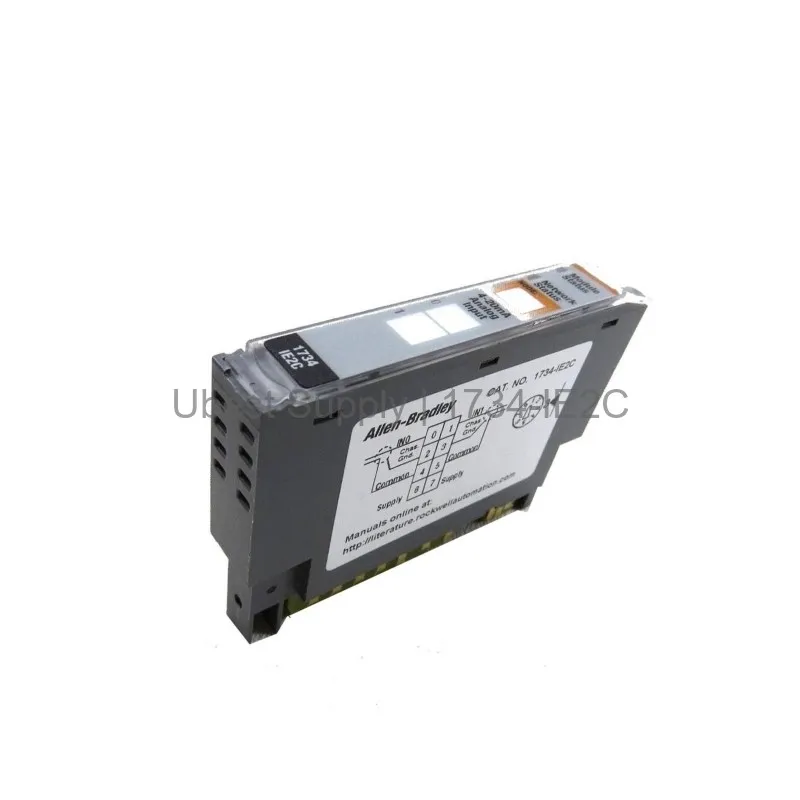 In Stock
 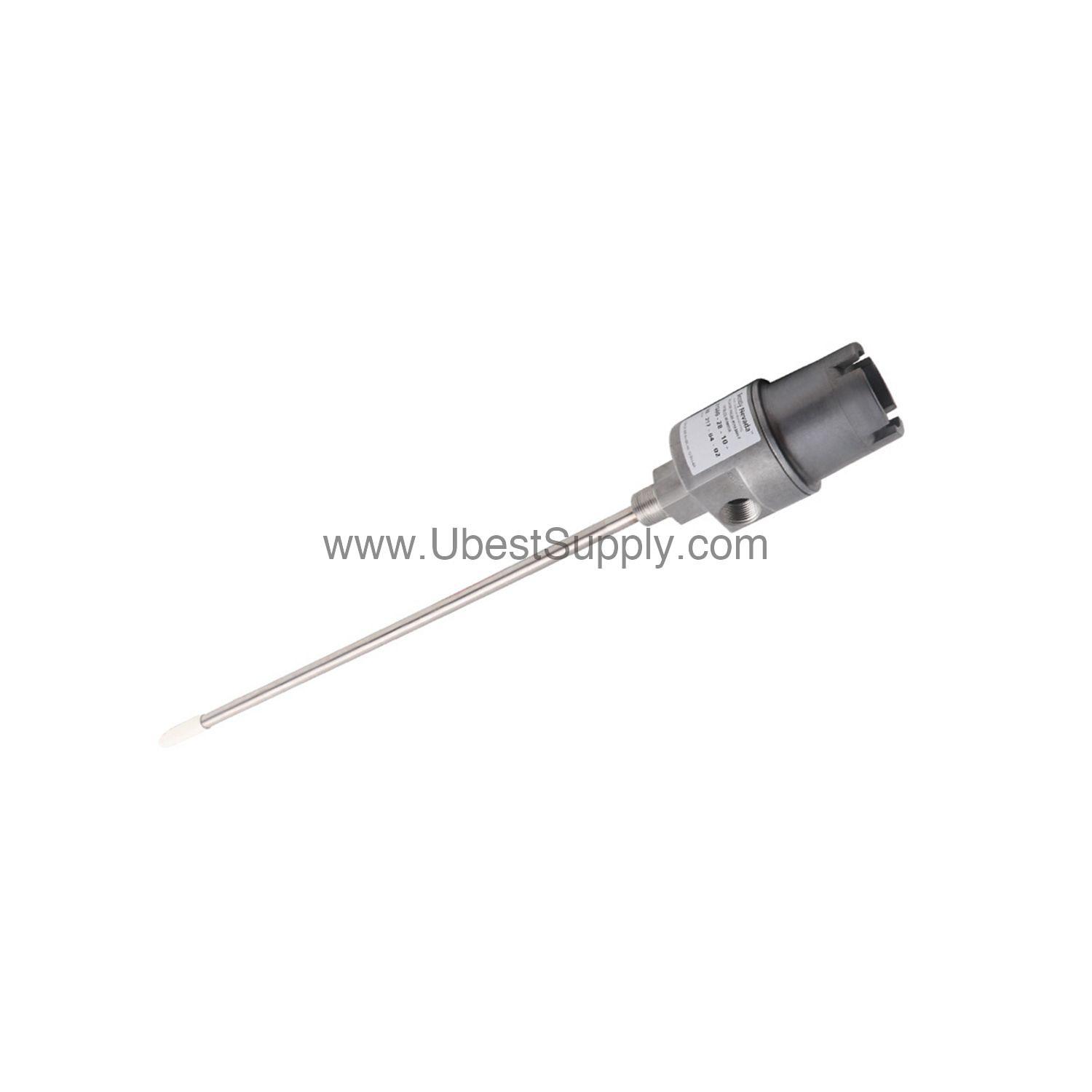 In Stock
 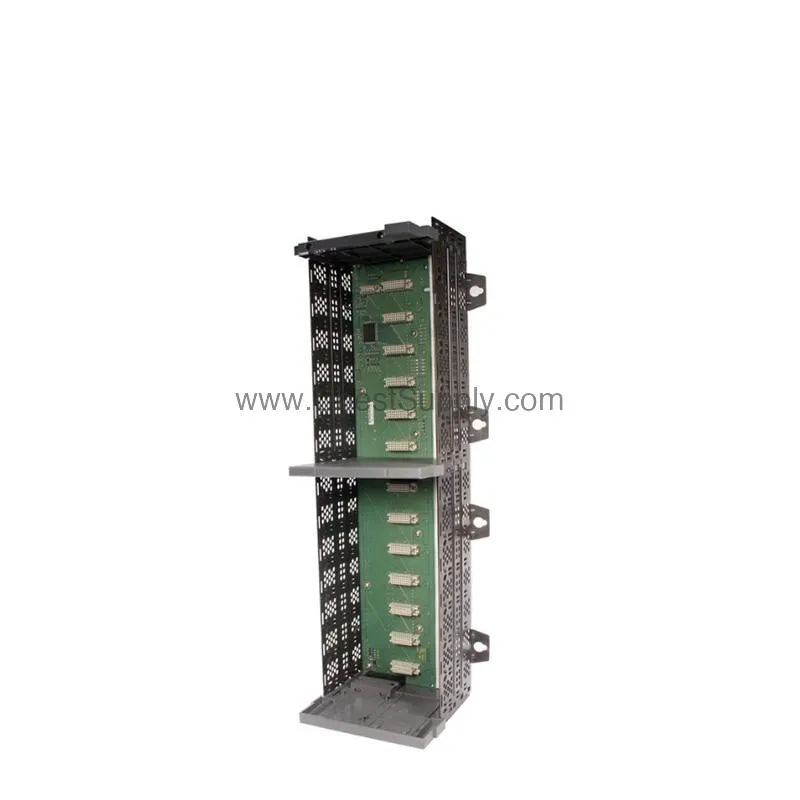 In Stock
 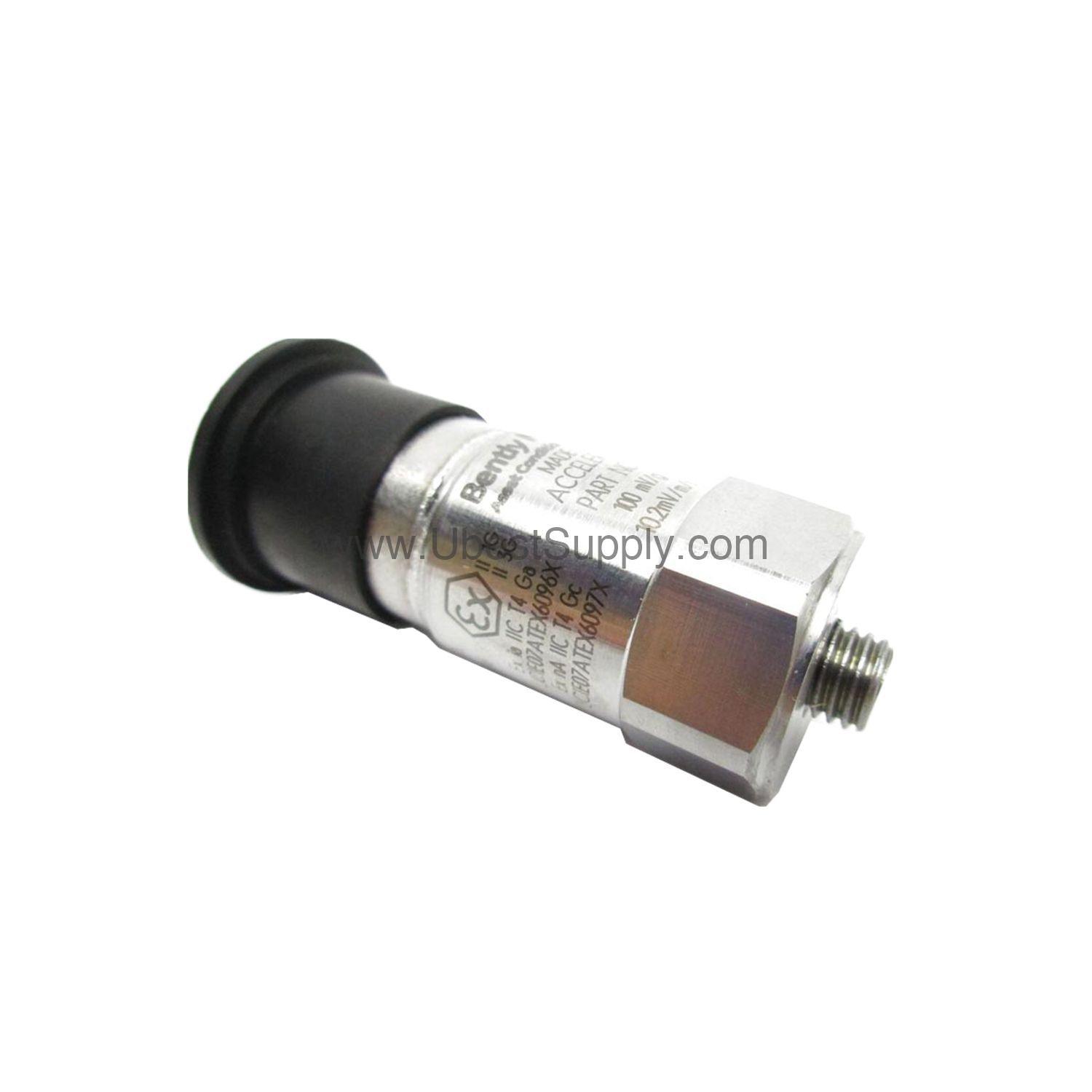 In Stock
  In Stock
 Stay informed with the latest industry insights, product announcements, and technical articles.