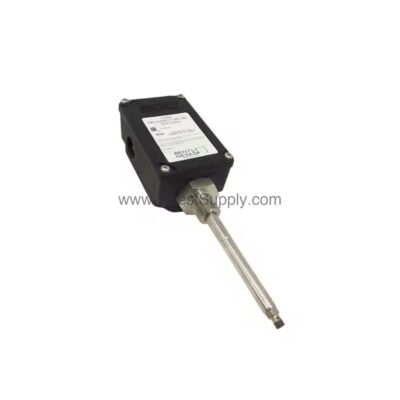
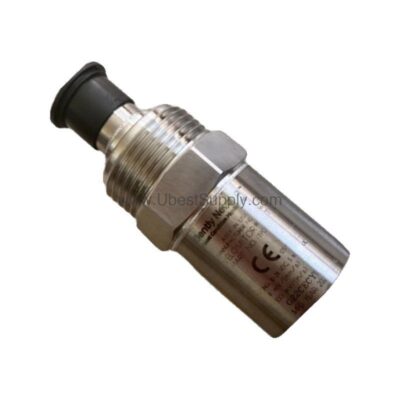
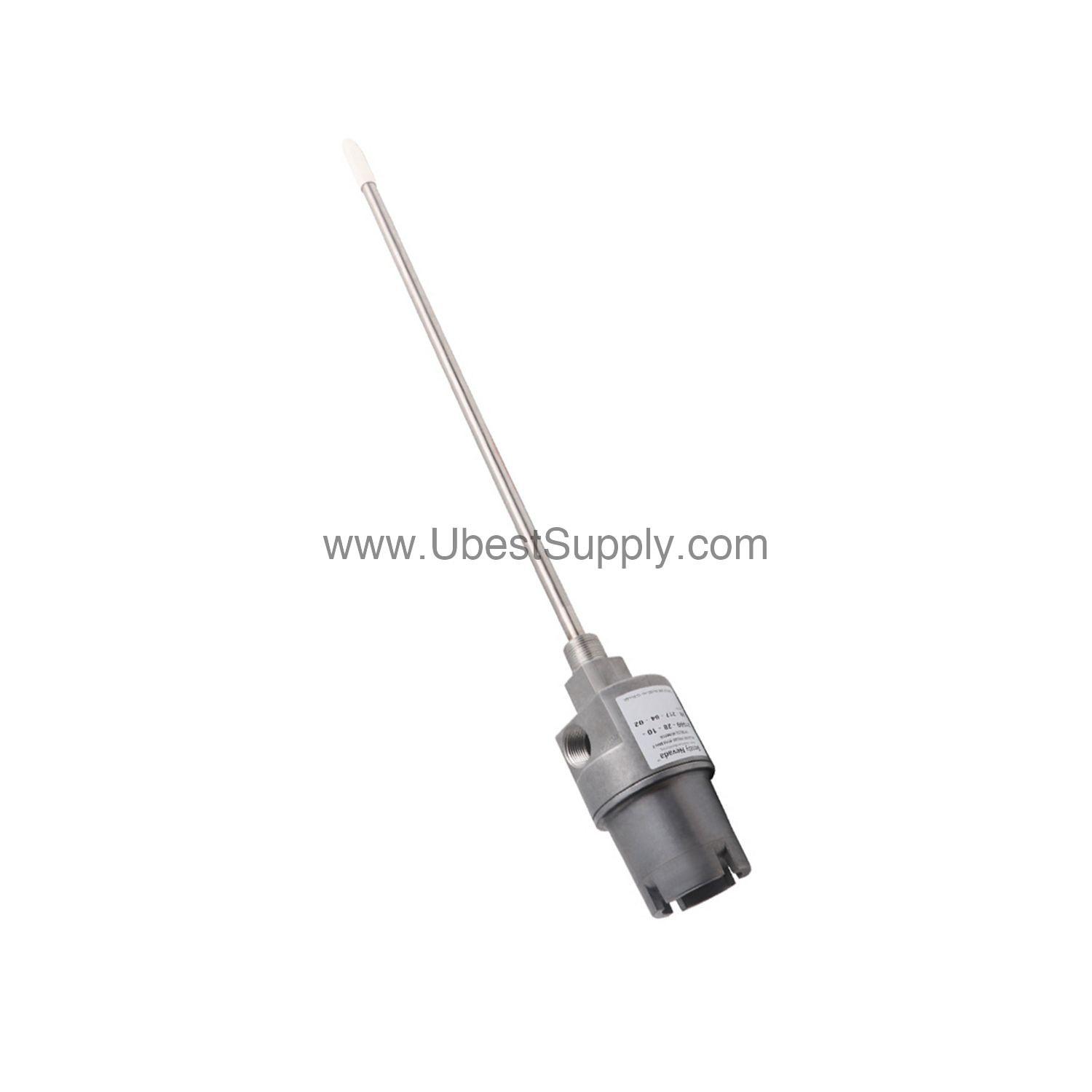
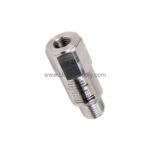
Introduction to the Bently Nevada 200150-09-05 Accelerometer
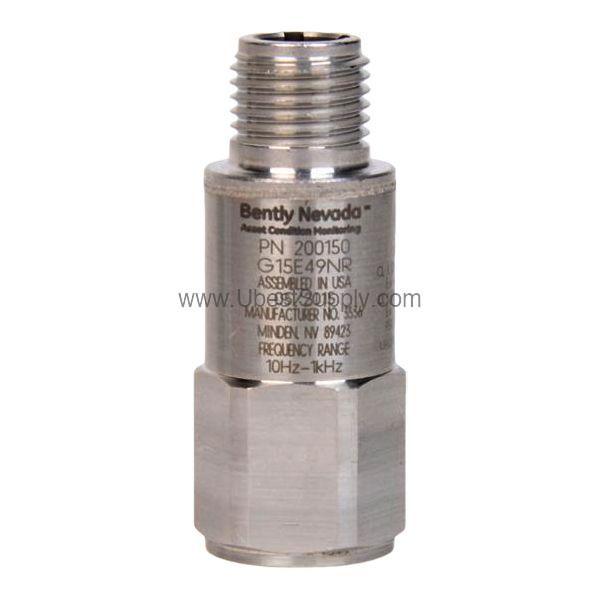
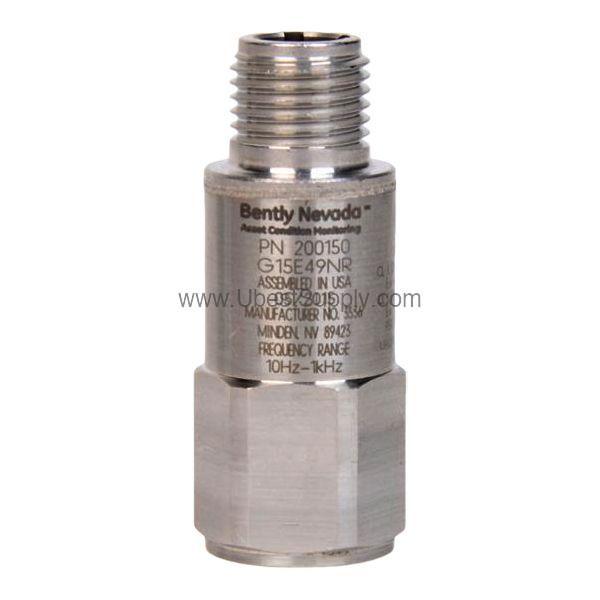
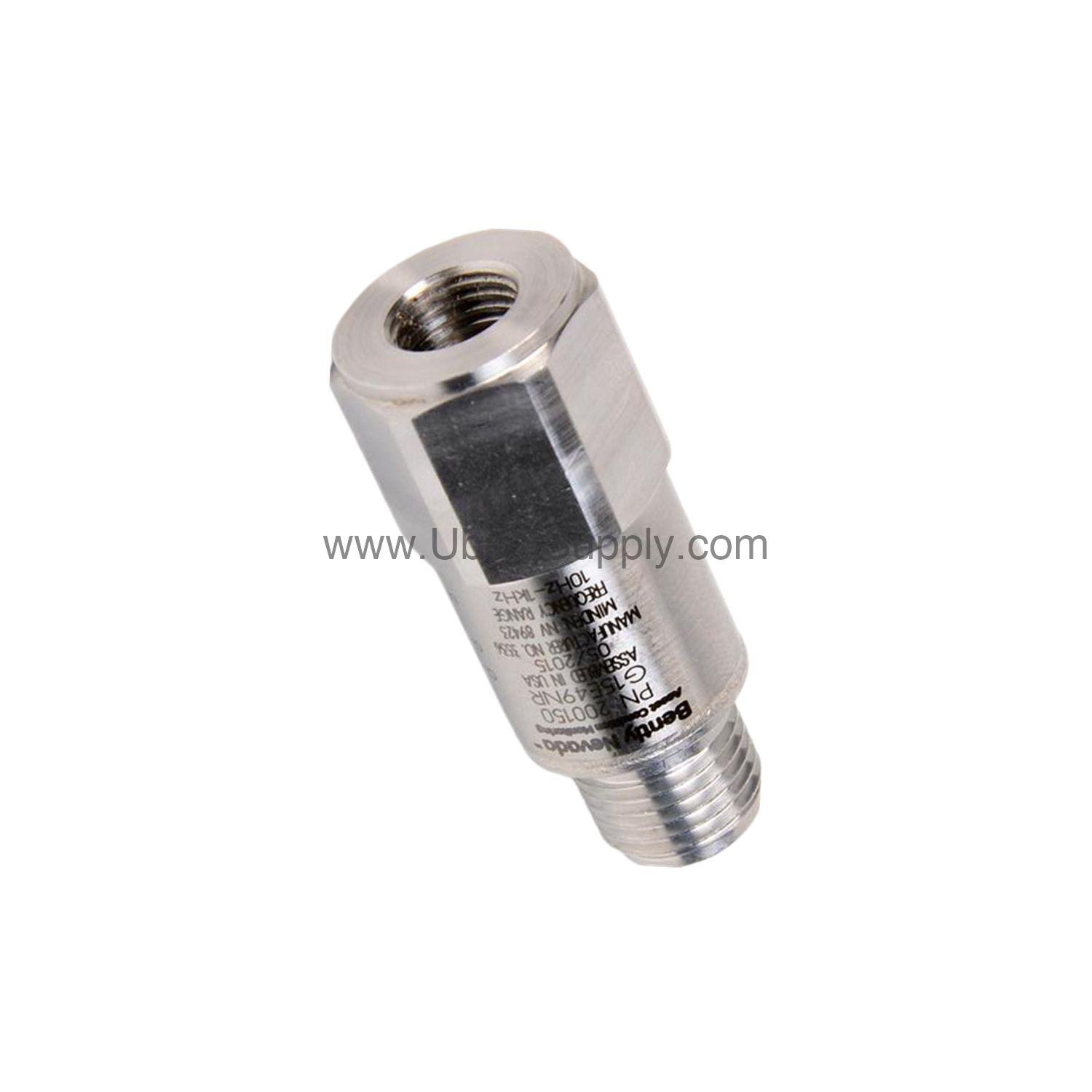
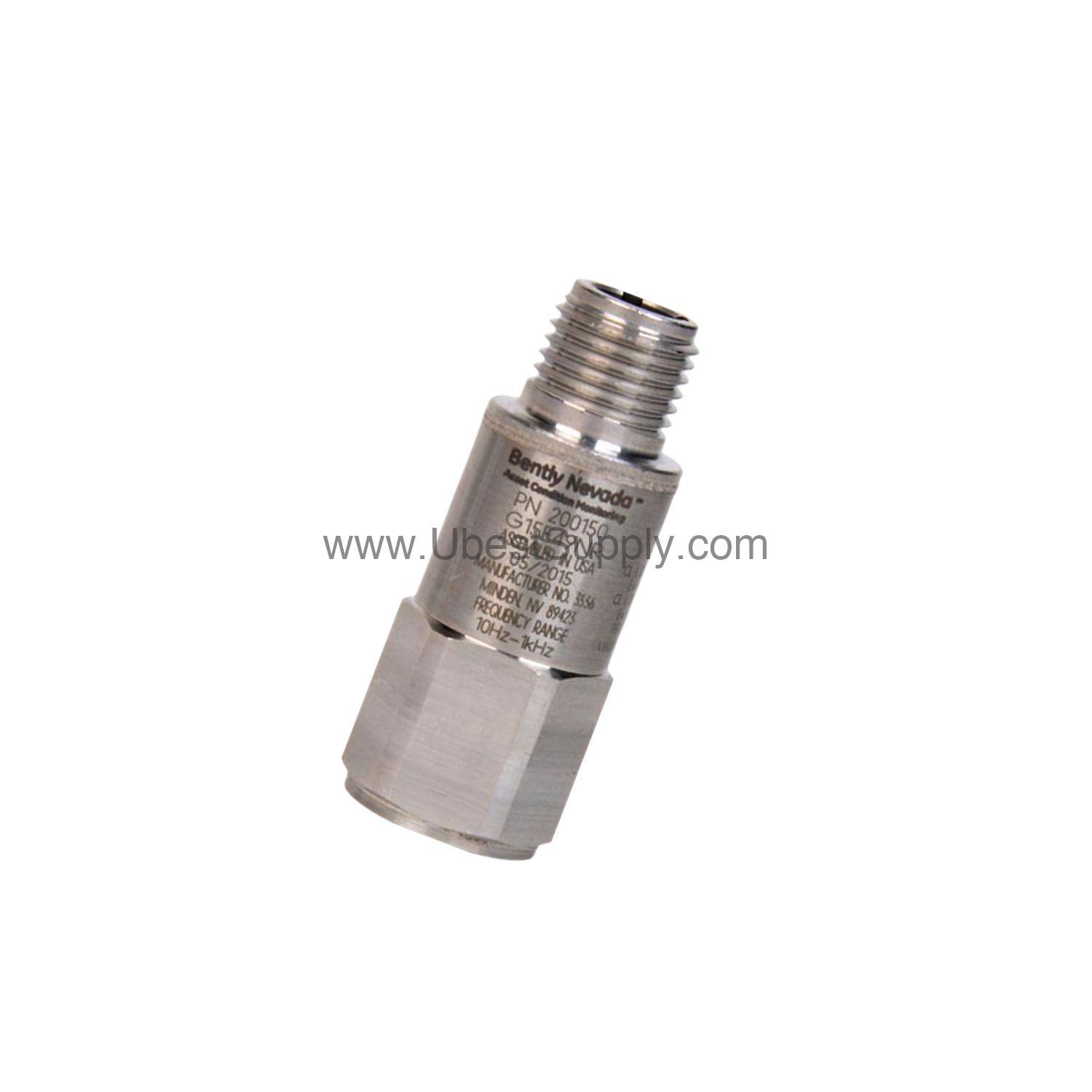
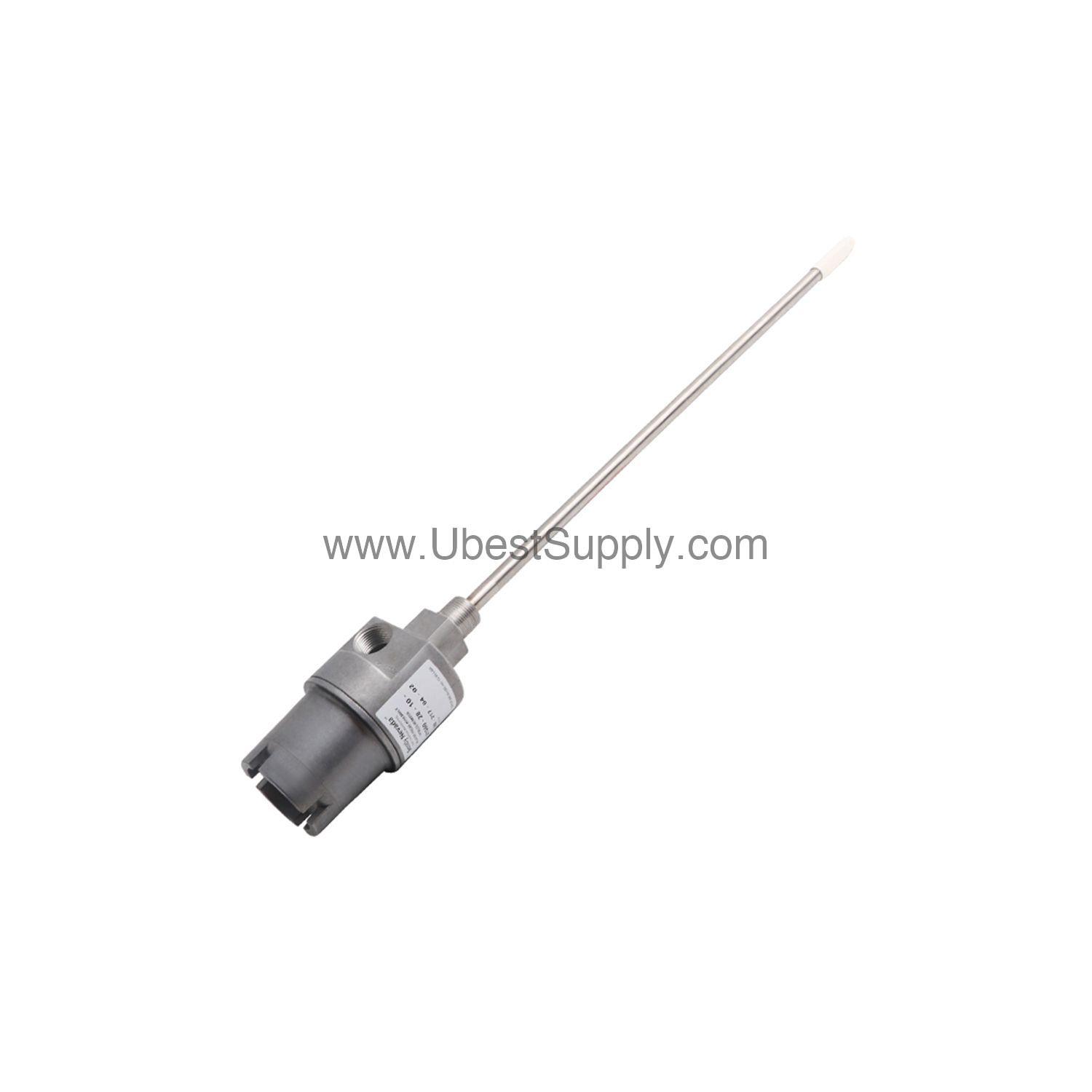
When machinery vibration threatens uptime, the 200150-09-05 from Bently Nevada provides reliable data for predictive maintenance. This general purpose accelerometer is designed for use with Trendmaster 2000 or Trendmaster Pro systems. It offers a measurement range of ±245 m/s² (±25 g) and a frequency response from 10 to 1000 Hz. Engineers trust this sensor for continuous monitoring in industrial environments.
Key Features and Technical Specifications
- Sensitivity: 10.2 mV/(m/s²) (100 mV/g) at 80 Hz, ±12%.
- Measurement Range: ±245 m/s² (±25 g) peak.
- Frequency Range: 10 to 1000 Hz (600 to 60,000 cpm), referenced to 80 Hz.
- Mounted Resonant Frequency: Greater than 20 kHz.
- Amplitude Linearity: ±2% from 1 to 10 g peak.
- Transverse Sensitivity: ≤7%.
- Excitation Voltage: 4.7 to 5.5 Vdc.
- Output Bias Voltage: +2.5 ± 0.23 Vdc.
- Quiescent Current: Less than 800 µA.
- Temperature Range: -40 °C to +105 °C (-40 °F to +221 °F).
- Sealing: Hermetic, 5×10⁻⁸ atm·cc/s maximum.
- Weight: 58 g (2.0 oz), typical.
- Mounting Thread: 3/8-24 female.
- Mounting Torque: 2.7 to 6.8 N·m (2 to 5 ft·lbf).
- Housing Material: 316L stainless steel.
Real-World Applications and Use Cases
In a typical petrochemical plant, the 200150-09-05 monitors pump and motor bearings for early signs of wear. Its wide frequency range captures both low-speed and high-speed vibration components. The accelerometer operates reliably in condensing humidity and extreme temperatures. As a result, maintenance teams can schedule repairs before unplanned failures occur.
Installation and Setup Guidance
Mount the accelerometer using the 3/8-24 female thread with a torque of 2.7 to 6.8 N·m. Ensure the mounting surface is clean and flat for optimal coupling. Connect the sensor to a compatible Trendmaster 2000 system using the appropriate cable. Allow up to 24 hours for the adhesive cure if using a stud mount. Always follow the manufacturer's manual for wiring details.
Maintenance and Reliability Tips
Inspect the accelerometer periodically for signs of corrosion or physical damage. Verify that the mounting torque remains within specification after thermal cycling. The hermetic seal protects against moisture ingress, ensuring long-term stability. For critical machinery, compare baseline readings annually to detect sensor drift.
Compatibility and Integration
The 200150-09-05 integrates directly with Bently Nevada Trendmaster 2000 and Trendmaster Pro systems. It uses the standard acceleration-to-velocity channel type (-01) for seamless data acquisition. This compatibility simplifies upgrades in existing monitoring networks.
Frequently Asked Questions about the 200150-09-05
Q: What is the sensitivity of the 200150-09-05 accelerometer?
A: The sensitivity is 10.2 mV/(m/s²) (100 mV/g) at 80 Hz, with a tolerance of ±12%.
Q: What is the operating temperature range?
A: The accelerometer operates from -40 °C to +105 °C (-40 °F to +221 °F).
Q: What mounting thread does the 200150-09-05 use?
A: It uses a 3/8-24 female thread, with a recommended mounting torque of 2.7 to 6.8 N·m.
Q: Is the 200150-09-05 suitable for hazardous areas?
A: Yes, the -05 approval option includes multiple certifications: CSA, ATEX, and IECEx.
Q: What is the measurement range of this accelerometer?
A: The measurement range is ±245 m/s² (±25 g) peak.
Product Support and Availability
The 200150-09-05 is available from Petro Auto Tech, an industrial automation parts supplier. Contact our team for current stock levels and lead times. We can assist with application questions and cross-referencing.

 In Stock