
Product Summary
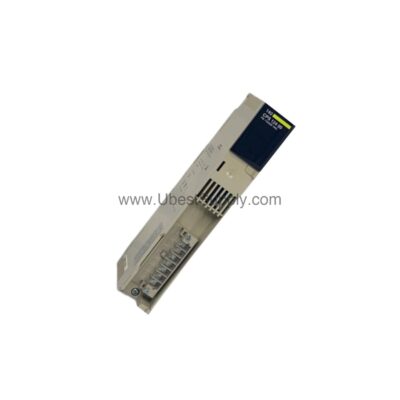
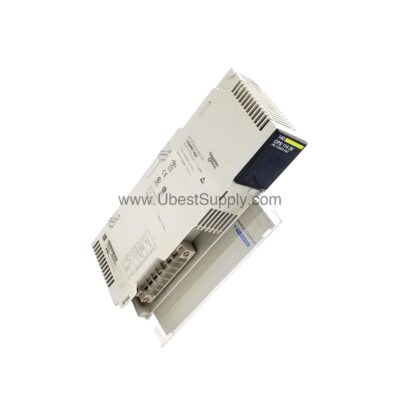
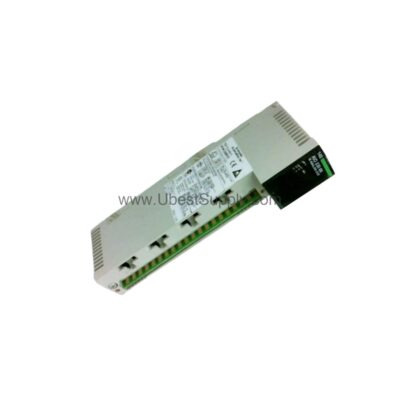
The 1747-SN is a high-speed Remote I/O scanner module for SLC 500 processors. It integrates HMIs and automation devices seamlessly. This module uses one dedicated RIO communication port. It requires Belden 9463 cable for optimal performance. The unit supports a maximum cable length of 3048 meters.
Step-by-Step Installation Guide for the 1747-SN
Proper installation ensures reliable communication across your network. This guide uses data from the official specifications.
Mounting and Slot Assignment
First, insert the 1747-SN into any slot in the SLC chassis. The chassis supports up to 30 module slots. This module fits SLC 5/02, 5/03, 5/04, and 5/05 processors. Ensure the chassis power is off before installation. The module weighs only 0.45 kilograms.

Wiring the Communication Port
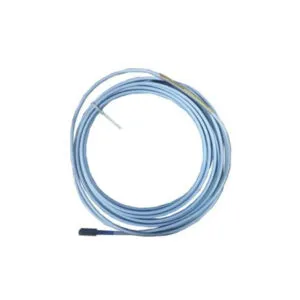
The unit has a single three-pin terminal port. You must use Belden 9463 cable for this connection. Connect devices in a daisy-chain topology for the network. Place an 82-Ohm terminating resistor at both ends. This resistor must be a 1/2 Watt type for non-extended mode.
Configuring Baud Rates via DIP Switches
The 1747-SN offers four selectable baud rates for data transfer. Use DIP switches one and two for selection. For 57.6 Kbaud, set the switches to the correct positions. At this rate, the cable can reach 3048 meters (10000 ft). For 230.4 Kbaud, the maximum distance reduces to 762 meters (2500 ft).
Setting Up Network Modes
This scanner module operates in normal or complementary mode. Normal mode supports communication with up to 16 devices. Complementary mode extends this support to 32 devices. Choose the mode based on your network size.

Expert Technical Evaluation of the 1747-SN
This evaluation reviews the performance and environmental tolerances. The module operates reliably in harsh industrial settings.
Environmental and Power Specifications
The 1747-SN operates within a temperature range of 0 to 60 degrees Celsius. It withstands storage temperatures from -40 to 85 degrees Celsius. The module handles relative humidity from 5 to 95 percent. It requires a 5-volt backplane current of 600 milliamps. It also needs a 24-volt backplane current of 90 milliamps.
Communication Performance Review

This scanner module transfers data at 57.6 Kbaud over long distances. It also supports faster rates of 230.4 Kbaud for shorter runs. The node’s extended capability allows data transfer at these rates. Non-extended capability also works at the same rates. The unit uses flash backup memory for storing configurations.
Compliance and Certification
The module holds strict industry certifications for safety and reliability. It is UL and C-UL listed for Class I Division 2 areas. The device is CE marked for all applicable European directives. It also holds C-Tick marks for Australian regulations. These certifications ensure the unit meets global standards.