Product Summary
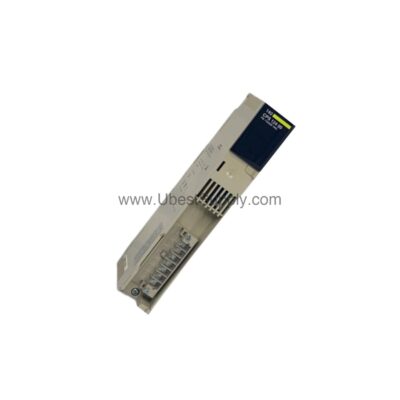
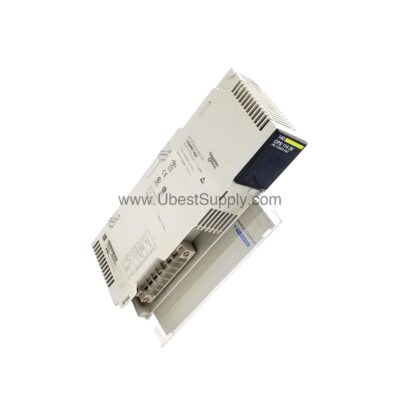
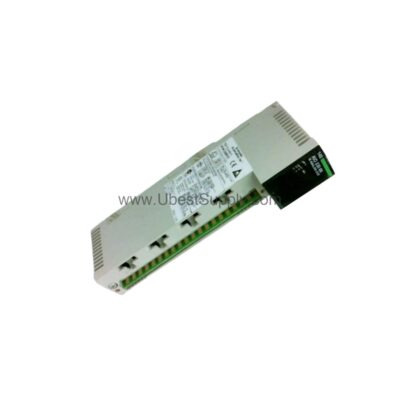
The 1794-IC16 is a high-density digital input module from Rockwell Automation. This Flex I/O unit offers 16 nonisolated sinking inputs for monitoring discrete signals. It efficiently handles on-state voltages from 30V to 60V DC. Engineers use this module to expand system capacity in demanding industrial environments. Its compact design simplifies installation in tight spaces.
Theme A: Product Procurement & Buyer Guide
Aligning Specs with Industrial Needs
Procurement managers require precise technical alignment for system integration. The 1794-IC16 directly addresses the need for reliable signal monitoring. It provides 16 sinking inputs within a voltage range of 30V to 60V DC. This flexibility suits various 48V DC control systems common in modern factories. It handles on-state currents from 2.0mA up to 7.0mA. The module clearly defines off-state thresholds under 10V DC. This ensures accurate detection of inactive signals. Engineers avoid false readings with this clear voltage margin.
Solving Key System Capacity Pain Points
Application engineers often struggle with limited I/O points in compact racks. The 1794-IC16 solves this by packing 16 inputs into a single slot. This drastically increases the functional capacity of your stock module setup. You can support more processes without needing a larger chassis. The module weighs just 0.13 lbs for easy handling. Its dimensions of 46 x 94 x 53 mm save valuable panel space. This module integrates seamlessly with the 1794-TB3 terminal base unit.

Ensuring Compatibility and Infrastructure
Successful deployment requires matching the module with correct accessories. The 1794-IC16 works with configurable terminal blocks like the 1794-TB3S. You must use the proper communication media for interface between the module and remote desktop. The operating voltage varies from 5 to 125 Volts DC. This depends entirely on the specific terminal block you select. Always pair this module with a compatible adapter for FlexBus communication. The module draws only 25mA at 5V DC from the backplane. This low draw preserves power for other system components.
Theme F: Deep-Dive Technical FAQ
Q1: What is the maximum isolation voltage for the 1794-IC16?
This module withstands 1900 Volts DC of isolation. This high rating protects sensitive downstream electronics. It ensures operator safety during high-voltage transient events. You must still use a surge protector for power imbalance cases.
Q2: How do I configure the input filter time?

The filter time is configurable based on your specific process needs. Access the module parameters through your control programming software. Adjust the filter to reject electrical noise from the environment. Faster filters work for high-speed counting applications. Slower filters ignore brief spurious signals from contact bounce.
Q3: What are the key electrical thresholds for the sinking inputs?
The module uses nonisolated sinking inputs for ground-referenced signals. The on-state voltage minimum is 30V DC. The maximum is 60V DC. The off-state voltage maximum is 10V DC. The nominal input impedance is 11 kΩ. This defines the load the module presents to your sensors.
Q4: What do the 16 status indicators show?
Each input channel has a dedicated logic-driven indicator. These LEDs show the current on or off state of that channel. They provide immediate visual feedback for troubleshooting. You can quickly verify field device operation without a programming terminal. The module also has a T3 temperature code for safe operation.
Testing and Performance Specifications
Every 1794-IC16 module undergoes rigorous testing for reliable performance. The maximum power dissipation is limited to 6.4W. This results in a heat dissipation figure of 22 BTU/hour. This low thermal output prevents overheating in sealed enclosures. The FlexBus current draw is only 25mA at 5V DC. This allows for dense module population on the backplane. The module supports both screw and DIN rail mounting options. This flexibility accelerates the mechanical installation process. It handles 1900V DC isolation voltage for enhanced system protection. The input filter time is configurable for noise rejection and response speed. You can adjust it to match the unique characteristics of your process.