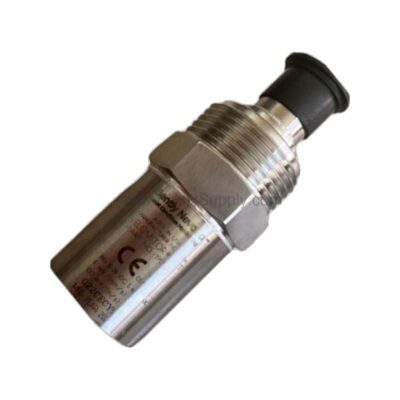
 In Stock
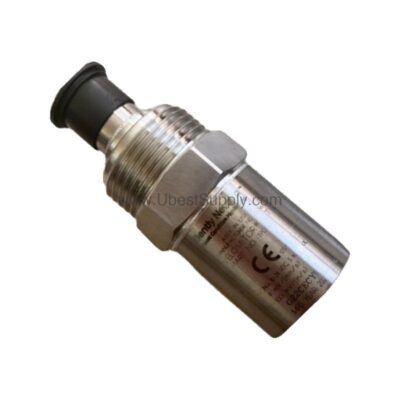
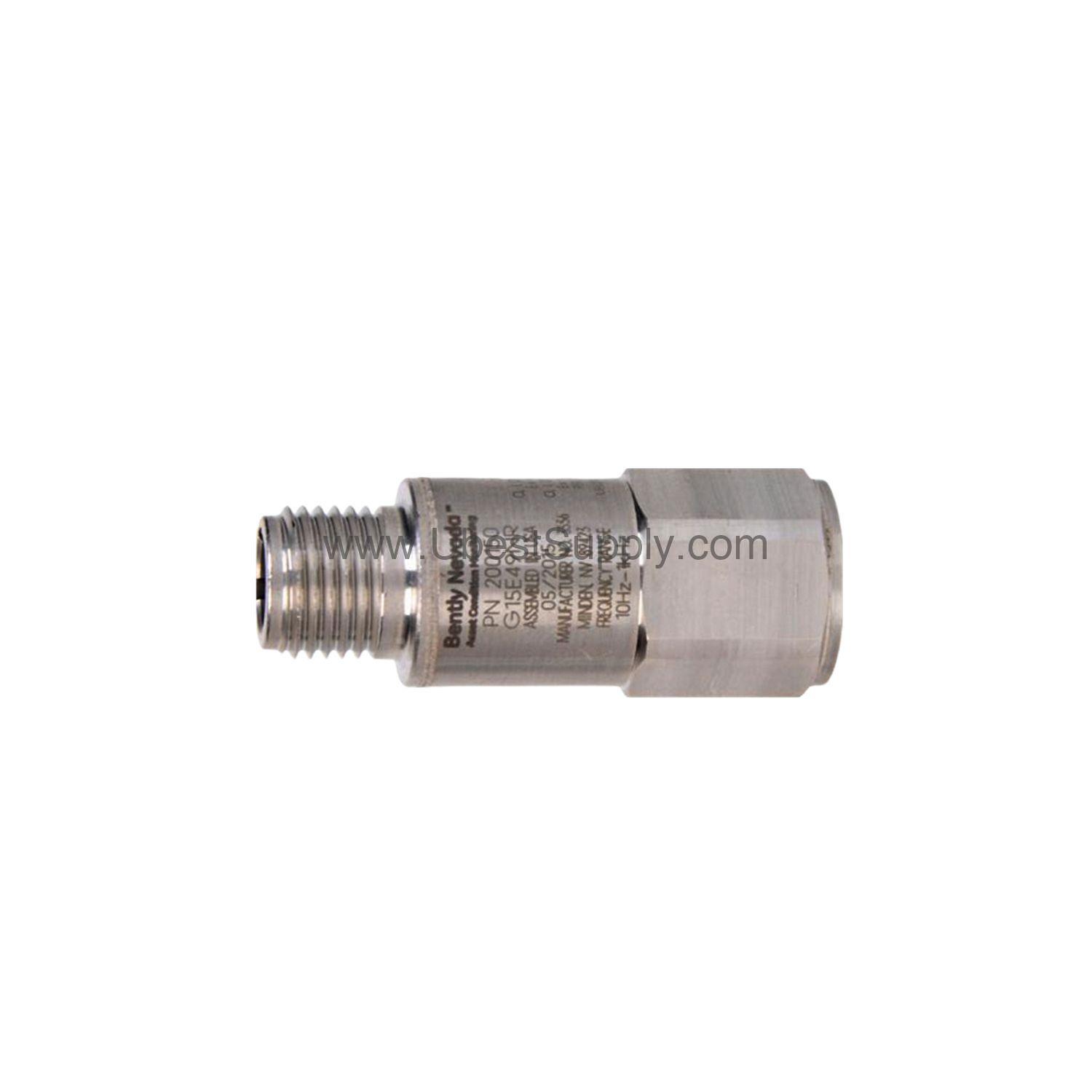
 190501-04-00-CN | Bently Nevada Velomitor CT Velocity Transducer
190501-04-00-CN
The 190501-04-00-CN Bently Nevada Velomitor CT Velocity Transducer delivers reliable vibration monitoring...

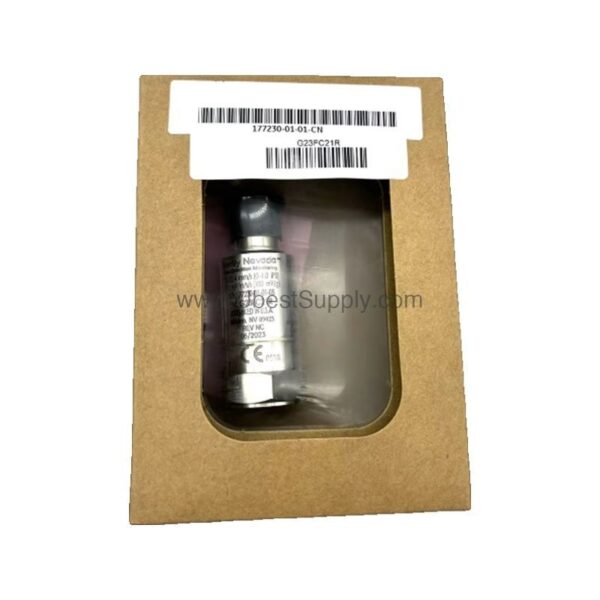
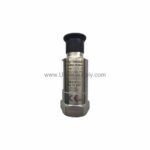
For decades, industrial plants have relied on vibration monitoring to protect rotating machinery. Early systems used simple analog meters, but modern facilities demand precise, continuous data. The 177230-01-01-05 from Bently Nevada represents this evolution—a seismic transmitter that converts vibration into a standard 4-20 mA signal for seamless integration with PLCs, DCS, and SCADA systems.
As machinery speeds increased and maintenance strategies shifted from reactive to predictive, the need for reliable, real-time vibration data became critical. The 177230-01-01-05 meets this need with a compact, hermetically sealed design that withstands harsh environments.
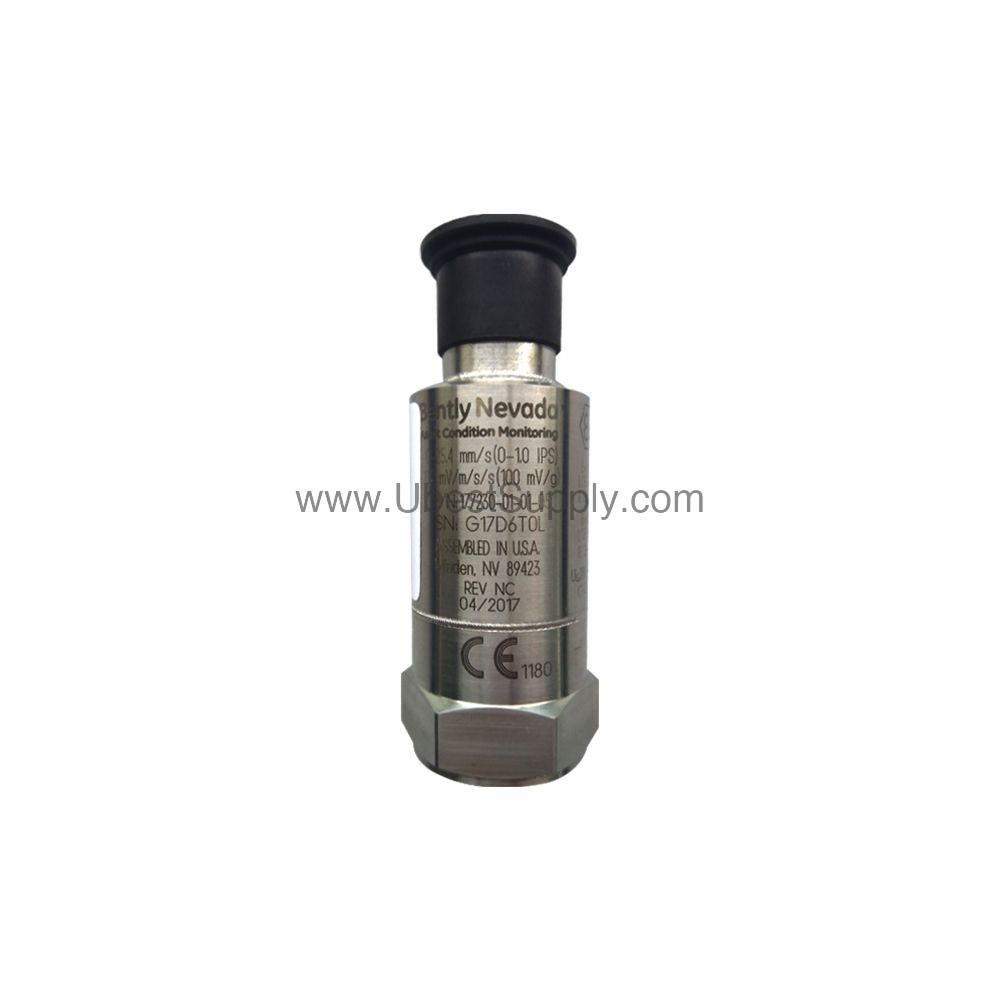
The 177230-01-01-05 is engineered for accuracy and durability. Below are its core specifications:
One distinctive feature is the 4-20 mA main loop sensitivity: 4 ± 0.3 mA equals 0.0 mm/s, and 20 ± 2 mA equals full scale. This ensures accurate, repeatable readings for condition monitoring.
The 177230-01-01-05 is ideal for monitoring vibration on pumps, fans, compressors, and motors. Its 4-20 mA output simplifies integration with existing control systems, enabling continuous monitoring without specialized hardware.
In predictive maintenance programs, this transmitter helps detect imbalance, misalignment, and bearing wear early. Consequently, plants can schedule repairs during planned outages, reducing unplanned downtime.
Moreover, the rugged stainless steel construction and hermetic seal make it suitable for washdown areas and humid environments, where reliability is paramount.
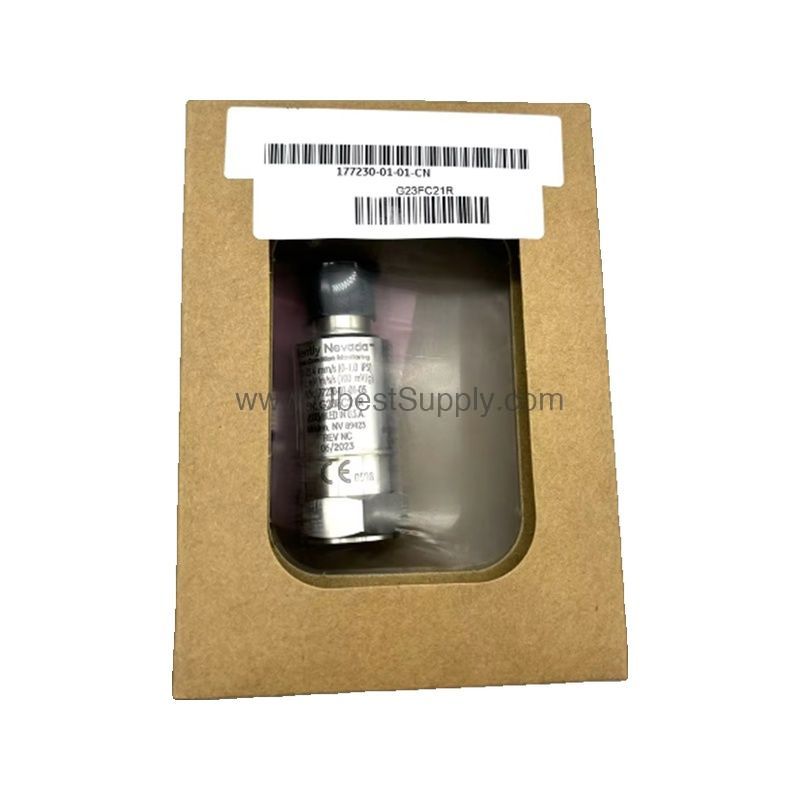
Proper installation is crucial for accurate vibration measurement. The 177230-01-01-05 features a 1/4-28 UNF mounting hole, and mounting threads of M6 x 1 SI, M8 x 1.25 SI, or 1/4-28 UNF are available. Recommended mounting torque is 4 to 7 N-m (35.4 to 62.0 in-lbf).
When mounting, ensure the sensor is firmly attached to a flat, clean surface. Avoid excessive torque, which can distort the case. For best results, mount the transmitter directly on the bearing housing or machine frame, following the manufacturer's guidelines.
Electrical connections use a 3-pin MIL-C-5015 connector. Pin A is the 4-20 mA positive loop, Pin B is the loop return (negative), and Pin C provides an unbuffered dynamic acceleration signal referenced to Pin B.
The 177230-01-01-05 is designed for long service life with minimal maintenance. Its 316L stainless steel case and hermetic seal protect against moisture and corrosion. However, periodic inspection is recommended to verify the sensor is securely mounted and the connector is clean and tight.
Because the transmitter has no moving parts, it is highly reliable. The ceramic shear sensing element offers excellent stability over time. To ensure continued accuracy, check the output signal periodically against a known reference, following the manufacturer's manual.
The 4-20 mA output makes the 177230-01-01-05 compatible with most PLCs, DCS, and SCADA systems that have internal power supplies typically current-limited to 30-35 mA. This universal interface simplifies retrofits and new installations.
Additionally, the dynamic signal on Pin C can be used for advanced diagnostics when connected to compatible Bently Nevada monitoring equipment, providing both overall vibration and raw waveform data.
If the output signal is missing or erratic, first check the power supply voltage (12-30 Vdc) and loop wiring. Ensure Pin A and Pin B are connected correctly. Also, verify that the load resistance is within the loop capability.
If readings are consistently high or low, confirm the sensor is mounted securely and not loose. Excessive mounting torque can cause preload, affecting readings. Additionally, check for any physical damage to the connector or cable.
For persistent issues, consult the official Bently Nevada documentation or contact Petro Auto Tech for technical support.
A: The measurement range is 0 to 25.4 mm/s (0 to 1.0 in/s) RMS.
A: It provides a 4-20 mA current loop output, proportional to RMS vibration levels.
A: The excitation voltage is 12 to 30 Vdc, with current limited to 40 mA.
A: Yes, it can operate in relative humidity up to 100% non-submerged.
A: It has multiple approvals including CSA/NRTL/C and ATEX/IECEx.
The 177230-01-01-05 is available from Petro Auto Tech. Contact our team to verify current lifecycle status and availability before ordering. We are ready to assist with your vibration monitoring needs.
| Part Number | 177230-01-01-05 |
| Condition | In Stock |
| Stock Status | In Stock (Ready to Ship) |
| Weight | 0.5 kg |
| Warranty | 12 Month |
Shipping Port: Xiamen
We ship worldwide via DHL, FedEx, UPS, TNT, and EMS. In-stock items are dispatched within 24 hours of payment confirmation. Tracking number will be provided after shipment.
Secure payment processing. Contact us for corporate account and bulk order pricing.
All products come with a 1-year warranty against manufacturing defects. We guarantee 100% new and original products sourced directly from authorized manufacturers.
In Stock  In Stock
  In Stock
  In Stock
  In Stock
  In Stock
  In Stock
  In Stock
 Stay informed with the latest industry insights, product announcements, and technical articles.