 In Stock
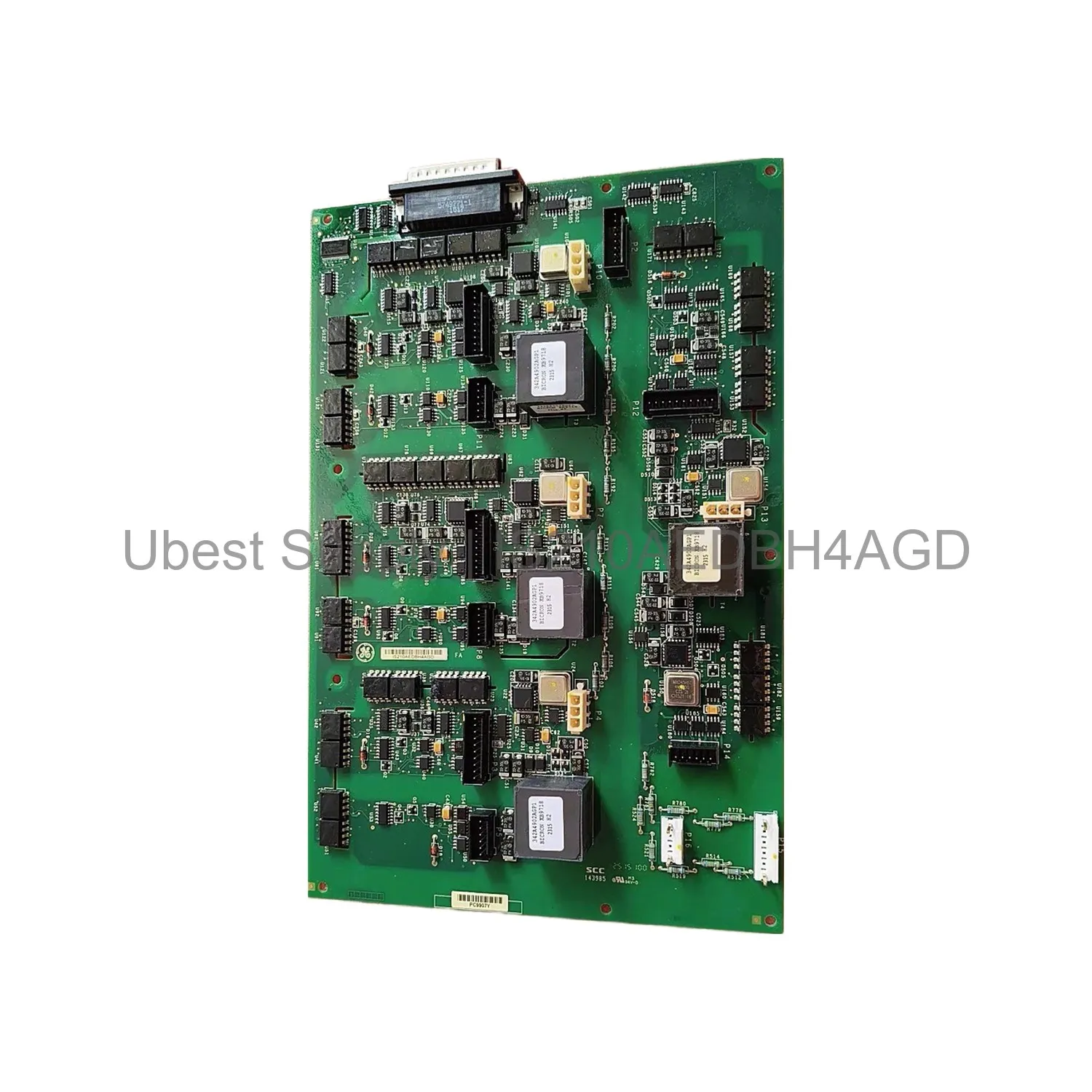
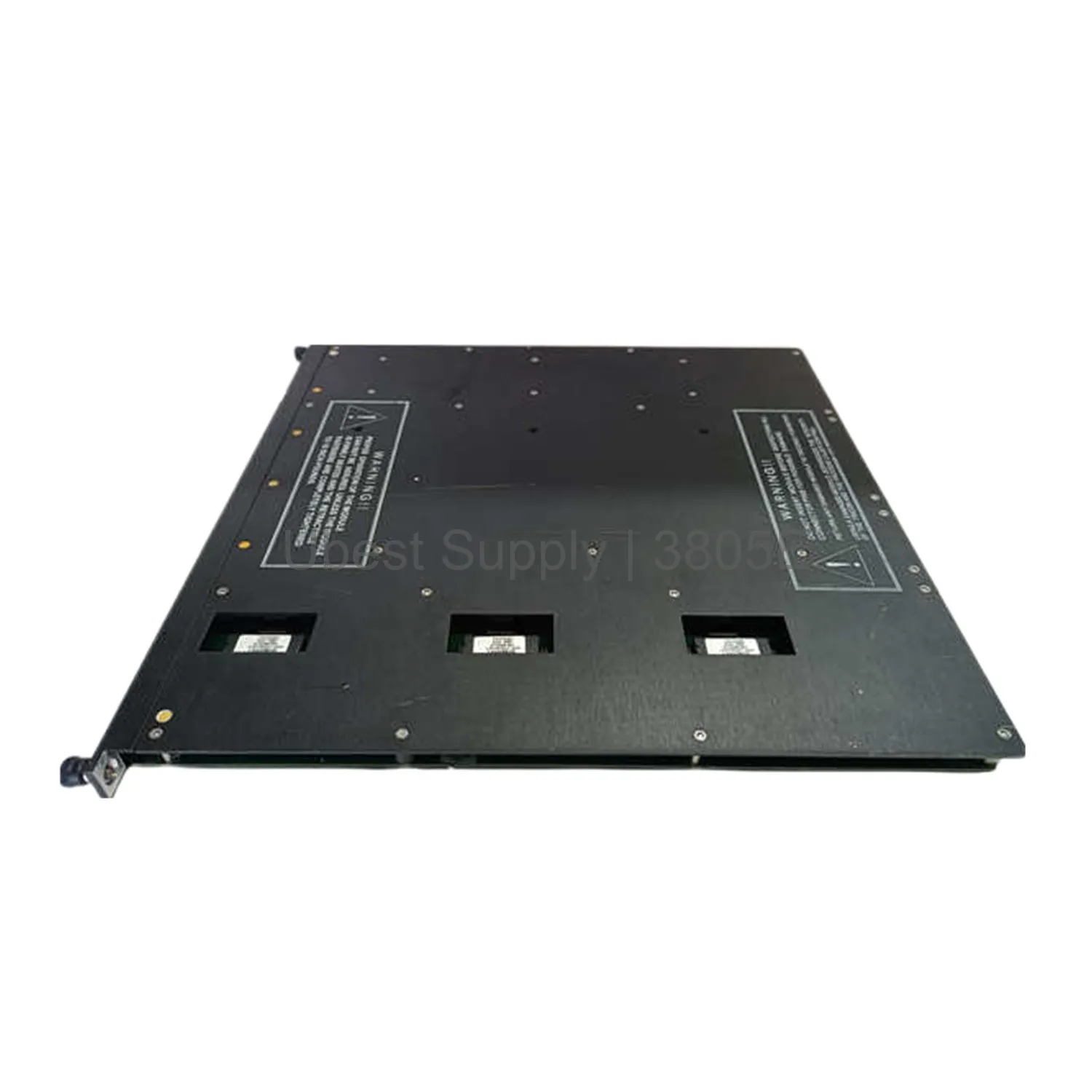
 GE IS210AEDBH4AGD Mark VI Bridge Interface Card
IS210AEDBH4AGD
The GE IS210AEDBH4AGD is a high-performance Bridge Interface Card for Mark VI...

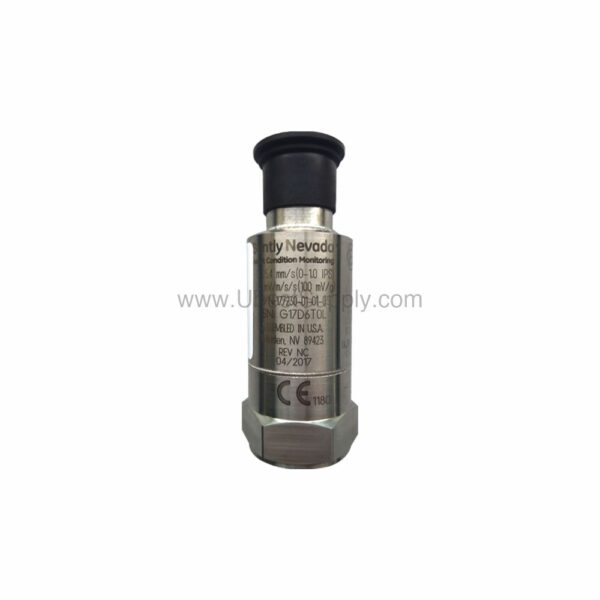
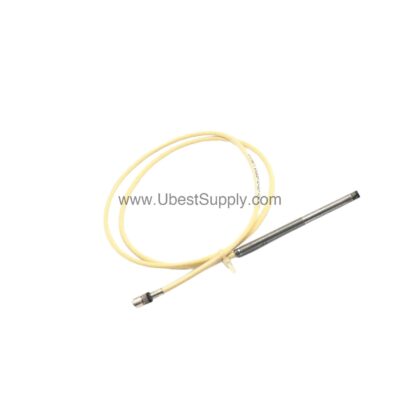
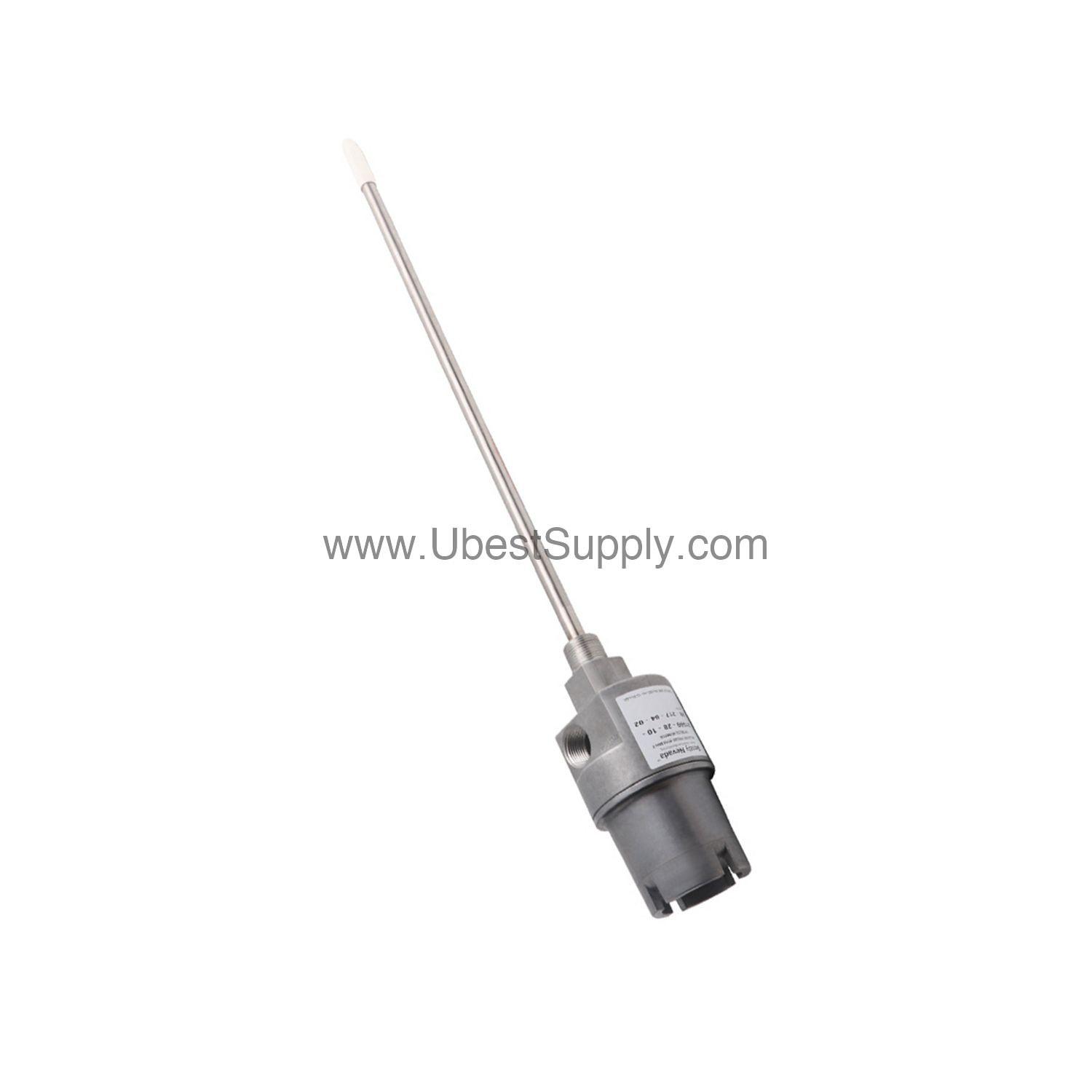
When machinery vibration threatens uptime, the 177230-01-01-CN from Bently Nevada provides a dependable solution. This seismic transmitter converts vibration levels into a standard 4-20 mA current loop signal, enabling seamless integration with PLCs, DCS, and SCADA systems. Designed for continuous operation, it helps maintenance teams detect issues early and avoid costly downtime.
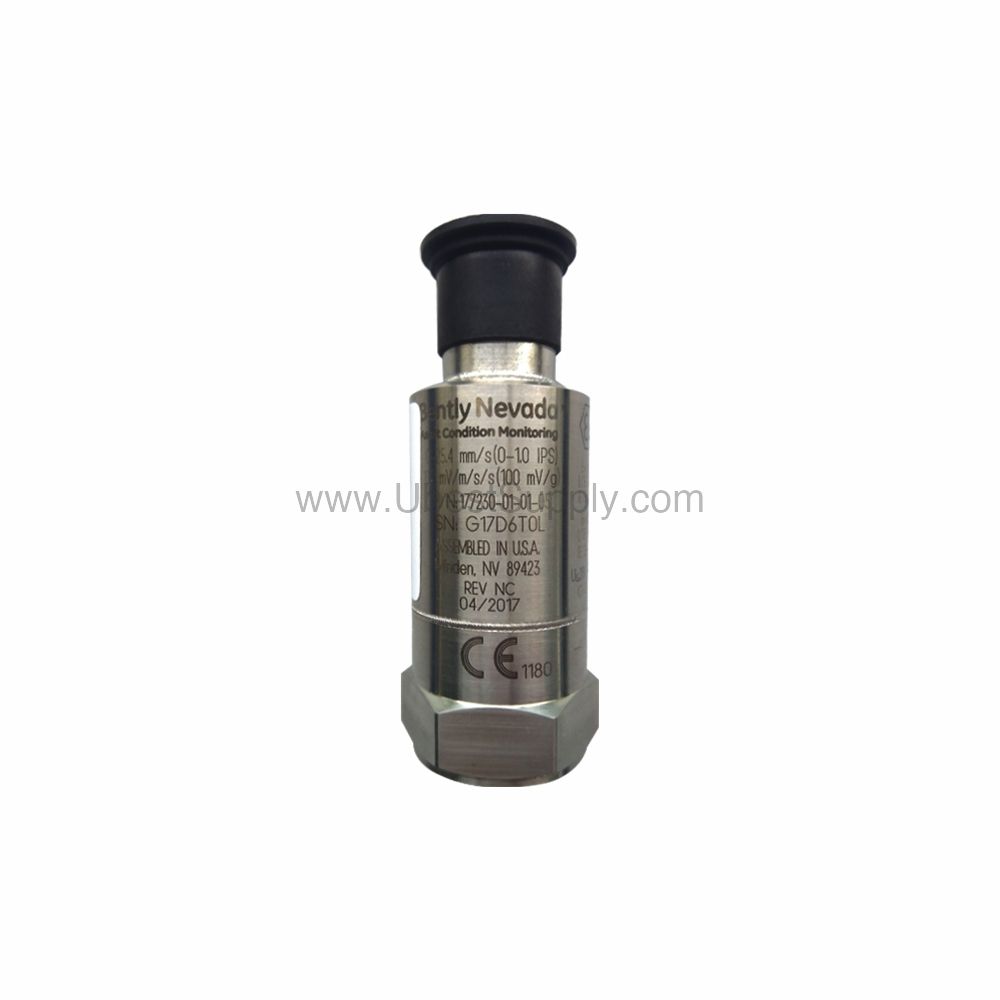
The 177230-01-01-CN is engineered for accuracy and durability. Its key specifications include:
One distinctive feature is the hermetically sealed sensor, which ensures reliable performance even in harsh environments. This makes the transmitter ideal for applications where moisture or dust could compromise lesser units.
In rotating machinery monitoring, the 177230-01-01-CN excels at providing real-time vibration data. For example, in a paper mill, continuous monitoring of dryer rolls can prevent bearing failures. Similarly, in a chemical plant, the transmitter helps track pump vibration to schedule maintenance proactively. Because it outputs a standard 4-20 mA signal, it easily connects to existing control systems, reducing integration effort.
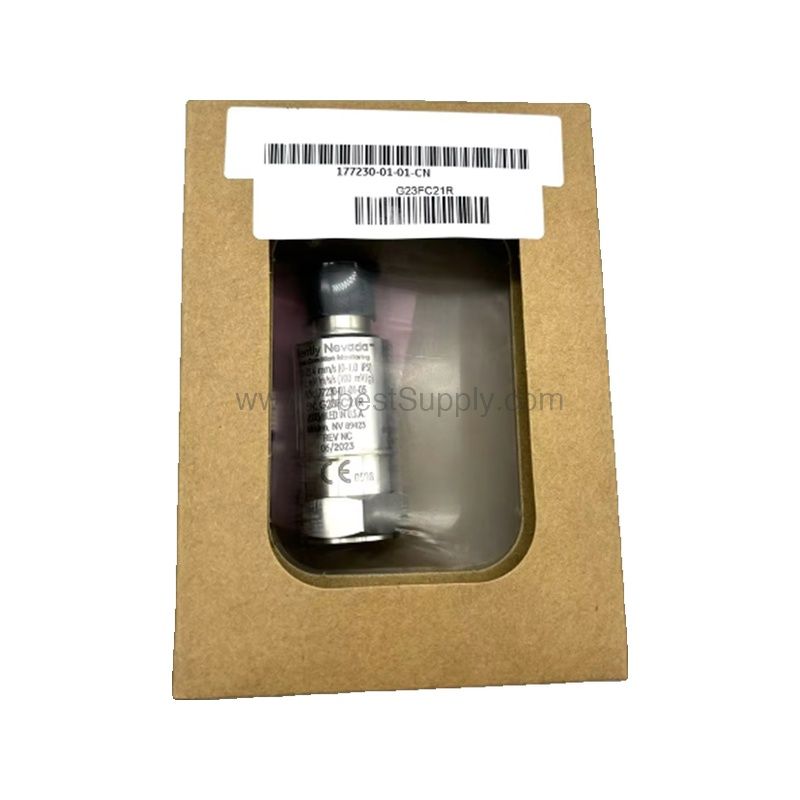
Proper installation is critical for accurate readings. The transmitter mounts via a 1/4-28 UNF hole or M6 x 1 SI / M8 x 1.25 SI threads. Recommended mounting torque is 4 to 7 N-m (35.4 to 62.0 in-lbf). Ensure the mounting surface is clean and flat to avoid distortion. Wiring follows the connector convention: Pin A for 4-20 mA positive loop, Pin B for loop return, and Pin C for dynamic acceleration signal. Always refer to the official manual for detailed wiring diagrams.
Routine inspection of the transmitter and its connections helps maintain accuracy. Because the unit is hermetically sealed, it resists moisture ingress, reducing maintenance frequency. The 316L stainless steel case withstands corrosive environments, extending service life. For best results, verify the output signal periodically against a known vibration source.
The 177230-01-01-CN is designed for use with PLCs, DCS, and SCADA systems that have internal power supplies typically current-limited to 30-35 mA. Its 4-20 mA output is universally accepted, making integration straightforward. The dynamic acceleration signal on Pin C provides additional diagnostic capability for advanced monitoring.
If the output signal is erratic, check the excitation voltage and loop resistance. Ensure the transmitter is mounted securely and not subject to excessive transverse vibration. If readings drift, verify the sensor is within its operating temperature range. For persistent issues, consult the Bently Nevada documentation or contact Petro Auto Tech for support.
A: The measurement range is 0 – 25.4 mm/s (0 – 1.0 in/s) RMS.
A: It provides a 4-20 mA current loop signal proportional to RMS vibration levels.
A: The operating temperature range is -40°C to +85°C (-40°F to +185°F).
A: Yes, it is rated for relative humidity up to 100% non-submerged.
A: The excitation voltage is 12 to 30 Vdc, with current limited to 40 mA.
The 177230-01-01-CN is available through Petro Auto Tech. Contact our team for current pricing and lead times. We are ready to assist with your vibration monitoring needs.
| Part Number | 177230-01-01-CN |
| Condition | In Stock |
| Stock Status | In Stock (Ready to Ship) |
| Weight | 0.5 kg |
| Warranty | 12 Month |
Shipping Port: Xiamen
We ship worldwide via DHL, FedEx, UPS, TNT, and EMS. In-stock items are dispatched within 24 hours of payment confirmation. Tracking number will be provided after shipment.
Secure payment processing. Contact us for corporate account and bulk order pricing.
All products come with a 1-year warranty against manufacturing defects. We guarantee 100% new and original products sourced directly from authorized manufacturers.
In Stock  In Stock
  In Stock
  In Stock
  In Stock
  In Stock
  In Stock
  In Stock
 Stay informed with the latest industry insights, product announcements, and technical articles.