 In Stock
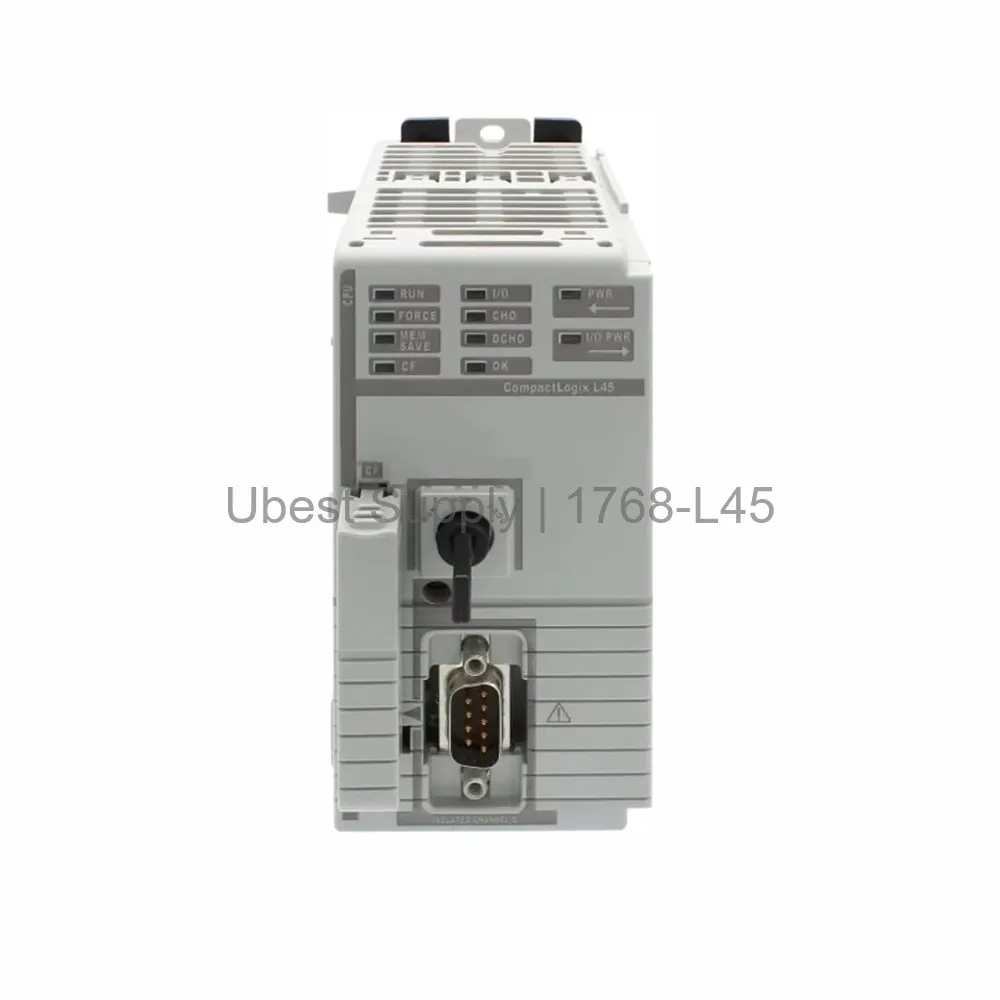
 Allen-Bradley 1768-L45 CompactLogix Controller 3MB Memory
1768-L45
The 1768-L45 CompactLogix controller from Allen-Bradley offers 3MB memory, RS232 communication, and...

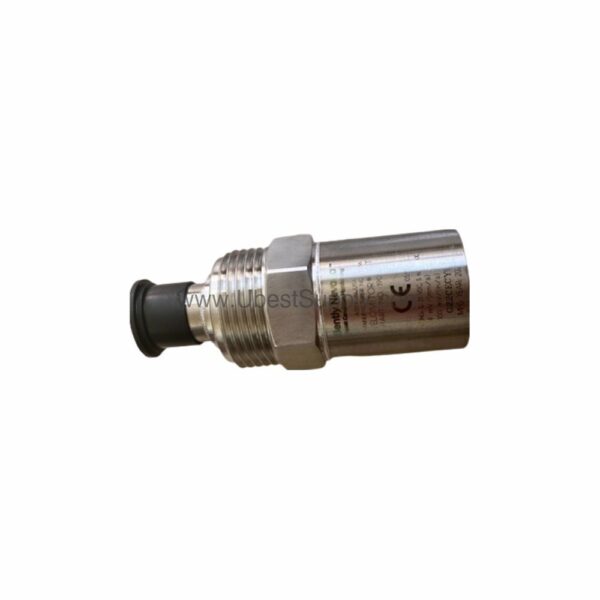
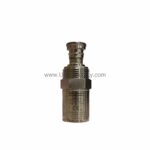
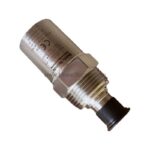
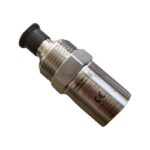
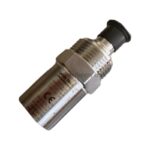
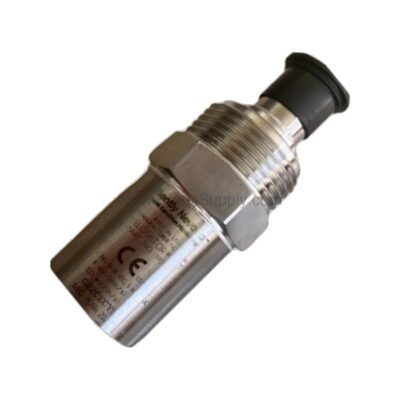
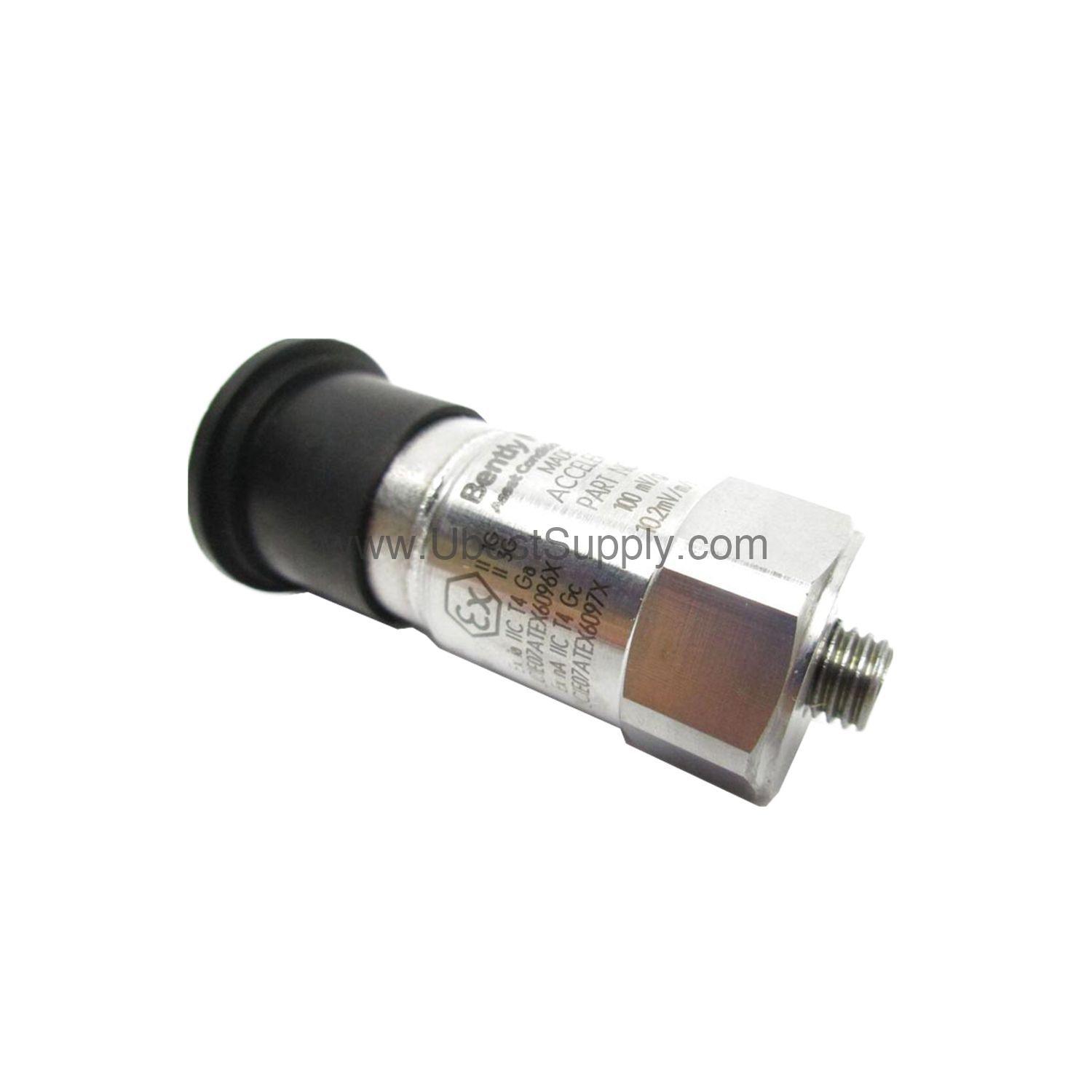
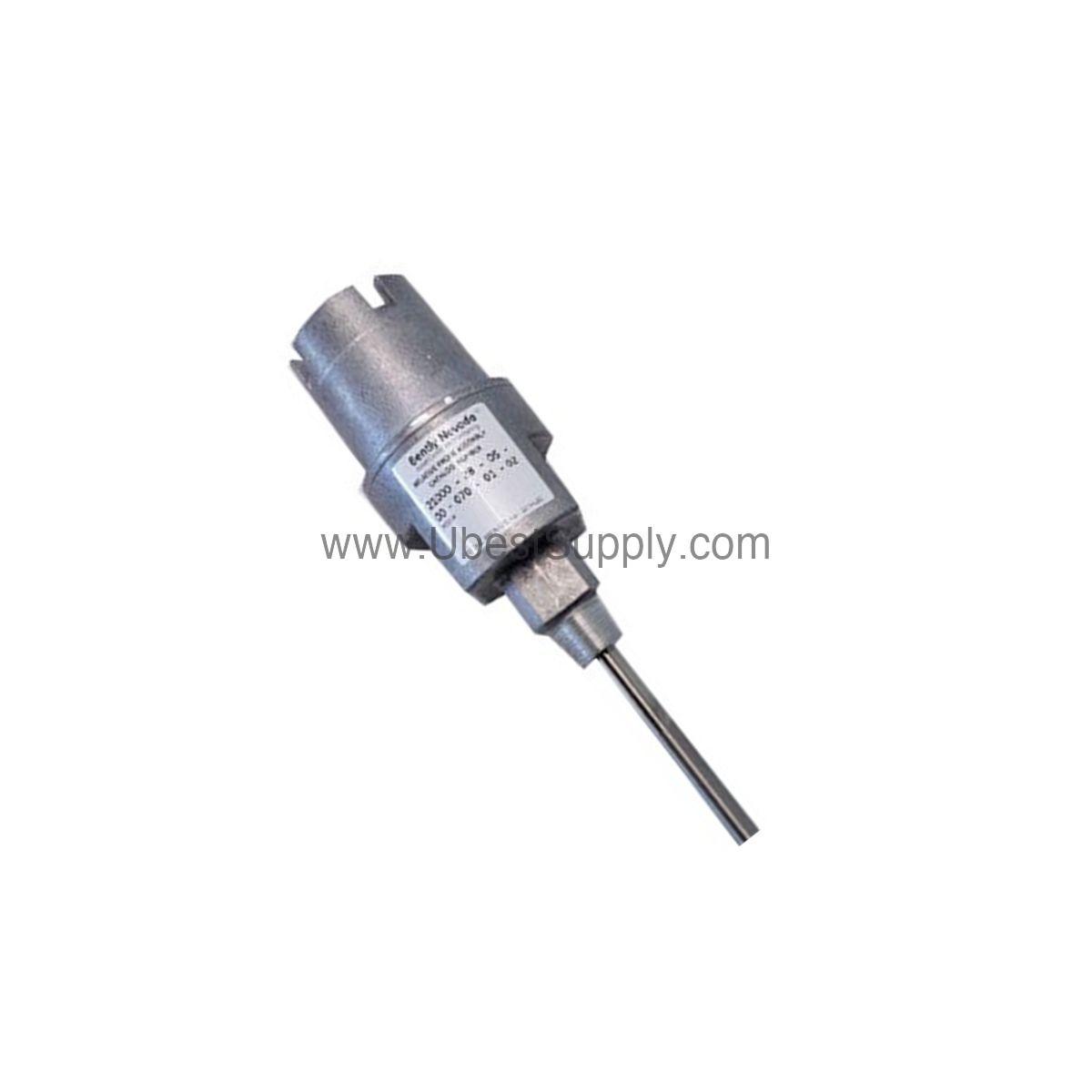
When machine vibration threatens uptime, the 190501-09-00-CN from Bently Nevada provides the accurate data you need. This Velomitor CT velocity transducer is engineered for industrial rotating equipment. It converts mechanical velocity into an electrical signal. That signal helps you detect imbalance, misalignment, and bearing wear early. Early detection means you can plan maintenance instead of reacting to failures. This proactive approach reduces costly downtime and extends equipment life.
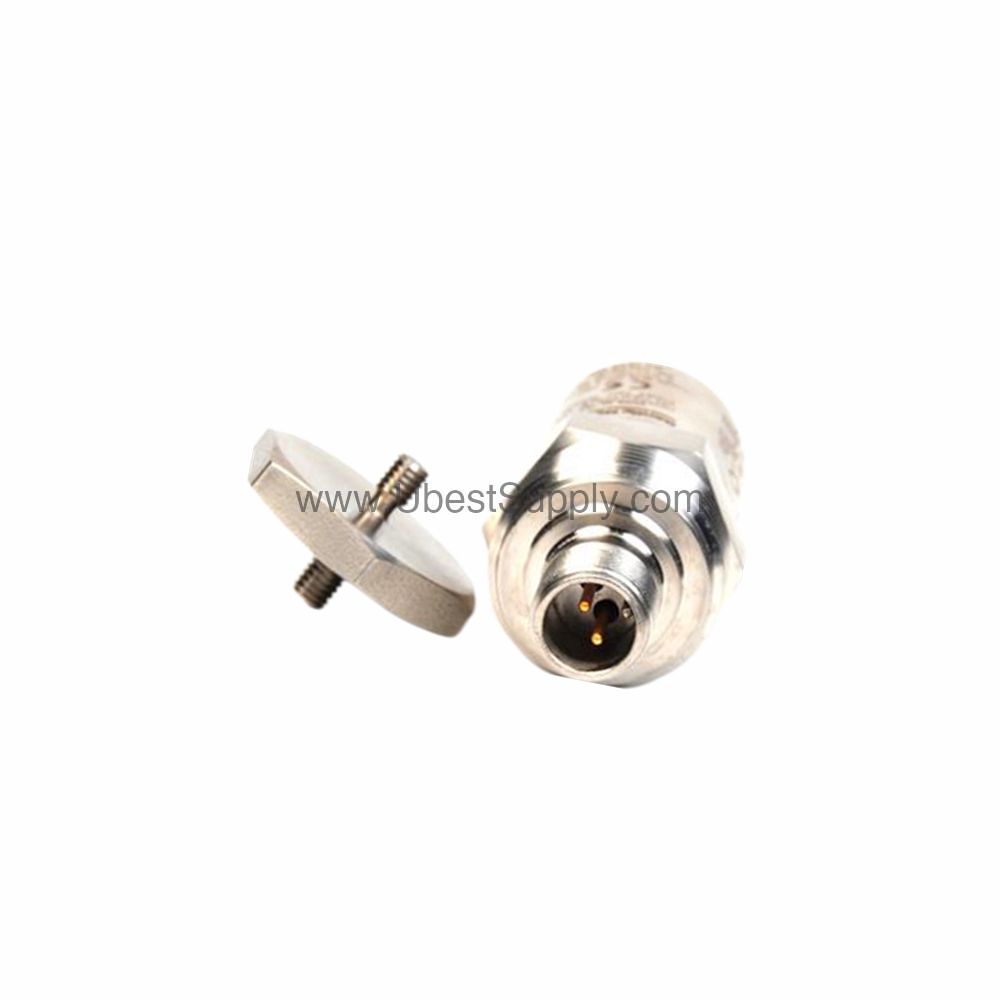
One standout spec is the mounted resonant frequency of 9 kHz minimum. This high resonance avoids interference from machine vibration, giving you a clean signal across the operating band. That clarity means fewer false alarms and more accurate diagnostics. In cost terms, that translates to less wasted time investigating spurious readings and more confidence in your maintenance decisions.
The 190501-09-00-CN is ideal for monitoring fans, pumps, motors, and gearboxes. It works well in harsh environments thanks to its 316L stainless steel case and wide temperature range. For example, in a paper mill, the transducer can track roll vibrations. That data helps you spot bearing wear before it causes a catastrophic failure. Because it is a velocity transducer, it directly measures the vibration velocity that correlates with machine stress. This makes it easier to set alarm limits based on industry standards. Ultimately, you get a reliable picture of machine health without complex integration.
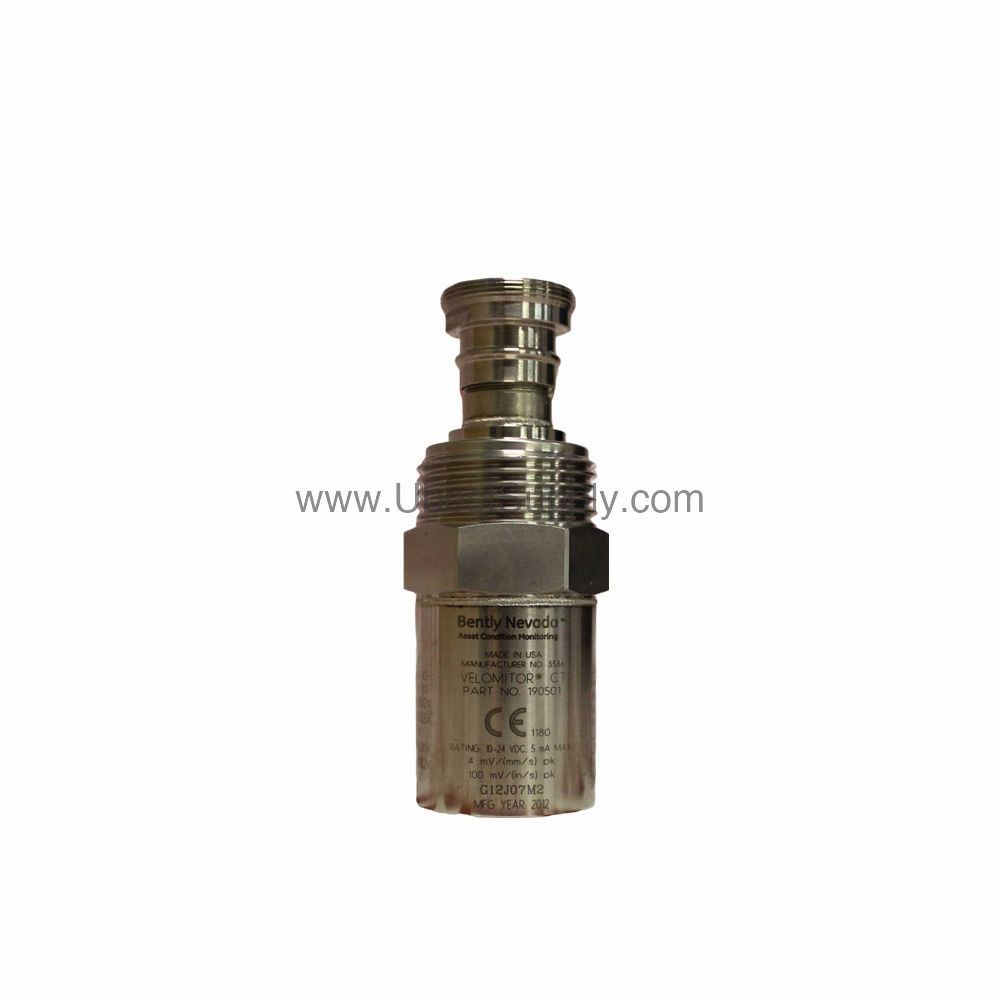
Mounting the 190501-09-00-CN is straightforward. The plate stud option (3/8-in 24 to 1/4-in NPT) provides a secure mount. Use the specified mounting torque of 4.5 N-m ± 0.6 N-m (40 in–lbf ± 5 in-lbf). The transducer can be mounted at any angle, giving you flexibility in tight spaces. The MIL-C-5015 connection interface ensures a robust electrical connection. For best results, follow the manufacturer's installation drawing. Proper mounting directly affects measurement accuracy, so take the time to do it right.
Because the 190501-09-00-CN has no moving parts, it requires minimal maintenance. The internal electronics are isolated from the case, which reduces ground loop issues. The 316L stainless steel case resists corrosion, even in condensing humidity. You should periodically inspect the mounting and cable for wear. Verify that the output bias voltage stays within spec. A simple check of the signal with a portable data collector can confirm the transducer is working. This low-maintenance design lowers your total cost of ownership compared to other sensor types.
The transducer's 10.1 Vdc bias output is compatible with most Bently Nevada monitors. It can also feed into third-party data acquisition systems that accept velocity signals. The maximum cable length of 305 metres (1,000 ft.) allows you to place the transducer far from the monitoring equipment. This flexibility simplifies installation in large plants. For specific compatibility, consult the Bently Nevada documentation or contact Petro Auto Tech.
If you see no signal, check the cable connection and the bias voltage. A bias voltage outside 10.1 Vdc ± 1.0 Vdc indicates a problem. If the signal is noisy, verify that the mounting is tight and the cable is not routed near power lines. The transducer's internal isolation helps reduce ground loops, but proper wiring is still essential. For persistent issues, refer to the official Bently Nevada manual or contact Petro Auto Tech for technical support.
A: The sensitivity is 3.94 mV/mm/s (100 mV/in/s) ±5%.
A: You can use up to 305 metres (1,000 ft.) of cable (part number 02173006) without signal degradation.
A: The operating temperature range is -40°C to +85°C (-40°F to +185°F).
A: The agency approval option for this part is CN Country Specific. Other options (01 through 04) offer intrinsic safety ratings, but this specific version does not include them.
The 190501-09-00-CN is available from Petro Auto Tech. We stock this transducer and can ship it promptly. For more details or to place an order, contact our team. We are here to help you keep your machinery running smoothly.
| Part Number | 190501-09-00-CN |
| Condition | In Stock |
| Stock Status | In Stock (Ready to Ship) |
| Weight | 0.5 kg |
| Warranty | 12 Month |
Shipping Port: Xiamen
We ship worldwide via DHL, FedEx, UPS, TNT, and EMS. In-stock items are dispatched within 24 hours of payment confirmation. Tracking number will be provided after shipment.
Secure payment processing. Contact us for corporate account and bulk order pricing.
All products come with a 1-year warranty against manufacturing defects. We guarantee 100% new and original products sourced directly from authorized manufacturers.
In Stock  In Stock
  In Stock
  In Stock
  In Stock
  In Stock
  In Stock
  In Stock
 Stay informed with the latest industry insights, product announcements, and technical articles.