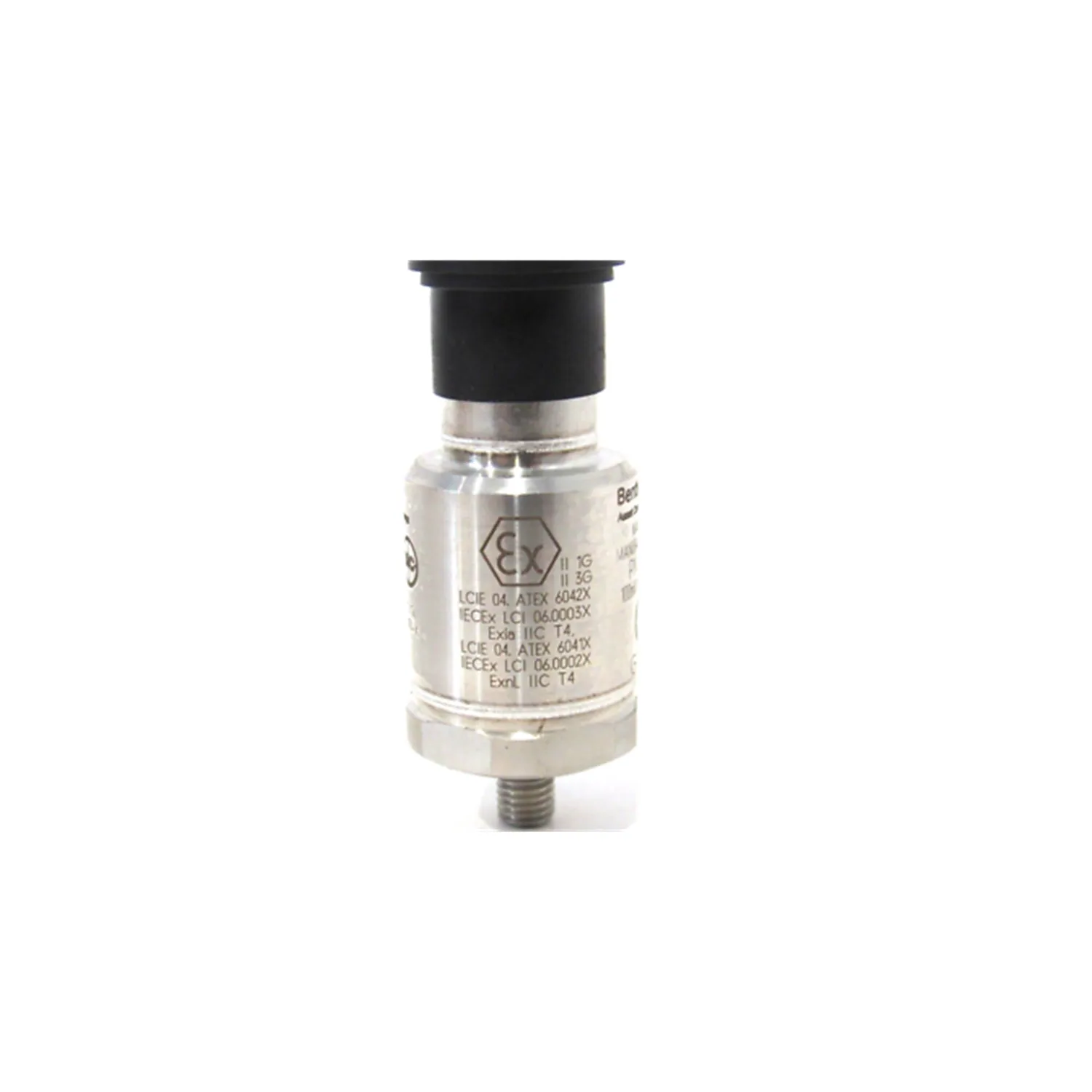
 In Stock
 330400-01-00 Bently Nevada: Procurement Guide
330400-01-00
Learn key procurement strategies for the 330400-01-00 Bently Nevada vibration probe. This...

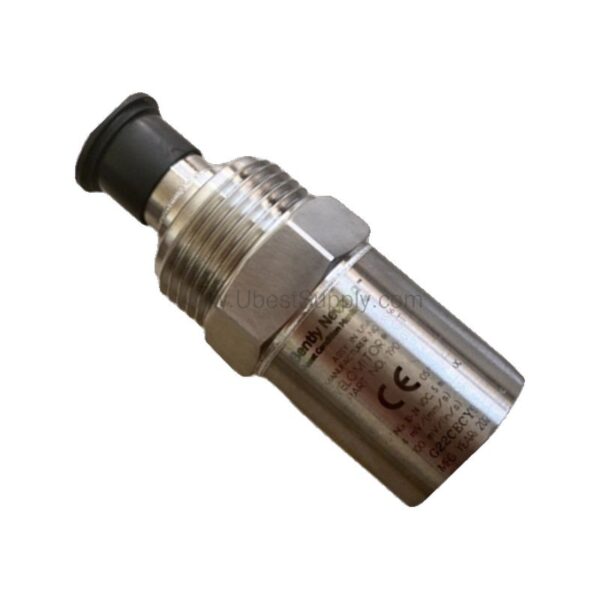
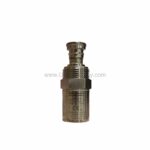
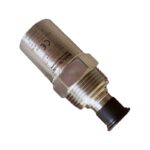
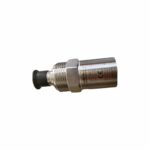
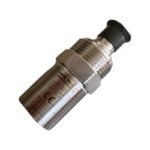
When machinery vibration threatens uptime, the 190501-00-00-04 from Bently Nevada provides the precise measurement you need. This Velomitor CT velocity transducer is engineered for continuous monitoring in demanding industrial environments. With a sensitivity of 3.94 mV/mm/s (100 mV/in/s) ±5%, it converts mechanical velocity into a clear electrical signal. Consequently, maintenance teams can detect developing faults early and schedule repairs proactively.
Part of the trusted Velomitor CT series, this transducer is built for reliability. It features a 316L stainless steel case and a 2-pin MIL-C-5015 connection interface. Moreover, the unit is made in the U.S.A., ensuring high manufacturing standards. For engineers seeking dependable vibration data, the 190501-00-00-04 offers a robust solution.
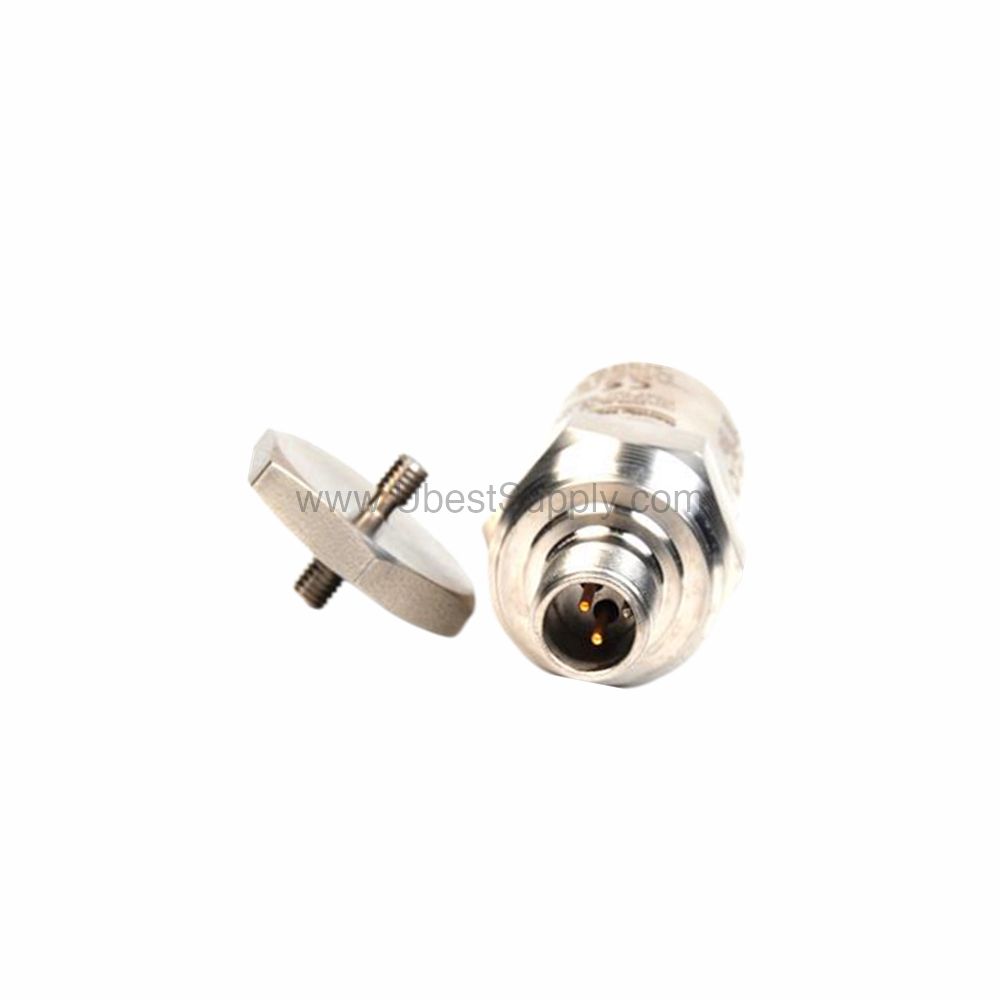
The 190501-00-00-04 is packed with features that support accurate and consistent performance. Below are the core specifications extracted from the official datasheet:
One distinctive feature is the internal electronics isolation from the case. This design minimizes ground loop interference, which is critical for signal integrity. As a result, you get cleaner data even in electrically noisy environments.
The 190501-00-00-04 is ideal for vibration monitoring on rotating machinery such as pumps, motors, fans, and compressors. Its frequency response covers a wide range, making it suitable for both low-speed and high-speed equipment. For example, in a petrochemical plant, this transducer can be mounted on a critical pump to monitor bearing wear. Because it is CSA/NRTL/C certified for Class I, Division 1 and ATEX/IECEx/CSA for Class I, Zone 0/1, it can be used in hazardous areas. Therefore, it is a versatile choice for industries like oil and gas, power generation, and manufacturing.
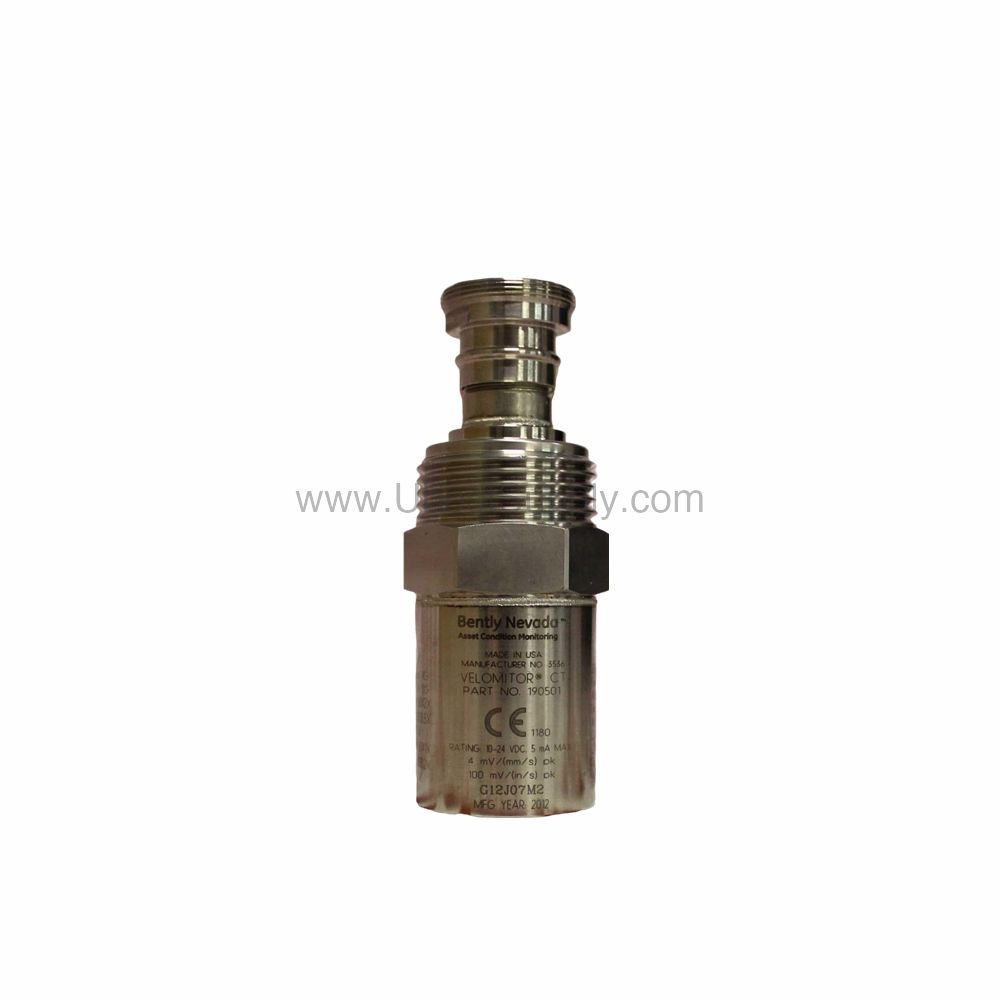
Proper installation is essential for accurate readings. The 190501-00-00-04 has a mounting surface of 33 mm diameter and a height of 82 mm. It can be mounted in any orientation, offering flexibility. The recommended mounting torque is 4.5 N-m ± 0.6 N-m (40 in-lbf ± 5 in-lbf). Ensure the mounting surface is clean and flat to achieve optimal coupling. Additionally, the unit comes with a no stud mounting hardware option, so you may need to provide your own stud or adhesive mount. Always follow the manufacturer's installation drawing 167536 for hazardous area installations.
Routine maintenance of the 190501-00-00-04 is straightforward. Because the transducer has no moving parts, it requires minimal upkeep. However, periodic inspection is recommended to ensure the mounting remains secure and the cable is not damaged. The unit is designed to withstand harsh conditions, including 100% condensing humidity and temperatures up to +85°C. Its 316L stainless steel case resists corrosion, extending service life. By incorporating this transducer into your predictive maintenance program, you can reduce unplanned downtime and lower overall maintenance costs.
The 190501-00-00-04 is compatible with Bently Nevada monitoring systems that accept velocity transducer inputs. It uses a standard 2-pin MIL-C-5015 connector, which is common in industrial settings. The maximum cable length is 305 meters (1,000 ft) using part number 02173006, allowing flexible installation distances. For new installations, ensure your monitoring system supports the output bias voltage of 10.1 Vdc. This transducer is a drop-in replacement for many existing Velomitor installations.
If you encounter erratic readings, first check the cable connections. Loose or corroded connectors can cause signal loss. Also, verify that the mounting torque is correct; an overtightened or loose mount can affect frequency response. If the output bias voltage is outside the specified range, the transducer may need replacement. Always consult the official Bently Nevada documentation for detailed troubleshooting steps. For further assistance, contact Petro Auto Tech.
The sensitivity is 3.94 mV/mm/s (100 mV/in/s) ±5%.
The operating temperature range is -40°C to +85°C (-40°F to +185°F).
Yes, it has ATEX/IECEx/CSA (Class I, Zone 0/1) and CSA/NRTL/C (Class I, Division 1) approvals.
The maximum cable length is 305 meters (1,000 ft) with part number 02173006.
The 190501-00-00-04 is available through Petro Auto Tech. We stock this transducer and can ship promptly. For technical support or to verify lifecycle status, contact our team. We are committed to helping you maintain reliable operations.
| Part Number | 190501-00-00-04 |
| Condition | In Stock |
| Stock Status | In Stock (Ready to Ship) |
| Weight | 0.5 kg |
| Warranty | 12 Month |
Shipping Port: Xiamen
We ship worldwide via DHL, FedEx, UPS, TNT, and EMS. In-stock items are dispatched within 24 hours of payment confirmation. Tracking number will be provided after shipment.
Secure payment processing. Contact us for corporate account and bulk order pricing.
All products come with a 1-year warranty against manufacturing defects. We guarantee 100% new and original products sourced directly from authorized manufacturers.
In Stock 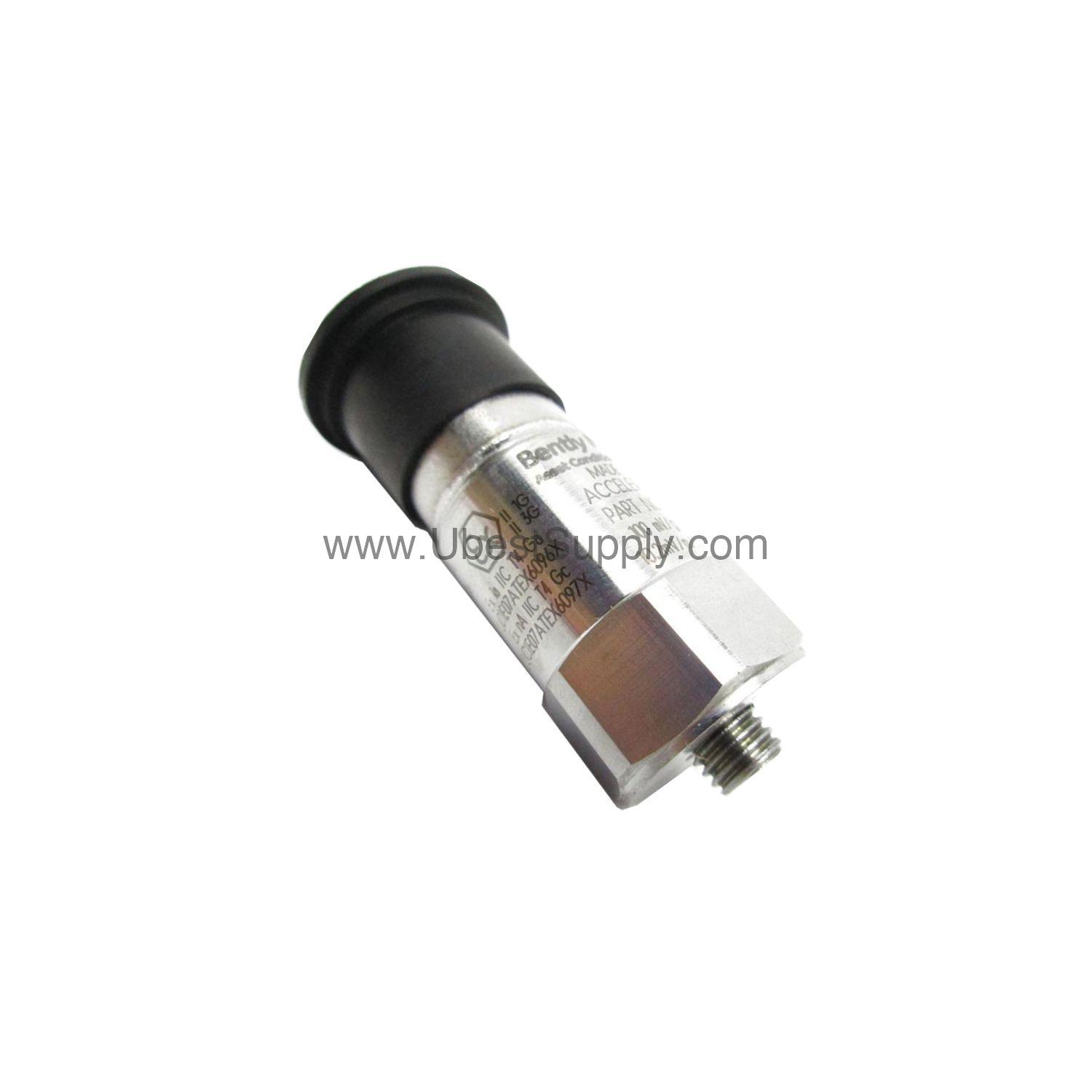 In Stock
  In Stock
  In Stock
  In Stock
  In Stock
  In Stock
  In Stock
 Stay informed with the latest industry insights, product announcements, and technical articles.