 In Stock
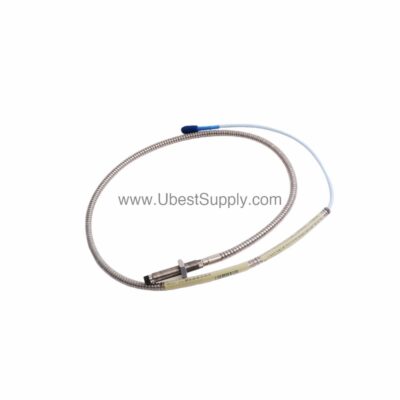
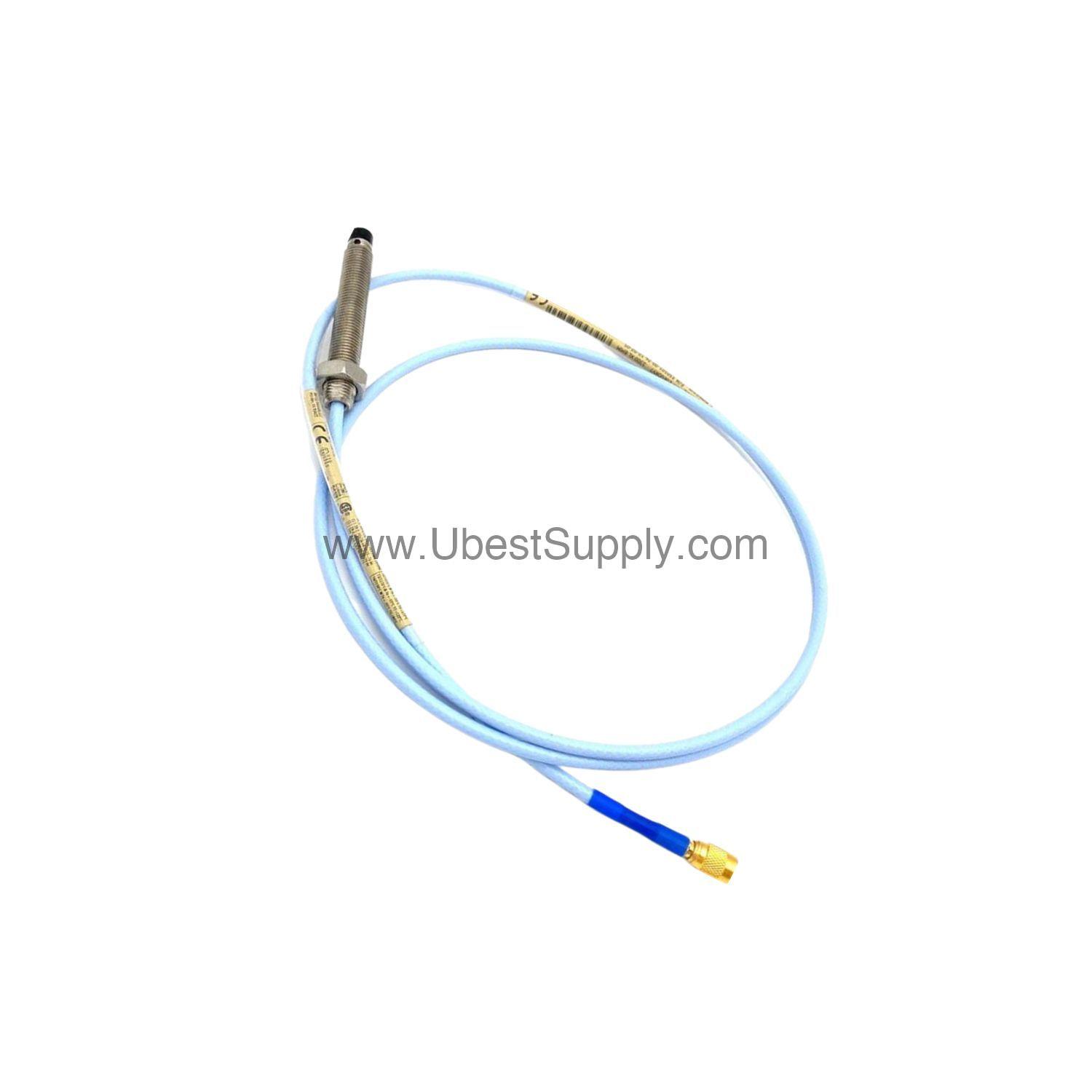
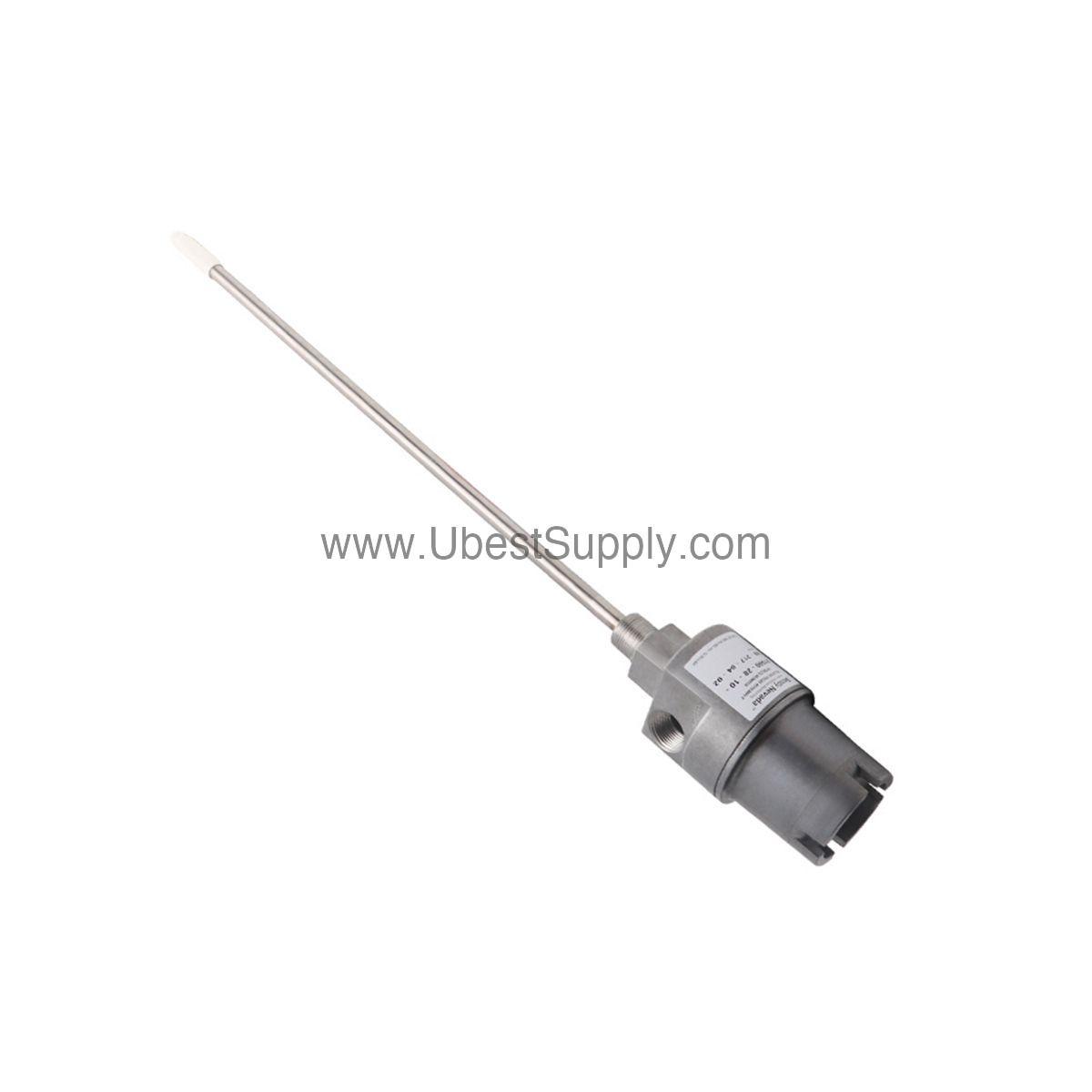
 30104-00-09-10-02-00 | Bently Nevada 3300 XL 8 mm Proximity Probe
30104-00-09-10-02-00
The Bently Nevada 30104-00-09-10-02-00 3300 XL 8 mm proximity probe delivers reliable...

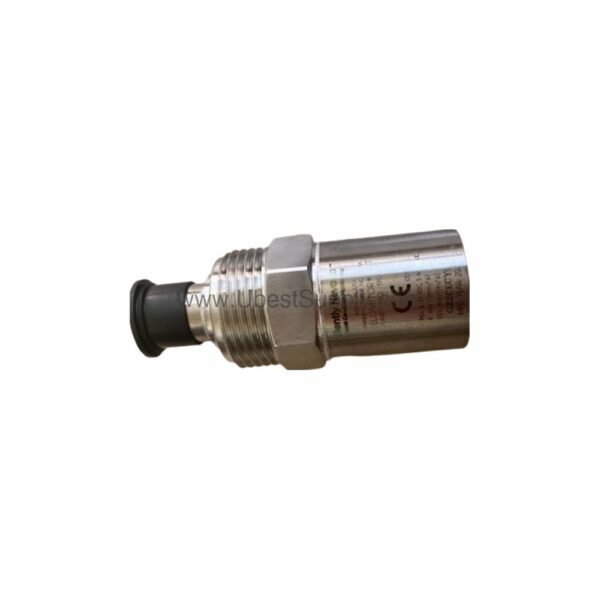
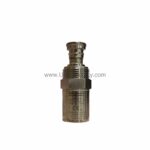
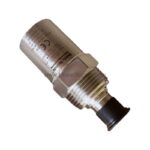
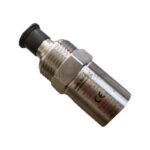
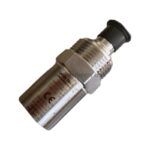
When rotating machinery must run without unexpected downtime, accurate vibration measurement is essential. The 190501-11-00-04 from Bently Nevada is a Velomitor CT velocity transducer engineered to capture velocity signals with precision. This sensor helps maintenance teams detect early signs of mechanical wear, misalignment, or imbalance before they escalate into costly failures.
With a sensitivity of 3.94 mV/mm/s (100 mV/in/s) ±5%, the transducer converts mechanical velocity into a proportional electrical signal. This consistent output simplifies integration with monitoring systems, allowing engineers to trend vibration data over time and set meaningful alarm thresholds.
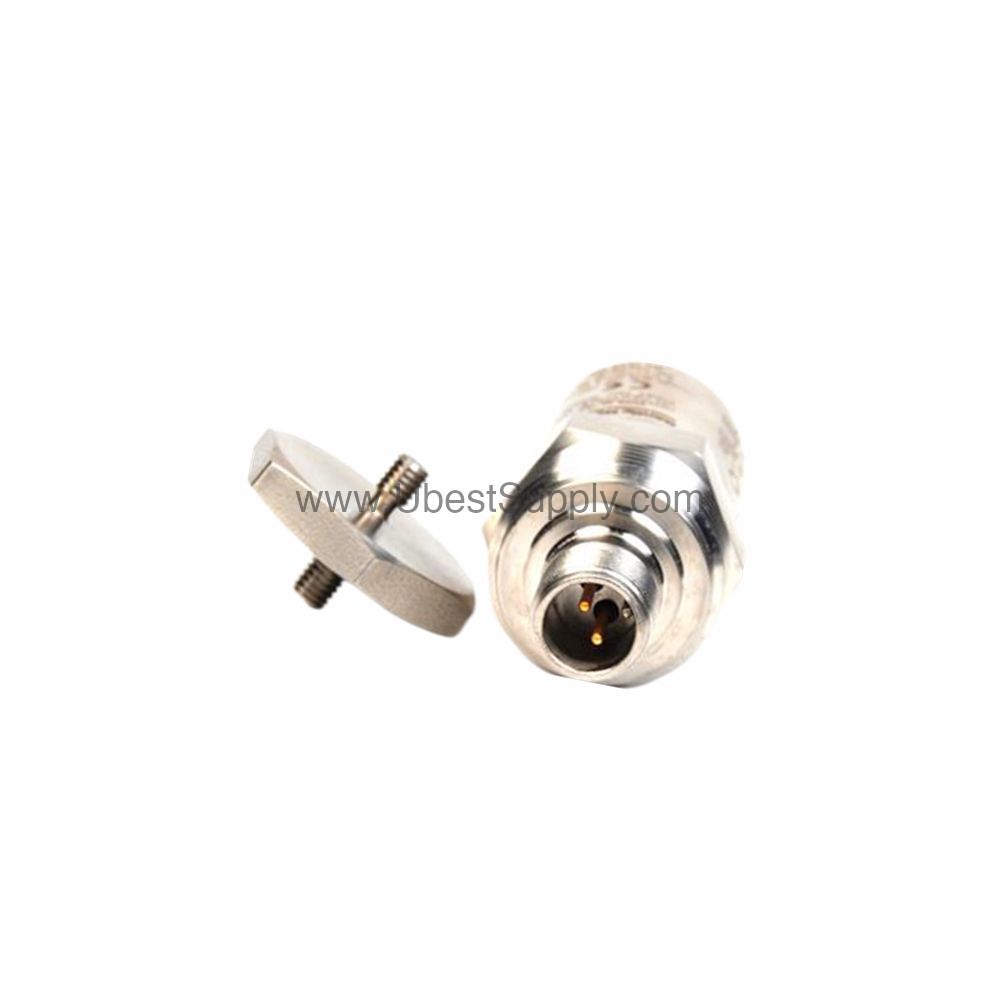
These specifications show a transducer built for demanding industrial environments. The 316L stainless steel case resists corrosion, while the sealed connector protects against moisture. The wide temperature range ensures stable operation in both hot and cold climates.
In industries such as power generation, oil and gas, and manufacturing, the 190501-11-00-04 is often installed on pumps, fans, compressors, and motors. Because it measures absolute velocity, it is well suited for machinery where casing vibration is a key indicator of health. The transducer's low base strain sensitivity means it can be mounted on surfaces that may experience slight deformation without affecting the reading.
For example, on a large cooling fan, the sensor can detect unbalance or bearing wear early. This allows maintenance teams to schedule repairs during planned outages, avoiding unplanned shutdowns. Similarly, on a centrifugal pump, the transducer helps monitor vibration levels that could indicate cavitation or misalignment.
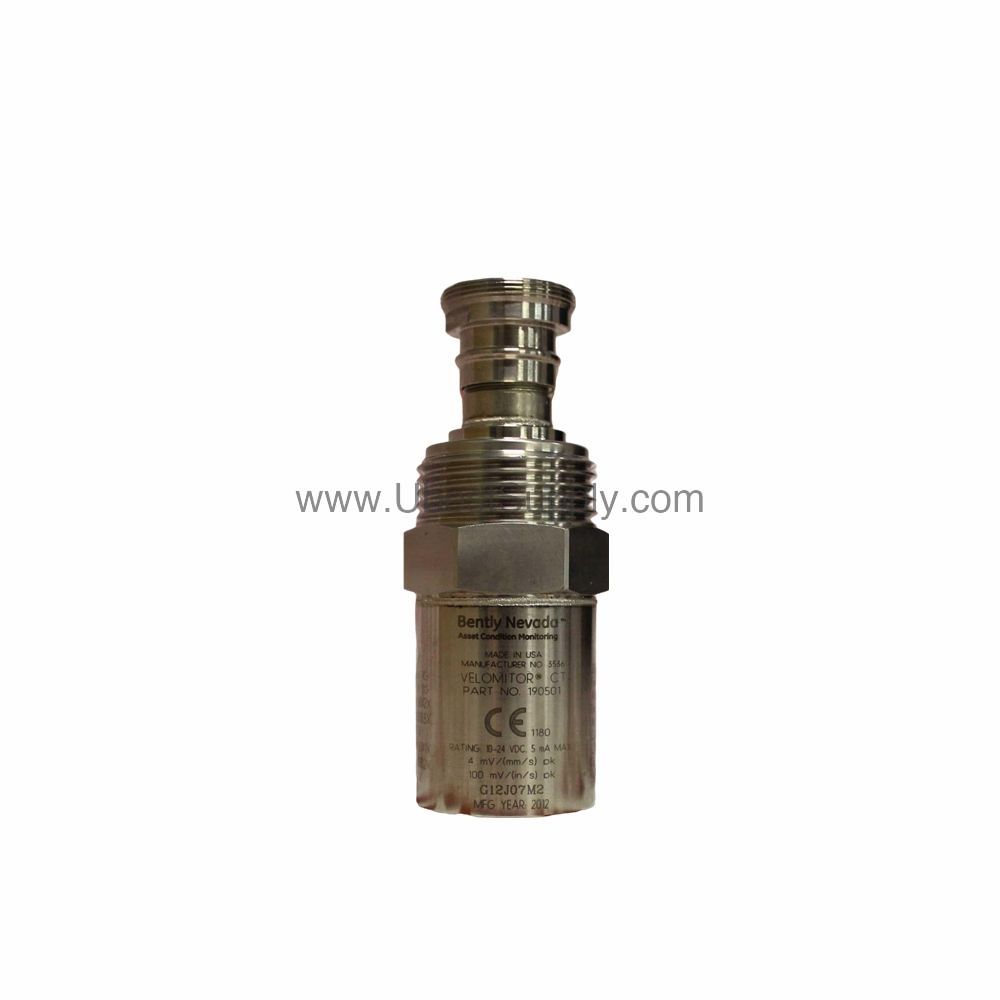
Proper installation is critical for accurate vibration data. The 190501-11-00-04 comes with a plate stud mounting option (3/8-in 24 to 1/4-in 28). Use the specified mounting torque of 4.5 N-m ± 0.6 N-m (40 in–lbf ± 5 in-lbf) to secure the transducer. Over-tightening can stress the case, while under-tightening may cause resonance.
The transducer can be mounted in any orientation, offering flexibility for tight spaces. The MIL-C-5015 connection interface provides a rugged, reliable electrical connection. Ensure the mating connector is clean and properly seated to avoid signal loss.
For best results, mount the transducer on a flat, machined surface. The mounting surface diameter is 33 mm (1.3 in). Clean the area before installation to remove any debris that could affect the contact.
Because the 190501-11-00-04 has no moving parts, it requires minimal maintenance. However, periodic inspection is still recommended. Check the mounting stud for tightness and inspect the connector for signs of corrosion or damage. The 316L stainless steel case is highly resistant to corrosion, but in aggressive chemical environments, regular visual checks are prudent.
The transducer's internal electronics are isolated from the case, which helps prevent ground loops. This isolation also enhances signal integrity over long cable runs. With a maximum cable length of 305 metres (1,000 ft.), you can place the monitoring system away from the machine without signal degradation.
The 190501-11-00-04 is designed to work with Bently Nevada monitoring systems and other vibration monitoring equipment that accept velocity transducer inputs. The output bias voltage of 10.1 Vdc and dynamic output impedance of <400 Ω make it compatible with many standard data acquisition systems. Always verify compatibility with your specific monitor before installation.
A: The sensitivity is 3.94 mV/mm/s (100 mV/in/s) ±5%.
A: The transducer operates from -40°C to +85°C (-40°F to +185°F).
A: The maximum cable length is 305 metres (1,000 ft.) using cable part number 02173006.
A: The recommended mounting torque is 4.5 N-m ± 0.6 N-m (40 in–lbf ± 5 in-lbf).
A: Yes, the agency approval option 04 includes CSA/NRTL/C (Class I, Division 1) and ATEX/IECEx/CSA (Class I, Zone 0/1) certifications.
The 190501-11-00-04 is available through Petro Auto Tech. Contact our team for current pricing and lead times. We are ready to help you source this reliable vibration transducer for your maintenance needs.
| Part Number | 190501-11-00-04 |
| Condition | In Stock |
| Stock Status | In Stock (Ready to Ship) |
| Weight | 0.5 kg |
| Warranty | 12 Month |
Shipping Port: Xiamen
We ship worldwide via DHL, FedEx, UPS, TNT, and EMS. In-stock items are dispatched within 24 hours of payment confirmation. Tracking number will be provided after shipment.
Secure payment processing. Contact us for corporate account and bulk order pricing.
All products come with a 1-year warranty against manufacturing defects. We guarantee 100% new and original products sourced directly from authorized manufacturers.
In Stock  In Stock
  In Stock
  In Stock
  In Stock
  In Stock
  In Stock
  In Stock
 Stay informed with the latest industry insights, product announcements, and technical articles.