
Product Summary
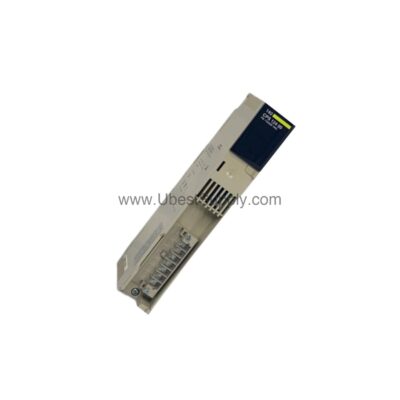
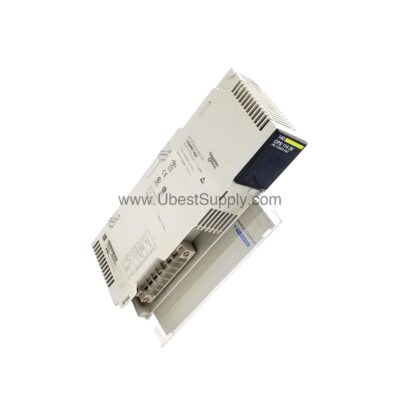
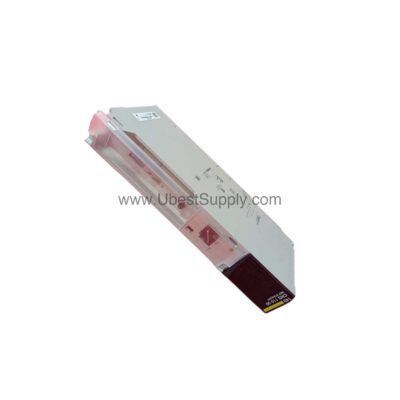
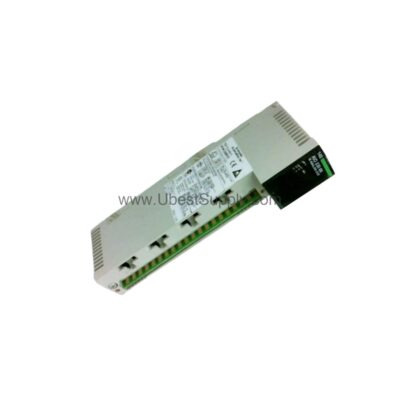
The Allen-Bradley 1771-CFM is a specialized I/O module for PLC-5 systems. This device accurately calculates flow and shaft speed from turbine meters, magnetic pickups, or TTL pulse sources. It simplifies programming and conserves PLC memory effectively. The module supports a 100 kHz maximum input frequency for high-speed applications.
Theme Option A: Product Procurement & Buyer Guide
This guide helps you align the 1771-CFM with your automation needs. As a direct replacement for 1771-QRC and 1771-QRD modules, this unit requires zero ladder logic changes. This fact means you can upgrade your system without costly reprogramming. It serves industries like power generation, oil, gas, and food production. The module fits perfectly into any fleet management strategy for these sectors.
Technical Selection for Flow Applications
The 1771-CFM accepts four digital inputs from magnetic or proximity pickups. These inputs handle signals from 50 mV to 200 V AC peak. It also works with TTL-compatible signals from 4 to 40 V DC. This wide voltage range ensures compatibility with Bently 3300 proximity probes. You can use it for almost any turbine or flow metering application. This flexibility reduces the need for multiple different modules in your rack.

Output Configuration and Control
The module controls four digital outputs that the user supplies with 5 to 40 V DC. These outputs trigger based on values received from the input channels. You can manage up to four separate control loops or alarms. This capability provides direct and fast response to flow changes. It eliminates the need for a separate output interface module.
Operational Modes for Flexibility
Choose from four distinct modes to match your process requirements perfectly. The non-resettable totalizer mode tracks cumulative flow over time. The resettable totalizer mode is ideal for batch processing operations. The high-resolution frequency mode provides precise speed measurement for critical assets. The direction sensor mode helps monitor rotating machinery direction changes.
Theme Option F: Deep-Dive Technical FAQ
What is the maximum count range for the totalizer?

The 1771-CFM supports a programmable range from 0 to 9,999,999 counts. This high capacity suits long-term flow monitoring without resetting. You can easily scale this value in your PLC logic. It ensures you capture data across extended production runs.
What wiring arm is required for installation?
This module requires the 1771-WN wiring arm for connecting field devices. It occupies only one slot in the PLC-5 chassis. The module dimensions are 3.5 x 6.5 x 2.0 inches (89 x 165 x 51 mm). Proper wiring ensures signal integrity for high-frequency inputs.
How does the module handle diagnostic data?
The 1771-CFM sends diagnostic information to the PLC processor in words. Programmers can access this data in a configuration block. This feature allows you to monitor module health and signal quality. It helps technicians quickly identify wiring or sensor issues. The diagnostic data improves overall mean time to repair.
What is the module scan time for processing?
The scan time ranges from 1.3 to 5 milliseconds per module. This fast response ensures accurate and timely flow data. The processing time for maximum counts is 5.5 milliseconds. This speed is critical for high-speed turbine metering applications.
What are the environmental operating limits?
Operate the 1771-CFM at temperatures from 0 to 60 °C (32 to 140 °F). It stores safely between -40 to 185 °F (-40 to 85 °C). The module features a conformal coating for protection against moisture. Power dissipation ranges from 2 to 13 Watts under normal load.
Logistics & Standard Packaging Details
Express delivery shipping is available via FedEx, UPS, and DHL for rapid fulfillment.