 In Stock
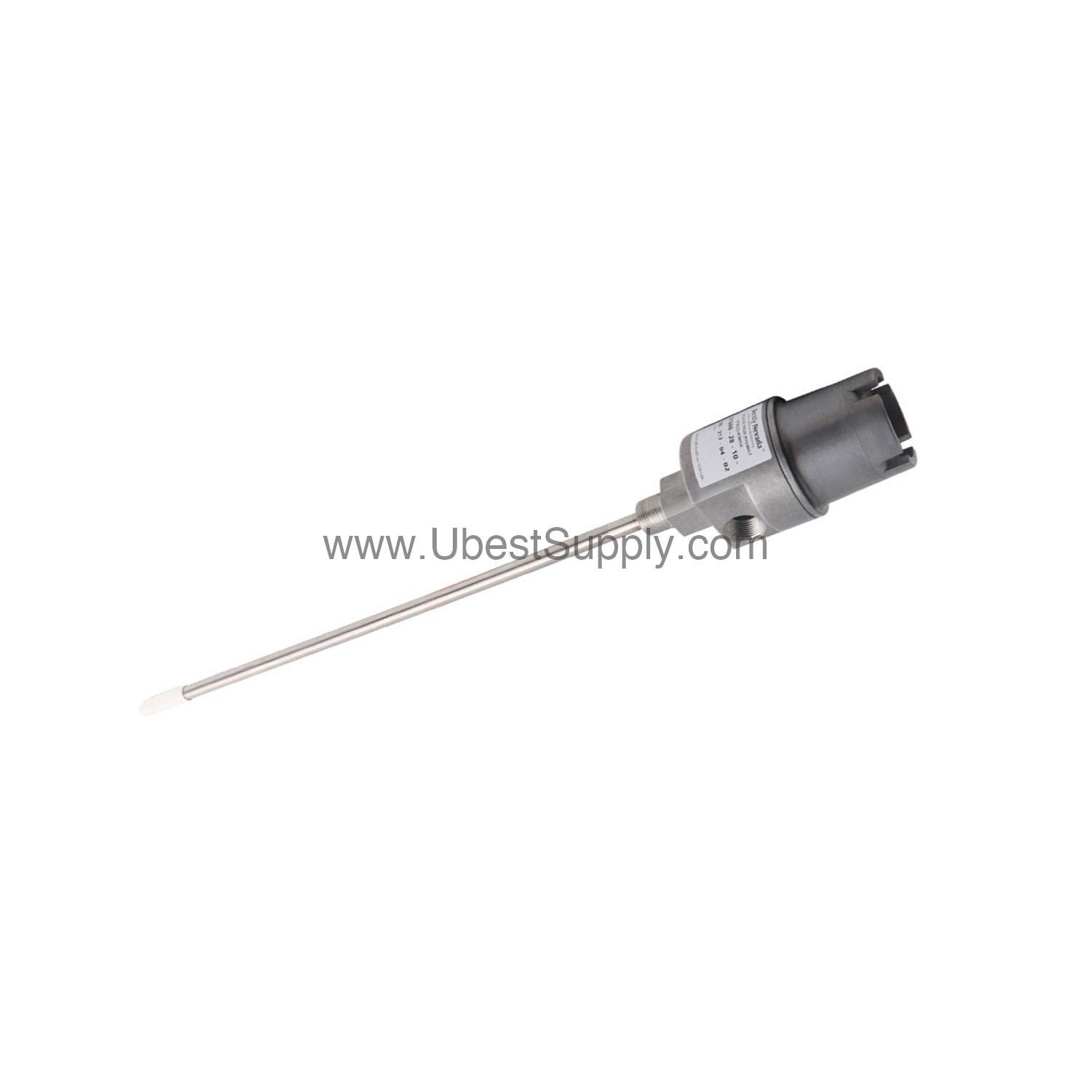
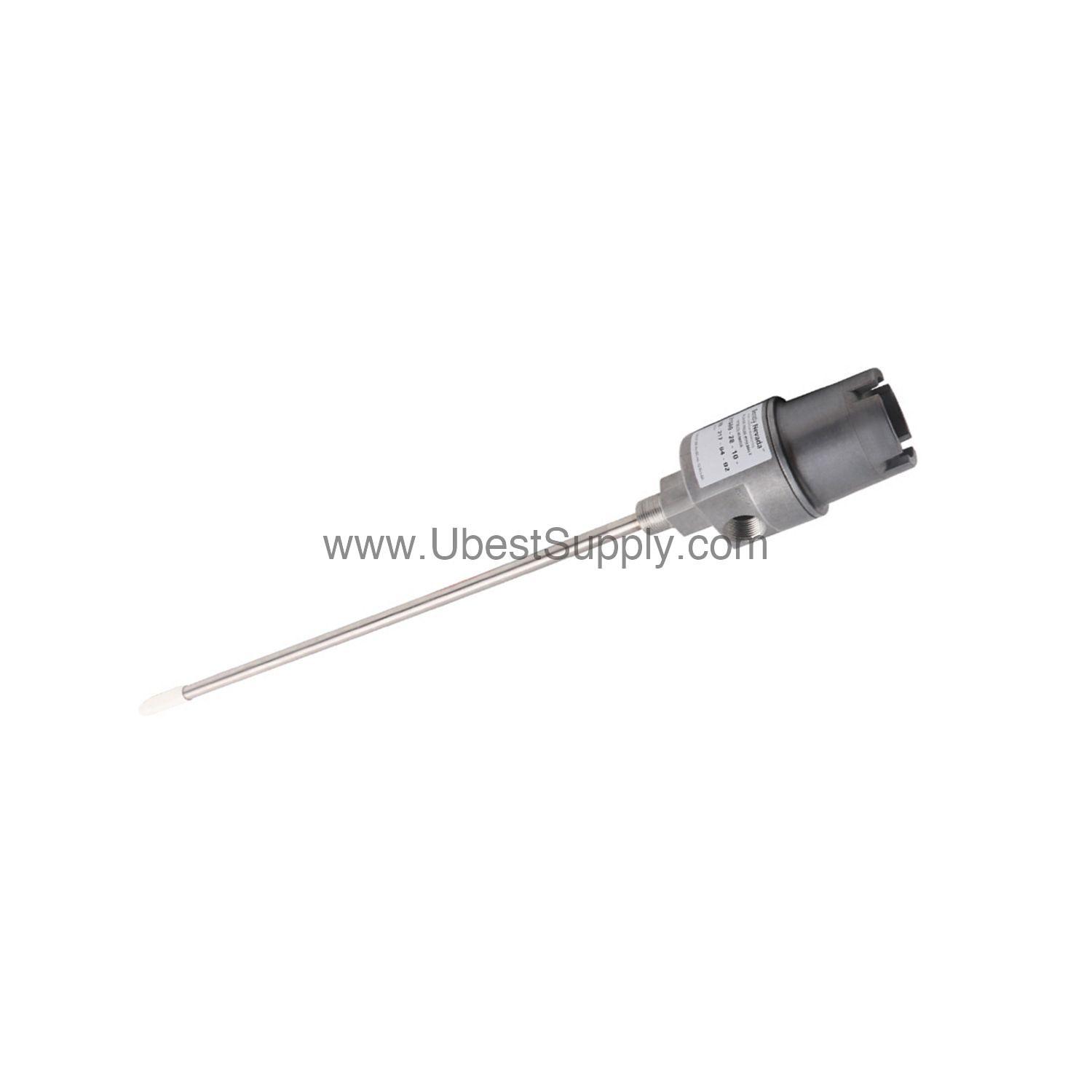
 21000-34-10-00-018-03-02 | Bently Nevada 8 mm Proximity Probe Housing Assembly
21000-34-10-00-018-03-02
The 21000-34-10-00-018-03-02 Bently Nevada proximity probe housing assembly offers a 1.8 in...

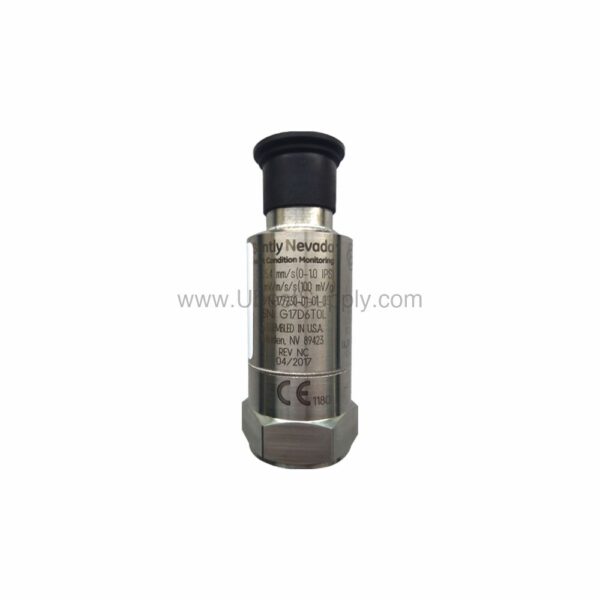
When rotating machinery vibrates unexpectedly, unplanned downtime can disrupt production and inflate maintenance costs. The 177230-00-02-05 from Bently Nevada addresses this pain point by converting vibration into a standard 4-20 mA signal. This makes it straightforward to integrate with existing PLC, DCS, or SCADA systems. Consequently, engineers can monitor equipment health in real time without complex retrofits.
This seismic transmitter is built for harsh industrial environments. Its 316L stainless steel case and hermetically sealed sensor withstand demanding conditions. Therefore, it delivers reliable performance where vibration monitoring matters most.
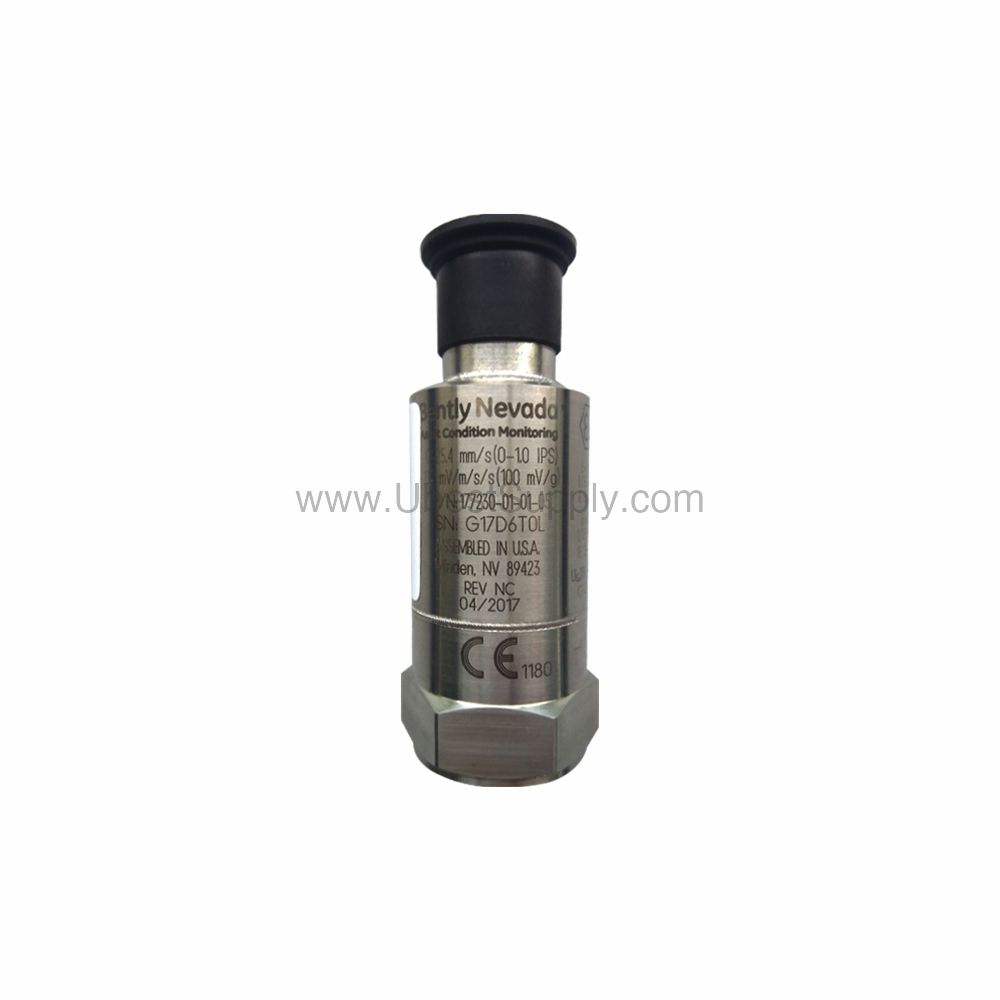
The 177230-00-02-05 offers a set of specifications that support accurate and dependable operation:
One distinctive spec is the mounted resonant frequency greater than 12 kHz. This high resonant frequency minimizes the risk of structural resonance affecting measurements. As a result, the transmitter provides more accurate vibration data across its operating range.
The 177230-00-02-05 is suitable for monitoring vibration on pumps, fans, motors, and other rotating equipment. In manufacturing plants, it helps detect imbalance, misalignment, or bearing wear early. Therefore, maintenance teams can schedule repairs before catastrophic failure occurs. Additionally, in continuous process industries, the 4-20 mA output integrates directly with control systems. This enables automated alarming and shutdown routines. Ultimately, this transmitter supports predictive maintenance strategies that reduce downtime and extend asset life.
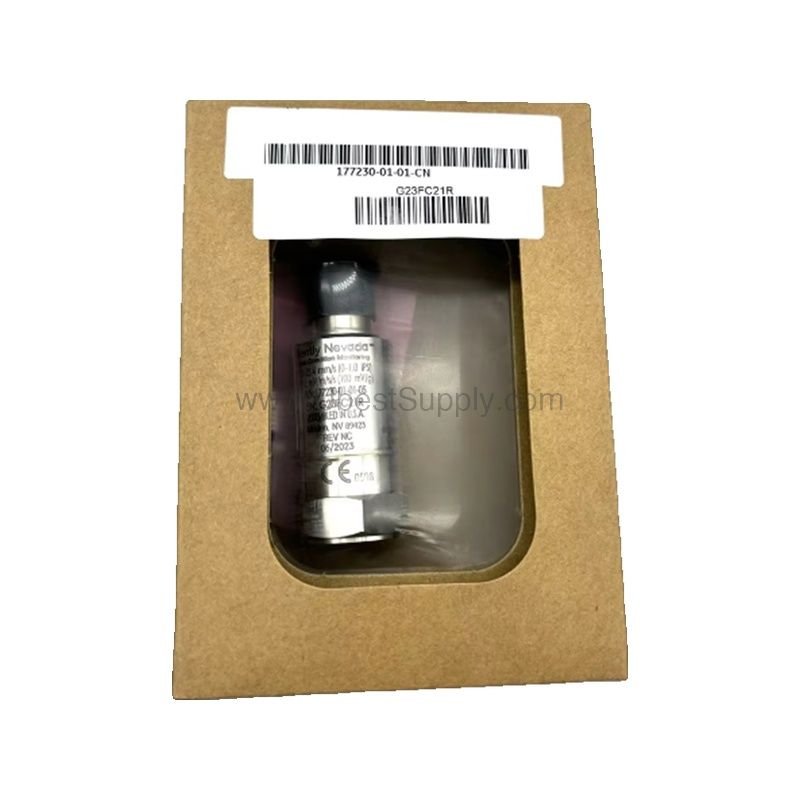
Proper installation is critical for accurate vibration measurement. The 177230-00-02-05 features a 1/4-28 UNF mounting hole, and mounting torque should be 4 to 7 N-m (35.4 to 62.0 in-lbf). Use a flat, machined surface for mounting to ensure good coupling. The sensor is hermetically sealed, so no special handling is required. However, avoid submerging the transmitter in liquid. For wiring, connect Pin A to the positive loop and Pin B to the loop return. Pin C provides a dynamic acceleration signal, which is unbuffered and referenced to Pin B. Always verify the power supply is current-limited to 40 mA or less.
Routine inspection of the 177230-00-02-05 is straightforward. Check the mounting integrity periodically to ensure the sensor remains tightly attached. Inspect the connector for corrosion or damage, especially in humid environments. Because the unit is hermetically sealed, internal components are protected from moisture. This design reduces the need for frequent recalibration. Consequently, the transmitter offers long-term reliability with minimal upkeep. For detailed maintenance procedures, refer to the manufacturer's manual.
The 177230-00-02-05 is designed for use with PLCs, DCS, and SCADA systems that have internal power supplies typically current-limited to 30-35 mA. Its 4-20 mA output is a universal analog signal, making it compatible with most industrial control systems. The dynamic acceleration signal on Pin C can be used for additional analysis if the system supports it. No special communication protocol is required, simplifying integration.
If the output signal is not within expected range, first verify the excitation voltage is between 12 and 30 Vdc. Check the loop wiring for continuity and correct polarity. If the signal is noisy, ensure the sensor is properly grounded and the cable is shielded. For a zero reading, confirm that the vibration level is below the threshold of 4 mA output. If problems persist, consult the official Bently Nevada documentation or contact Petro Auto Tech for technical support.
A: The measurement range is 0 to 12.7 mm/s (0 to 0.5 in/s) peak vibration.
A: It provides a 4-20 mA current loop signal proportional to peak vibration levels.
A: The operating temperature range is -40°C to +85°C (-40°F to +185°F).
A: Yes, it can operate in relative humidity up to 100% non-submerged.
A: The transmitter has a 1/4-28 UNF mounting hole and can also be mounted with M6 x 1 SI or M8 x 1.25 SI threads.
The 177230-00-02-05 is available through Petro Auto Tech. We stock this item and can ship it promptly to support your maintenance needs. Contact our team for current pricing and lead times.
| Part Number | 177230-00-02-05 |
| Condition | In Stock |
| Stock Status | In Stock (Ready to Ship) |
| Weight | 0.5 kg |
| Warranty | 12 Month |
Shipping Port: Xiamen
We ship worldwide via DHL, FedEx, UPS, TNT, and EMS. In-stock items are dispatched within 24 hours of payment confirmation. Tracking number will be provided after shipment.
Secure payment processing. Contact us for corporate account and bulk order pricing.
All products come with a 1-year warranty against manufacturing defects. We guarantee 100% new and original products sourced directly from authorized manufacturers.
In Stock  In Stock
  In Stock
  In Stock
  In Stock
  In Stock
  In Stock
  In Stock
 Stay informed with the latest industry insights, product announcements, and technical articles.