Reliable Sourcing Input for SLC 500 Systems
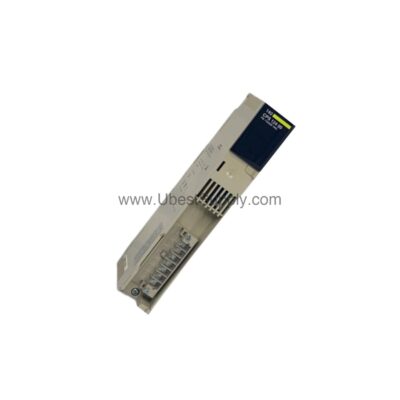
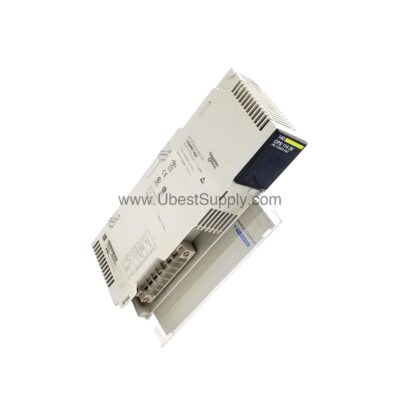
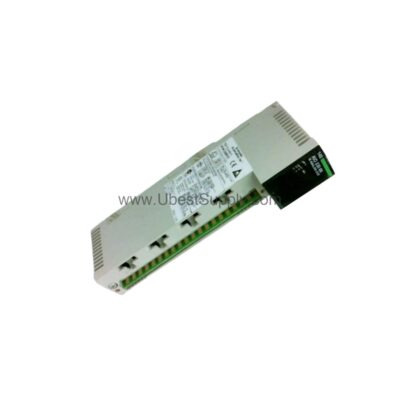
When industrial automation systems require dependable signal detection from field devices, engineers often turn to the Allen-Bradley 1746-IV8. This SLC 500 discrete input module provides eight channels of 24 Volt DC sourcing input in a single group. Petro Auto Tech now offers this module to support maintenance and upgrade projects across manufacturing facilities.
Overview of the 1746-IV8 Module
The 1746-IV8 is part of the Allen-Bradley SLC 500 series and functions as a 24VDC input module. It accepts input signals from devices such as limit switches, sensors, and auxiliary contacts. The module occupies one slot in any SLC 500 chassis and draws 50 milliamps from the backplane at 5 Volts DC.
Key Technical Specifications
The module operates with an input voltage range of 10 to 30 Volts DC. Its off-state voltage is a maximum of 5.0 Volts DC, and off-state current is limited to 1 milliamp. Signal delay for both ON and OFF transitions is 8 milliseconds. The operating temperature range spans 0 to +60 degrees Celsius, while storage temperature extends from -40 to +85 degrees Celsius.
Application Scenarios and Use Cases
In a typical packaging line, the 1746-IV8 can monitor the status of multiple sensors to coordinate conveyor movement. The module's 8-millisecond signal delay ensures rapid response to changes in input states. Another common application is in material handling systems, where the module interfaces with proximity switches to detect part presence.

Customer Case Illustration
A food processing plant needed to upgrade its legacy SLC 500 system to improve reliability. By integrating the 1746-IV8, the plant achieved consistent signal detection from 24VDC sensors without altering the existing chassis configuration. This minimized downtime and reduced the cost of a full system replacement.
Compatibility and Integration
The 1746-IV8 installs directly into any SLC 500 chassis and requires no external power supply beyond the backplane. It is compatible with all SLC 500 processors that support discrete input modules. The number of modules used depends on the host processor's I/O capacity and available slots.
Market Impact and Business Value
Using the 1746-IV8 helps facilities extend the life of their SLC 500 control systems. The module's reliable performance reduces unexpected downtime and maintenance costs. Its straightforward installation also saves engineering time during system upgrades.
Company Strength and Supply Assurance
Petro Auto Tech specializes in industrial automation parts and ensures that each 1746-IV8 module is sourced from reputable channels. Customers can rely on Petro Auto Tech for prompt delivery and product support. The company's expertise helps clients find the right components for their automation needs.

Frequently Asked Questions About the 1746-IV8
What is the input voltage range of the 1746-IV8?
The input voltage range is 10 to 30 Volts DC, as specified in the module's technical data. This allows the module to work with standard 24VDC industrial sensors.
How many channels does the 1746-IV8 have?
The module features eight input channels in a single group. Each channel accepts sourcing input signals from compatible field devices.
What is the signal delay for the 1746-IV8?
Both the ON and OFF signal delays are 8 milliseconds. This ensures fast detection of input state changes for real-time control.
Can the 1746-IV8 be used in any SLC 500 chassis?
Yes, the module occupies one slot and can be installed in any SLC 500 chassis. Power must be removed before insertion or removal to prevent electrical arcing.
Conclusion and Outlook
The Allen-Bradley 1746-IV8 remains a practical choice for SLC 500 systems requiring reliable 24VDC input capabilities. Petro Auto Tech continues to support industrial automation with this module and other legacy components. Please verify current lifecycle status and availability with Petro Auto Tech before ordering.